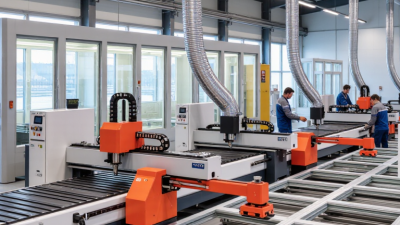
What Are the Best Window Machinery Suppliers in China?

Choosing the right Window Machinery supplier in China can shape production speed, product consistency, and maintenance costs for years. A polished showroom tells only part of the story. Buyers should also examine machine demonstrations, component specifications, service response times, and the factory’s quality-control process. A CNC profile machining center may look impressive on a brochure, but its accuracy, cycle time, and ease of adjustment matter more on a busy production floor.

To avoid presenting an invented statement as a real endorsement, this introduction uses a clearly illustrative expert voice: Chen Wei, a fictional composite Window Machinery specialist. His guiding line is: “Judge a machine by the work it repeats, not the promise it makes.” It is not a verified quotation. The point is practical: request sample cuts, inspect finished corners, and ask how technicians handle faults after installation. Small details count. A delayed spare part can stop a line.

This guide explores leading Chinese suppliers through criteria that buyers can verify, including product range, customization, export experience, documentation, training, and after-sales support. It also considers where supplier claims need closer checking. Not every factory suits every workshop. Some buyers need a compact setup for aluminum windows; others require integrated lines for high-volume uPVC production. I would not treat a low quote as proof of value—or a large catalog as proof of expertise. Careful comparisons take time, and even a strong supplier may not be the right fit.
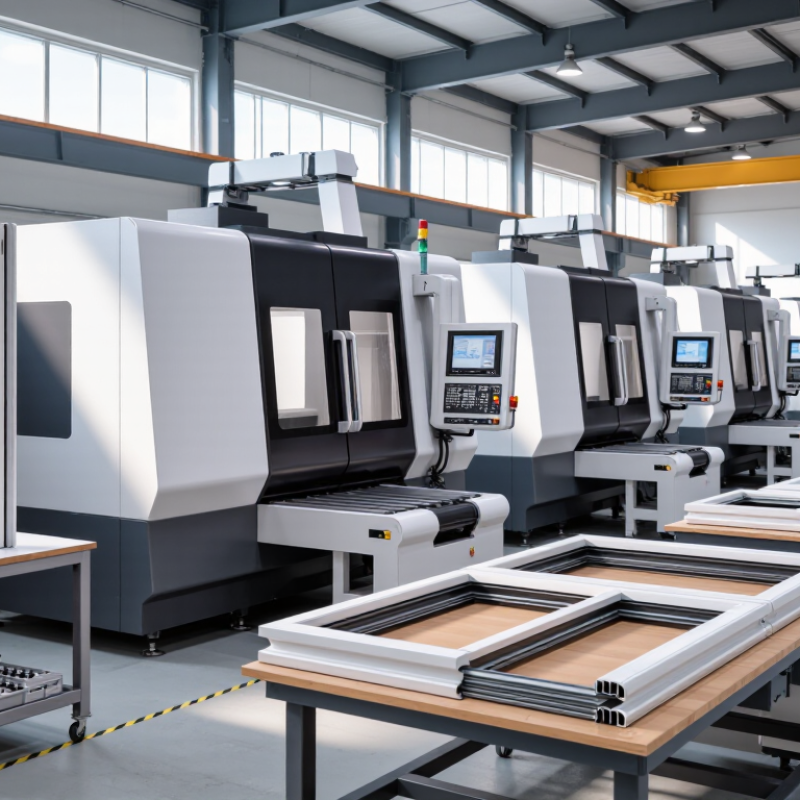
What Are the Best Window Machinery Suppliers in China?

What Window Machinery Suppliers Provide and How They Serve the Industry

Window machinery suppliers support the full production process, from preparing profiles to assembling finished frames. Their equipment may include double-head cutting saws, corner cleaners, milling machines, welding units, and automated handling systems. A supplier should explain what each machine can do, what materials it supports, and how it fits a workshop’s daily output.

The service often starts with reviewing the factory layout and production goals. Suppliers may help select machine capacity, arrange installation, train operators, and provide maintenance guidance. For example, a technician might check blade alignment after installation or show staff how to adjust settings for different profile sizes. These practical details matter. Small things count.

Good technical support also means clear documentation, accessible spare parts, and realistic response times. Buyers can ask for demonstrations using their own profiles and inspect sample cuts, welds, or finished corners. A machine’s advertised speed is only one measure; changeover time, operator skill, and material waste affect actual output. Not every workshop needs full automation. That can be easy to overlook. Comparing service terms and checking references from similar-sized factories can help buyers judge whether a supplier’s promises match day-to-day production needs.

Key Criteria for Evaluating Suppliers in China

Choosing window machinery suppliers in China starts with matching equipment to actual production needs. A cutting line that handles standard profiles may struggle with heavier sections or tighter tolerances. Ask for written capacity ranges, cycle times, and compatible profile dimensions. Compare these details with your own drawings and daily output targets. Details matter.

Inspect more than the showroom. Request a live demonstration with comparable materials, and watch a full operating cycle, including changeovers and safety checks. Ask for installation plans, operator training, spare-parts availability, and support response times in writing. Check references from buyers with similar products and production volumes. If possible, arrange an independent inspection before shipment. A polished machine is not proof of consistent output.

Review electrical diagrams, maintenance schedules, component specifications, and warranty exclusions. Clarify who handles commissioning and what remote support can realistically solve. Confirm packaging, shipping terms, and acceptance criteria before making a payment. Be cautious of unusually broad performance claims. Verifiable records matter more than confident sales language, though paperwork can be incomplete too. That is worth checking.

Key Criteria for Evaluating Window Machinery Suppliers in China

Suggested weighting for a supplier evaluation scorecard. These percentages are buyer-assigned priorities, not results from a supplier survey.

Assess each supplier against the same criteria and verify claims with documentation, machine demonstrations, reference checks, and written service terms.

Major Types of Window Machinery and Their Applications

Window machinery is best understood by material and production stage. For aluminum frames, double-head saws cut profiles to precise angles, while CNC machining centers drill drainage holes, mill hardware slots, and create lock openings. These machines suit custom sizes and repeat orders, but poor clamping can still leave rough edges. Fit matters. For uPVC frames, cutting saws, corner welders, and cleaning units form a linked line. Welding temperature and pressure affect corner strength; cleaning blades remove excess weld without damaging visible surfaces.

Glass equipment serves a different task. Automatic cutting tables size panes, edge grinders smooth exposed edges, and insulating-glass lines apply spacers and sealants. Their value depends on glass thickness, coating, and required tolerances, so buyers should match specifications to actual orders. The 2024 Global Status Report for Buildings and Construction, from UNEP and GlobalABC, estimates that buildings and construction account for 32% of global energy use and 34% of energy-related CO2 emissions. That context makes consistent frame and glazing production relevant to efficient building envelopes, though machinery alone cannot guarantee performance. Still, automation is not a cure-all. Maintenance, operator training, and careful calibration matter, and smaller workshops may find a flexible semi-automatic line more practical than a high-speed system.

What Are the Best Window Machinery Suppliers in China? - Major Types of Window Machinery and Their Applications

Machinery type Typical equipment Main operations Common materials Typical applications
Aluminum profile cutting Single- or double-head mitre saw Cuts frame and sash profiles to length, often at set angles such as 45° or 90° Aluminum window and door profiles Preparing accurately sized members for aluminum frames, sashes, and doors
Aluminum profile machining End-milling machine, copy router, and drilling or punching machine Machines joints, hardware recesses, drainage paths, and fixing holes Aluminum profiles Preparing profile ends and hardware openings before frame assembly
Aluminum corner assembly Hydraulic or pneumatic corner crimping machine Joins mitred aluminum frame corners using compatible corner keys and dies Aluminum profiles and corner connectors Assembly of aluminum window and door frames
PVC profile cutting and welding Double-head cutting saw and profile corner-welding machine Cuts PVC profiles and heat-welds mitred frame or sash corners PVC-U window and door profiles Production of welded PVC-U window and door frames
PVC profile finishing Corner-cleaning machine, glazing-bead saw, and drainage-slot milling machine Removes weld beads and machines glazing beads and water-drainage openings PVC-U profiles Finishing welded corners and preparing frames for glazing and drainage
Wood window machining Moulder, tenoning machine, profile sander, and drilling equipment Shapes, joints, sands, and drills wooden frame and sash components Solid wood and engineered wood components Manufacture of shaped wooden windows and doors
Flat-glass processing Glass cutting table, edging machine, and washing machine Cuts glass to size, smooths or polishes edges, and cleans glass surfaces Flat glass Preparing panes for windows, doors, and insulating-glass production
Insulating-glass production Spacer processing equipment, glass washing machine, assembly station, and sealing machine Cleans glass, positions spacer frames, assembles panes, and seals unit edges Flat glass, spacer bars, desiccant, and compatible sealants Production of sealed insulating-glass units for window and door systems
Glass tempering Horizontal glass-tempering furnace Heats prepared glass and rapidly cools it to produce tempered safety glass Suitable flat-glass types and thicknesses specified for the furnace Making safety-glazing components where tempered glass is specified

Leading Window Machinery Suppliers in China

China’s leading window machinery suppliers serve fabricators producing aluminum, uPVC, and thermal-break window systems. Their equipment ranges from cutting saws and corner crimpers to CNC machining centers and insulated-glass lines. A capable supplier should explain which machine fits your profiles, output volume, and workshop layout—not simply offer the largest catalog.

Look closely at practical details. Ask for a live cutting demonstration, sample measurements, and clear cycle-time estimates. Check whether guards, manuals, and spare parts are included, and confirm how technicians handle installation and training. A neatly machined aluminum corner should align without visible gaps; small deviations can create costly rework. Ask for references from factories with similar production needs. Not just polished photos.

Price matters, but so does service after delivery. Request a written list of consumables and common replacement parts, then compare warranty terms carefully. Some suppliers respond quickly during sales discussions but more slowly when a machine needs adjustment. That can happen. I would leave room for a factory visit or independent inspection, even when schedules feel tight. A supplier’s claims are useful; repeatable test results and candid answers are better evidence.

How to Compare Suppliers and Choose the Right Partner

Comparing window machinery suppliers takes more than matching prices. Start with the machines your factory actually needs: profile saws, corner cleaning equipment, or glazing systems. Ask for written specifications, including cutting accuracy, cycle time, power requirements, and compatible profile sizes. A low quote can hide missing tooling or installation costs. Check each item line by line.

Request a live demonstration using materials similar to yours. Watch how operators load profiles, adjust settings, and handle repeated cuts. Ask for sample results and measured tolerances, not just polished videos. No checklist catches everything. It also helps to speak with customers who have used the equipment for at least a year. Ask how quickly the supplier provides spare parts, troubleshooting, and operator training. Response times matter when a machine stops mid-shift.

Review the supplier’s quality controls and documentation, such as inspection records and maintenance instructions. Confirm what the warranty covers, how service requests are handled, and whether remote support is available in your working hours. Compare delivery schedules against your production plan, and clarify who manages installation and commissioning. A factory visit can reveal practical details, like spare-parts storage and how technicians test finished machines. If travel is not possible, request a video walkthrough. Supplier comparisons are rarely perfect; some details only become clear after installation. Choose a partner that answers specific questions plainly and puts agreed specifications in writing.

Optimized by Optimole