Best Aluminium Manufacturing Machines for Global Buyers?
In the ever-evolving world of manufacturing, Aluminium Manufacturing Machines have become a focal point for global buyers. According to industry expert Mark Thompson, "The right machinery can significantly enhance production efficiency and quality." With advancements in technology, manufacturers face a choice: invest in innovative solutions or risk falling behind.
Aluminium Manufacturing Machines today incorporate cutting-edge technology. Automated systems, intelligent controls, and data analytics are all vital components. Each machine can increase output while reducing waste. However, not all buyers understand these benefits. Some may undervalue the significance of selecting the right equipment, leading to inefficiencies.
The market is flooded with options, and making an informed choice is crucial. Buyers must consider factors like reliability, serviceability, and long-term costs. While it’s tempting to choose based on price, quality cannot be compromised. Investing in superior Aluminium Manufacturing Machines is not just a cost. It’s a commitment to excellence and sustainability.
Top Aluminium Manufacturing Machines: Overview and Types
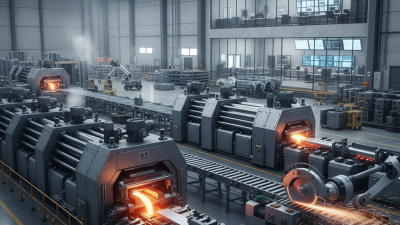
Aluminium manufacturing machines play a vital role in the production of lightweight and durable products. Various types of machines are available for different manufacturing processes. These include extrusion presses, rolling mills, and CNC machining centers. Each machine serves a distinct purpose in shaping and finishing aluminium components.
Choosing the right machine is crucial for efficiency. Consider the production scale and the specific products you want to manufacture. Smaller operations may benefit from versatile CNC machines, while larger projects often require high-capacity extrusion presses. Machine accuracy can greatly impact the quality of the final product, so always prioritize precision.
When investing in aluminium manufacturing equipment, maintenance should not be overlooked. Regular checks can prevent costly breakdowns. Also, operator training is essential to ensure safety and efficiency. Remember, proper training can reduce mistakes, improving overall productivity. Pay attention to the machine's specifications and understand what works best for your needs.
Key Features to Consider When Choosing Aluminium Manufacturing Machines
When selecting aluminium manufacturing machines, several key features demand attention. One major consideration is the machine’s capacity. It should align with your production goals. A machine that's too small may hinder your output. Conversely, an oversized machine might waste resources. This balance is crucial for efficiency.
Another essential aspect is the technology used. Modern machines often incorporate advanced systems for precision. Features such as automated controls or smart sensors enhance productivity. However, it’s vital to assess whether your team has the expertise to operate these systems effectively. Training staff can be a significant investment of time and resources.
Durability and maintenance are equally vital. Machines should withstand heavy use without frequent breakdowns. Quality materials contribute to longevity. Yet, it’s worth considering that even the best machines require regular maintenance. A reliable service schedule helps avoid costly downtime. Balancing these elements can lead to a successful manufacturing setup.
Leading Manufacturers of Aluminium Processing Equipment Worldwide
The global aluminium processing equipment market is robust and diverse. According to a recent report by Grand View Research, the industry's value is expected to reach over $155 billion by 2025. This underscores the growing demand for efficient manufacturing machines that cater to various sectors, including automotive and construction.
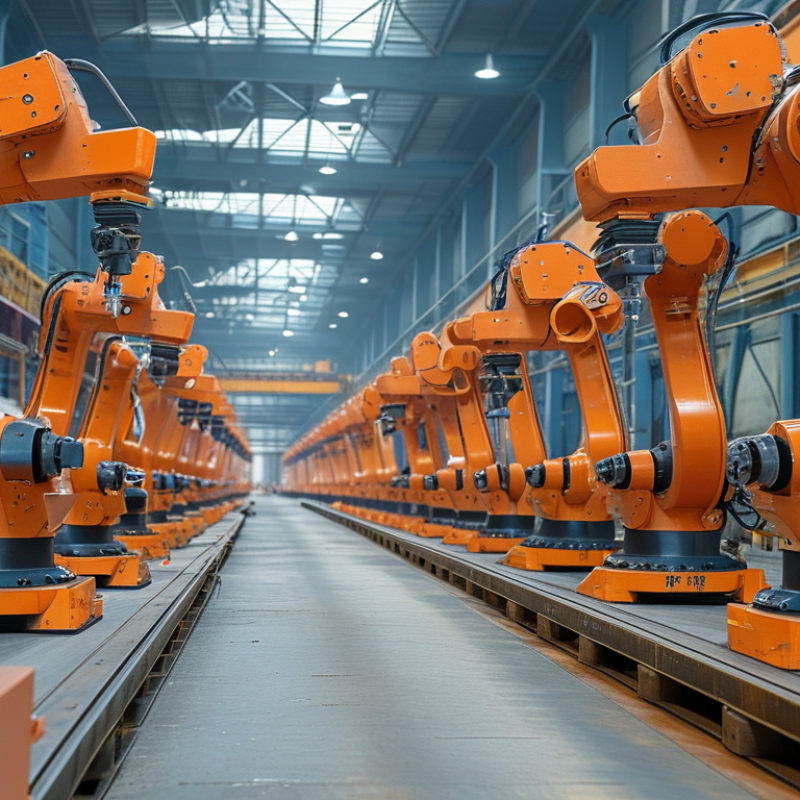
Key suppliers of aluminium manufacturing machines are enhancing their offerings with advanced technologies. For example, automation and AI integration are now common features. These innovations improve production rates and reduce errors. Companies are also focusing on sustainability. They strive to lower their environmental impact through energy-efficient machinery.
However, challenges remain. Not all manufacturers keep pace with rapidly evolving technology. Some continue using outdated processes, leading to inefficiency. Additionally, fluctuations in raw material prices can hinder investment in newer machinery. Buyers must carefully evaluate equipment based on quality and operational capability. Awareness of these challenges is crucial for informed decision-making in the dynamic aluminium market.
Technological Innovations in Aluminium Manufacturing Machinery
Technological innovations in aluminium manufacturing machinery have significantly impacted the industry. Reports indicate that the global aluminium machinery market is projected to grow at a CAGR of over 5% through 2028. Automation and artificial intelligence are becoming standard in aluminium production lines. This shift enhances efficiency and reduces human error, leading to cost-effective operations.
Advanced techniques such as 3D printing are now being used in aluminium manufacturing. This method allows for the creation of complex geometries that were previously difficult to achieve. However, this technology still faces challenges regarding material properties and production speed. Additionally, integrating AI-driven analytics helps in predictive maintenance, ensuring minimal downtime. Yet, the reliance on technology raises concerns about cybersecurity threats and data privacy.
Investing in eco-friendly machinery is another trend. Many manufacturers are adopting energy-efficient technologies to reduce carbon emissions. However, balancing cost and sustainability poses a challenge for smaller businesses. As innovations continue to shape the aluminium industry, companies must adapt while considering the risks associated with new technologies.
Best Aluminium Manufacturing Machines for Global Buyers
| Machine Type |
Key Features |
Production Capacity (kg/h) |
Energy Consumption (kW) |
Technology Used |
| Extrusion Press |
Hydraulic system, High-speed operation |
800 |
150 |
Advanced Hydraulic Technology |
| CNC Machining Center |
Multi-axis machining, High precision |
500 |
120 |
Computer Numerical Control |
| Die Casting Machine |
Low pressure casting, High quality |
700 |
200 |
Pressure and Vacuum Automation |
| Laser Cutting Machine |
High speed cutting, Versatile materials |
400 |
100 |
Fiber Laser Technology |
| Powder Coating Machine |
Automated application, Eco-friendly |
300 |
80 |
Electrostatic Spraying Technology |
Market Trends and Future Predictions for Aluminium Manufacturing Equipment
The aluminium manufacturing industry is witnessing significant shifts driven by technological advancements and changing market dynamics. According to a recent market analysis, global demand for aluminium is projected to reach 82 million metric tons by 2025. This surge is attributed to its lightweight properties and versatility in applications, from automotive to aerospace.
As buyers look for manufacturing equipment, automation has become a focal point. Industry reports indicate that over 50% of manufacturers are investing in automated processes. Automation not only enhances efficiency but also reduces operational costs. However, the high initial investment can deter smaller firms from upgrading their equipment. This presents a challenge as lower-cost alternatives often compromise quality.
Sustainability is another critical trend shaping the future of aluminium manufacturing. A current study reveals that approximately 75% of aluminium produced is still in use today. This highlights the importance of recycling and sustainable practices. Manufacturers must adapt to this environmental responsibility while maintaining profitability. The balance between innovation and sustainability poses ongoing questions for industry stakeholders, pushing them to rethink traditional approaches.