Top Aluminium Manufacturing Machines for Optimal Production
In the fast-paced world of aluminium manufacturing, the right machines can significantly enhance production efficiency. Industry expert Dr. Sarah Johnson, a leading authority on Aluminium Manufacturing Machines, states, “Investing in advanced machinery not only boosts output but also ensures quality." Her insights reflect the critical role that technology plays in this sector.
Aluminium Manufacturing Machines have evolved drastically over the years. Modern designs now prioritize energy efficiency and precision. As the demand for aluminium surges, manufacturers face pressure to optimize their processes. Achieving high output without sacrificing quality is a delicate balance.
Despite the advancements, challenges remain. Not all machines deliver on their promises. The need for ongoing training and maintenance is essential. Furthermore, investing in the latest technology can be daunting for smaller businesses. This reality raises questions about the best path forward for manufacturers aiming for optimal production.
Top Aluminium Manufacturing Machines: An Overview of Modern Solutions
The aluminium manufacturing sector is rapidly evolving. Modern machines are now essential for optimizing production. Data from industry reports highlight a significant increase in efficiency due to these advancements. For example, automated extrusion presses can improve output by up to 30%. These machines reduce waste while ensuring high precision.
Investing in CNC machining technology can greatly enhance quality control. A recent survey indicates that companies using advanced CNC machines see a 15% decrease in defects. Precision matters in aluminium parts, and consistent quality leads to satisfied customers. However, it is crucial to regularly maintain this equipment. Neglecting maintenance can lead to costly downtimes and production delays.
Tips: Always evaluate the energy consumption of new machines. Energy-efficient models may have a higher upfront cost but can lower long-term operational expenses. Lastly, team training on new technologies is vital. An informed workforce can maximize the benefits of these modern solutions.
Top Aluminium Manufacturing Machines Production Capacity
Key Features of Aluminium Extrusion Machines for High Efficiency
Aluminium extrusion machines are vital for achieving high productivity in manufacturing. These machines operate through a process that shapes aluminium by forcing it through a die. A critical feature is the temperature control system. Maintaining the right temperature ensures optimal malleability of the aluminium, leading to fewer defects and waste.
Another essential aspect is the automated feeding and handling systems. These systems streamline the extrusion process, allowing for consistent output and reducing manual labor. However, automation can sometimes lead to unexpected jams or malfunctions. Technicians must be skilled to troubleshoot these issues quickly.
Energy efficiency is another key factor. Modern machines often incorporate advanced technologies that reduce energy consumption without compromising output. This balance is crucial for cost savings. Still, the initial setup and calibration can be challenging, requiring precise adjustments. Continuous training for staff helps address these complexities, ensuring smooth operations in the long run.
The Role of CNC Machining in Precision Aluminium Fabrication
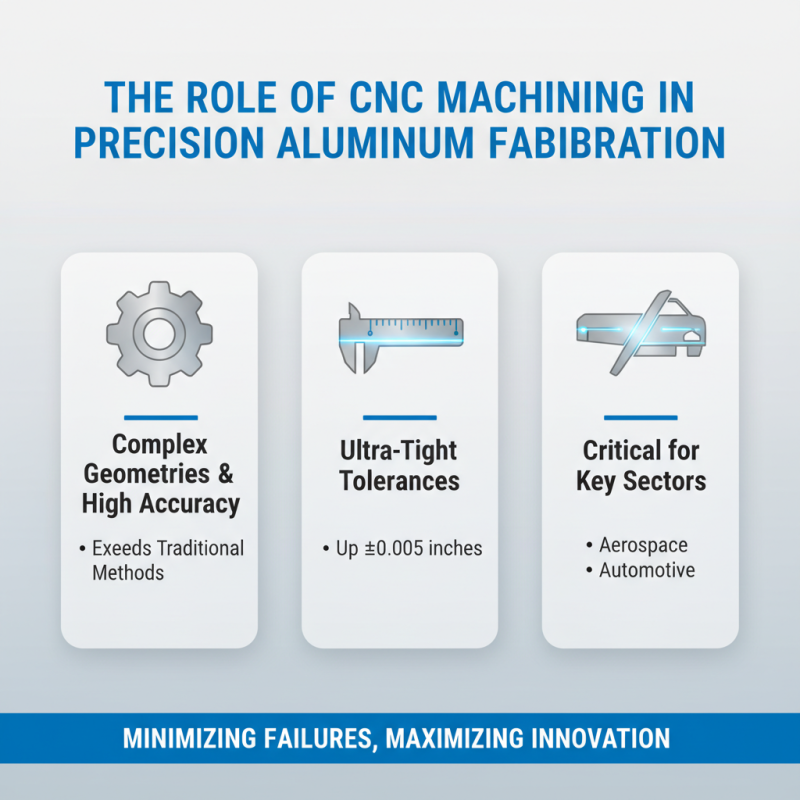
CNC machining has emerged as a cornerstone in the precision aluminum fabrication industry. Its ability to produce complex geometries with high accuracy speaks to its significance. Recent data indicates that CNC machines can achieve tolerances as tight as ±0.005 inches, far exceeding traditional machining methods. This precision is essential in sectors like aerospace and automotive, where even minute discrepancies can result in costly failures.
The process is not without its challenges. For instance, the setup time for CNC machines can be lengthy, leading to potential downtimes. Industry reports show that about 20% of manufacturing time can be lost in setup and programming phases. This inefficiency raises questions about balancing production speed with precision. Moreover, maintaining tooling standards and machine calibration is vital yet often overlooked, which can negatively impact quality.
Despite these barriers, the advantages of CNC machining are significant. It allows for an automated workflow that can increase output rates. According to industry analysis, integrating CNC technology can boost production efficiency by up to 30%. As companies strive for optimal production, refining these processes will be essential for future growth. However, the pursuit of innovation must also address existing shortcomings to ensure a reliable and sustainable manufacturing environment.
Innovations in Die Casting Machines for Enhanced Aluminium Production
Die casting machines have seen remarkable innovations lately, significantly impacting aluminium production. These advancements focus on enhancing efficiency and output quality. Modern machines incorporate smart technologies for better control during the casting process. They often use advanced sensors to monitor temperature and pressure. This real-time data helps in achieving consistent results.
Some designs feature improved material flow dynamics. They allow for more complex shapes and finer details in the finished products. However, implementing these technologies can be challenging. Manufacturers often face a steep learning curve with new machinery. Training staff effectively becomes essential for maximizing the benefits. The integration process also presents risks; investing heavily without guaranteed outcomes can be daunting.
Environmental considerations are also front and center. Many new machines aim to reduce waste and energy consumption. This shift reflects a growing commitment to sustainability in the industry. Nonetheless, not every innovation succeeds in practice. There are often teething issues during transition phases. The pursuit of perfection remains a constant, driving manufacturers to continuously adapt their processes.
Comparative Analysis of Cost-Effectiveness in Aluminium Manufacturing Equipment
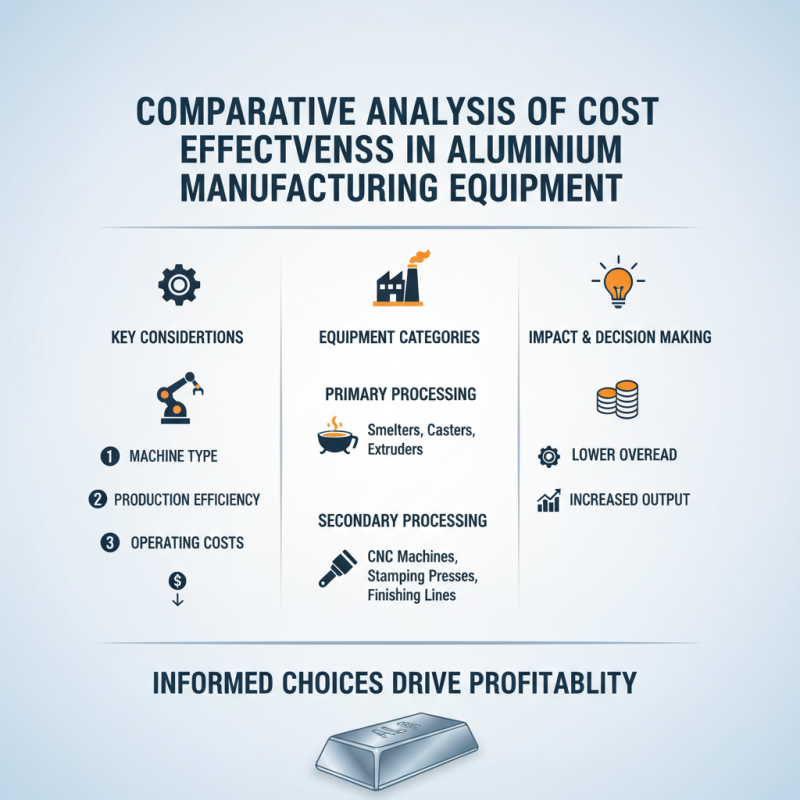
In the aluminium manufacturing industry, cost-effectiveness is a crucial consideration. Different machines serve unique purposes, impacting overall production efficiency. Understanding the nuances can help manufacturers make informed decisions.
Evaluating cost-effectiveness involves analyzing initial costs, energy consumption, and maintenance expenses. Advanced machinery often promises higher output but may have steep upfront costs. Simpler machines could be less expensive, but may lead to higher operational costs over time.
Many businesses struggle with machine selection. A balance between technology and cost is not always clear. Outdated equipment may need frequent repairs, impacting productivity. Continuous monitoring of performance and costs is vital for optimizing investment. It’s essential to review supplier terms regularly to ensure alignment with production goals.