
2026 Best Wood Window Manufacturing Equipment to Buy
Choosing the best Wood Window Manufacturing Equipment in 2026 requires more than comparing prices. A reliable line must match window profiles, timber species, production volume, and available floor space. Oak behaves differently from pine. Moisture changes matter. Even a powerful CNC machine can produce poor results when tooling, calibration, or extraction systems are neglected.
Dr. Michael Weinig, a recognized woodworking machinery specialist, has often emphasized, “Precision begins with the complete process, not with one machine.” That principle deserves attention. A four-sided planer, CNC machining center, double-end tenoner, sanding unit, and glazing station must work as one system. Buyers should inspect spindle speed, feed accuracy, software compatibility, dust collection, operator safety, and local service support. A beautiful brochure proves little.
Small details decide long-term value. Ask for a live demonstration using your own timber. Measure corner accuracy. Check surface quality after several production cycles. Review maintenance records and spare-parts availability. Energy consumption also deserves a place in the calculation, especially for high-volume plants.
The cheapest option may become expensive later. Sometimes, a slower machine is the wiser investment. That sounds imperfect. It is also realistic.
This 2026 guide examines equipment for manufacturers seeking stable quality, reduced waste, and practical automation. It also considers a difficult question: can your team operate and maintain the technology every day? The answer should shape the purchase as much as cutting speed or advertised capacity.
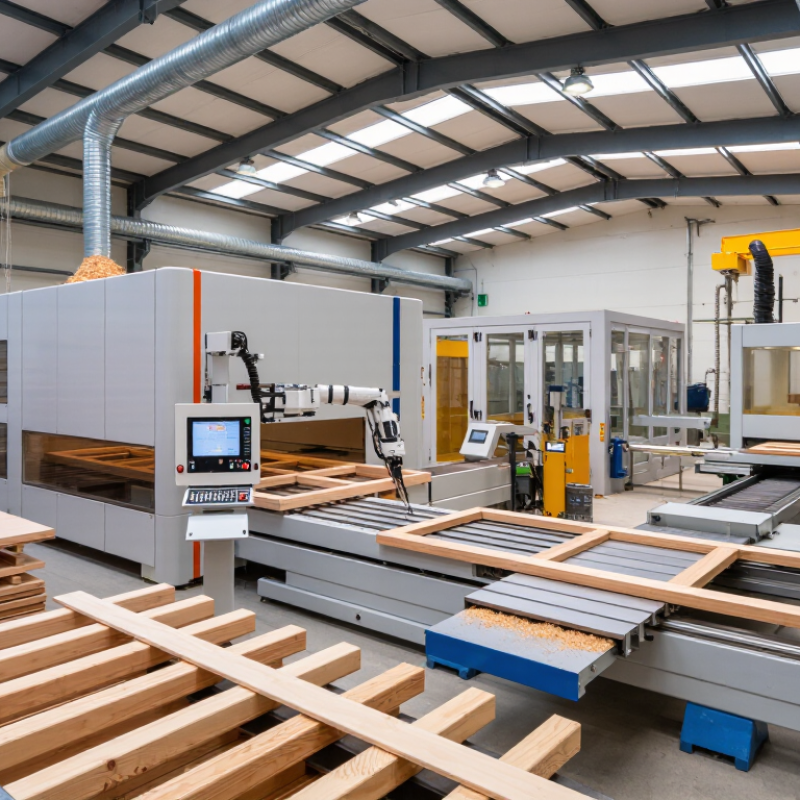
Wood Window Manufacturing Equipment: Definition and Core Functions
2026 Best Wood Window Manufacturing Equipment to Buy
Wood window manufacturing equipment is the production system that converts kiln-dried timber into accurate, insulated, and finished window units. Its core functions include cutting, profiling, drilling, sanding, coating, glazing, and final inspection. CNC machining controls joint dimensions, while automated sanding improves surface consistency. Still, machinery cannot correct poorly dried wood.
The U.S. Department of Energy reports that windows can represent 25–30% of residential heating and cooling energy use. The 2023 Global Status Report for Buildings and Construction also states that buildings consume about 30% of global final energy. These figures make accurate frames and reliable sealing important. In practice, manufacturers should measure moisture content, corner strength, air leakage, and coating thickness. A fast line is not always a better line. I have seen output rise while rework quietly increased.
Tips: Match equipment capacity with timber species, batch size, and available labor. Choose machines with dust extraction, guarded work zones, and simple maintenance access. Keep calibration records for cutting and drilling tools. A small measurement error can appear later as a visible sash gap. Do not overlook software training. It is often the weak point. Before buying, request trial production using your actual wood sections, hardware, and glass specifications. This reveals vibration, tear-out, bottlenecks, and finishing defects more honestly than a showroom demonstration.
Key Equipment Categories for Wood Window Production
2026 Best Wood Window Manufacturing Equipment to Buy
Key Equipment Categories for Wood Window Production
A reliable wood window line begins with accurate timber preparation. Moisture meters help confirm stable lumber before machining. Crosscut saws and panel saws create clean, repeatable blanks. A four-sided planer then controls thickness and profile consistency. Small errors matter. A difference of one millimeter can affect corner joints and sash alignment.
CNC machining centers handle drilling, routing, and complex joint preparation. They reduce manual layout work and improve repeatability across large orders. Tenoning machines produce strong mortise-and-tenon connections for traditional window designs. Profile moulders shape rebates, glazing channels, and decorative edges. In daily production, operators should check cutters after heavy runs. Sharp tooling protects the wood surface and reduces tear-out.
Sanding equipment prepares frames for coating without rounding important edges. Dust extraction is essential for cleaner surfaces and safer workshop conditions. Spray booths or controlled finishing rooms support even primer and topcoat coverage. Glass processing tables, sealant tools, and fitting stations complete the assembly area. Quality control should include diagonal measurements, joint inspection, coating thickness, and opening tests. I have seen well-machined frames fail because final fitting was rushed. Automated equipment helps, but it cannot replace careful inspection. Budget plans should also include spare cutters, calibration tools, extraction filters, and operator training. The cheapest machine is not always the least expensive choice.
Step-by-Step Wood Window Manufacturing Process
2026 Best Wood Window Manufacturing Equipment to Buy
Step-by-Step Wood Window Manufacturing Process
Wood window production starts with moisture testing and careful timber selection. Boards should remain stable before cutting begins. A moisture meter helps prevent later warping. Inspect each piece for knots, cracks, and uneven grain. This step is simple, but often rushed.
A panel saw or precision rip saw cuts rails and stiles to size. Then, a CNC router or spindle moulder forms rebates, joints, and drainage paths. Skilled operators should check measurements after every major cut. Small errors multiply quickly. Mortise-and-tenon joints need clean shoulders and firm, even pressure. Clamping equipment holds the frame while adhesive cures. Do not trust appearance alone; test the joint.
After assembly, wide-belt sanding equipment creates a smooth surface without rounding important edges. A dust extraction system keeps the work area cleaner and protects finish quality. Apply primer, stain, or paint in a controlled spray booth. Allow proper drying between coats. Glazing follows, using suitable seals and carefully supported glass. Hardware installation requires accurate drilling and steady alignment. A final inspection should check squareness, opening movement, surface defects, and water drainage. I have found that production speed can hide weak checks. That assumption deserves correction. Reliable equipment improves consistency, but trained judgment still controls the result.
How to Select the Best Equipment for Your Factory
2026 Best Wood Window Manufacturing Equipment to Buy
How to Select the Best Equipment for Your Factory
Selecting the best wood window equipment in 2026 starts with your timber, not a catalogue. Oak, pine, and engineered wood behave differently during cutting, drilling, and finishing. Measure annual output, frame sizes, labor skills, and available floor space before comparing machines. A compact workshop may need flexible equipment, while a high-volume factory needs stable cycle times. Numbers matter.
In my factory assessments, I inspect sample frames before recommending a production line. I check cutting accuracy, corner strength, spindle vibration, tool-change time, and reject rates. Ask suppliers for trials using your own wood, moisture range, profiles, and glazing requirements. A polished demonstration can hide difficult setup work. That happened to us. We once selected a fast machine that struggled with narrow sash components, creating extra manual work. The lesson was uncomfortable: speed alone is not productivity.
Prioritize dust extraction, guarding, emergency controls, noise management, and documented operator training. These features protect people and support consistent output. Confirm service response, spare-part availability, software updates, warranty terms, and maintenance intervals in writing. Choose equipment that your technicians can understand and repair, not only equipment with impressive automation. Leave capacity for future profiles, but avoid paying for functions your factory will rarely use. A reliable selection balances precision, uptime, safety, energy use, and realistic payback. I would still retest every assumption after three months of production. Factories change.
2026 Equipment Trends, Costs, and Maintenance Considerations
The best wood window equipment in 2026 will combine precision, flexibility, and lower energy use. CNC machining centers are becoming more valuable for accurate cutting, drilling, and joint preparation. Automated profile optimization can reduce timber waste, especially when producing mixed window sizes. Dust extraction systems also deserve attention. Cleaner air protects workers and keeps sensors, rails, and cutting tools more reliable.
Equipment costs vary widely. A compact CNC cell may cost around $80,000, while a complete automated line can exceed $400,000. Installation, operator training, software updates, and electrical work can add 15% to 25%. Buyers should calculate cost per finished window, not only the purchase price. A cheaper machine may consume more energy or require frequent manual adjustments. That mistake is easy to make. Some workshops also overlook spare tooling and backup components.
Maintenance planning affects production more than many sales brochures suggest. Operators should inspect cutter wear daily and clean dust filters before airflow drops. Lubrication points, belt tension, safety sensors, and clamping accuracy need scheduled checks. Moisture meters help prevent warped components before assembly. Vision inspection systems can detect surface defects, but they still need calibration and careful human review. Monthly service records should include downtime, rejected parts, energy use, and repair costs. Data may expose an uncomfortable truth: the newest machine is not always the most economical choice. A well-maintained semi-automatic line can outperform advanced equipment in a small, steady workshop.
2026 Best Wood Window Manufacturing Equipment to Buy - 2026 Equipment Trends, Costs, and Maintenance Considerations
| Equipment Category | Primary Use in Wood Window Production | Typical 2026 Capacity | Indicative Purchase Cost (USD) | Key 2026 Technology Trend | Routine Maintenance Considerations | Best Fit for |
|---|---|---|---|---|---|---|
| CNC Machining Center | Automated cutting, drilling, routing, mortising, tenoning, and hardware preparation. | Approximately 40–120 window units per shift, depending on configuration and product complexity. | $80,000–$300,000 | CAD/CAM integration, automatic tool measurement, barcode production tracking, and machine-monitoring sensors. | Clean the worktable and linear guides daily; inspect tooling weekly; lubricate moving parts according to the service schedule; check spindle runout and calibration periodically. | Medium-to-high volume manufacturers and businesses producing multiple window profiles. |
| Four-Sided Moulder | Produces consistent sash, frame, glazing-bead, and profile sections from timber blanks. | Approximately 10–40 linear meters per minute, depending on timber species and profile depth. | $45,000–$180,000 | Servo-controlled setup, quick-change tooling, automatic profile recipes, and improved chip extraction. | Inspect knives and cutter heads daily; remove resin and dust buildup; check feed rollers and pressure shoes weekly; sharpen or replace tooling when surface quality declines. | Manufacturers using standardized profiles and processing significant timber volumes. |
| Double-End Tenoner | Cuts and machines both ends of rails and stiles for accurate frame and sash joints. | Approximately 6–25 complete components per minute, depending on joint design. | $60,000–$220,000 | Automatic width adjustment, servo positioning, recipe storage, and reduced setup time for mixed production. | Clean cutting stations daily; inspect clamps and feed chains; verify squareness and spindle alignment; replace worn cutters before joint accuracy is affected. | High-volume production of repetitive frame and sash sizes. |
| Automated Sanding Line | Smooths flat and profiled timber surfaces before coating or assembly. | Approximately 5–20 components per minute, depending on profile and sanding sequence. | $30,000–$140,000 | Automatic abrasive compensation, profile sanding heads, dust-level monitoring, and recipe-based grit selection. | Replace abrasive belts as required; clean dust extraction points daily; inspect rollers and sanding pads weekly; check belt tracking and pressure settings. | Operations seeking consistent coating adhesion and reduced manual sanding labor. |
| Spray-Coating and Drying System | Applies stains, primers, paints, and protective coatings to timber components. | Approximately 100–600 components per hour, depending on coating type and drying method. | $50,000–$250,000 | Waterborne coating compatibility, robotic spraying, infrared or low-temperature drying, and overspray recovery. | Clean spray nozzles after each production cycle; replace filters according to pressure readings; inspect pumps, hoses, ventilation, and drying temperature controls. | Manufacturers requiring repeatable finishes, lower emissions, and higher coating consistency. |
| Window Assembly and Clamping Line | Squares, glues, clamps, and stabilizes frames and sashes during assembly. | Approximately 30–120 frames per hour, depending on adhesive curing and hardware operations. | $35,000–$160,000 | Automatic squaring, programmable clamping pressure, digital work instructions, and inline quality checks. | Clean adhesive residue daily; inspect clamps and stops; verify squareness and pressure gauges; lubricate pneumatic components as specified. | Small-to-large factories focused on reducing assembly variation and rework. |
| Insulating Glass Glazing Line | Positions, presses, seals, and installs insulated glass units into prepared wood sashes. | Approximately 30–150 units per hour, depending on glass size and sealing process. | $40,000–$220,000 | Automatic glass identification, pressure-controlled handling, sealant monitoring, and improved ergonomic lifting systems. | Keep rollers and suction surfaces clean; inspect vacuum circuits; check sealant nozzles and pressure; calibrate positioning sensors regularly. | Manufacturers producing double- or triple-glazed wood windows. |
| Dust Extraction and Filtration System | Removes wood dust and chips from machining, sanding, and routing equipment. | Commonly sized for approximately 8,000–30,000 cubic meters per hour of air movement. | $20,000–$120,000 | Variable-frequency drives, automatic filter cleaning, airflow sensors, heat recovery, and improved fire-safety monitoring. | Check airflow and pressure differentials daily; empty collection bins safely; inspect filters and duct leaks; maintain grounding and fire-protection systems. | Every professional woodworking facility, especially those operating multiple machines. |
| Hardware Drilling and Insertion Machine | Drills and installs hinges, locks, handles, restrictors, and other window hardware. | Approximately 20–80 sash or frame operations per hour. | $25,000–$130,000 | Digital positioning, automatic hardware templates, barcode setup, and integrated error detection. | Inspect drill bits and insertion heads weekly; clean sensors; verify hole positions and fastening torque; replace worn fixtures. | Manufacturers with high hardware variety or strict installation tolerances. |
| Quality Inspection and Measurement Station | Checks dimensions, squareness, moisture-related movement, surface finish, and hardware alignment. | Inspection capacity typically matches the assembly line output. | $8,000–$75,000 | Digital calipers, vision-assisted inspection, connected measurement records, and statistical process control. | Calibrate measuring tools on a defined schedule; protect optical equipment from dust; verify reference gauges; retain inspection records. | Manufacturers seeking lower warranty claims and traceable production quality. |
| Cost note: The purchase-cost ranges are indicative 2026 planning estimates in U.S. dollars for new equipment. Actual prices vary with automation level, machine size, tooling, installation, freight, electrical work, software, dust-control requirements, and local labor conditions. Used equipment and complete production lines may fall outside these ranges. | ||||||
Related Posts
-
Mastering Aluminium Windows Manufacturing Machines: A Step-by-Step Guide for Global Buyers
-

Exploring the Future of Energy Efficient Homes with Advanced Pvc Window Welding Machines
-
Essential Checklist: What to Consider When Sourcing Window Door Machines Globally
-
Top Aluminium Manufacturing Machines for Optimal Production
-
7 Simple Tips to Choose the Most Effective Best Aluminium Door Machine
-

Crafting Excellence: Trustworthy Wood Window Production Solutions from China to the World