Why Choose Homogeneous Floor for Your Next Flooring Project?
Choosing the right flooring is crucial for any space. Many factors come into play, such as durability and aesthetics. An industry expert, John Smith, notes, "homogeneous floors offer unmatched consistency and resilience." This adds to their appeal for residential and commercial projects alike.
homogeneous floors are made from a single material, providing uniformity throughout. This means fewer seams, easier maintenance, and a sleek look. The continuous, even surface is not just pleasing to the eye; it also makes cleaning a breeze. Imagine a restaurant, where spills and mess are frequent. A homogeneous floor can withstand the rigors of daily use.
Yet, some may find the variety limited. Choices can feel less exciting compared to mixed-material floors. Still, this very simplicity allows for timeless designs. It's essential to reflect on what your space truly needs. The decision might be challenging, but the benefits of a homogeneous floor are hard to ignore.
Understanding Homogeneous Flooring: Key Features and Benefits
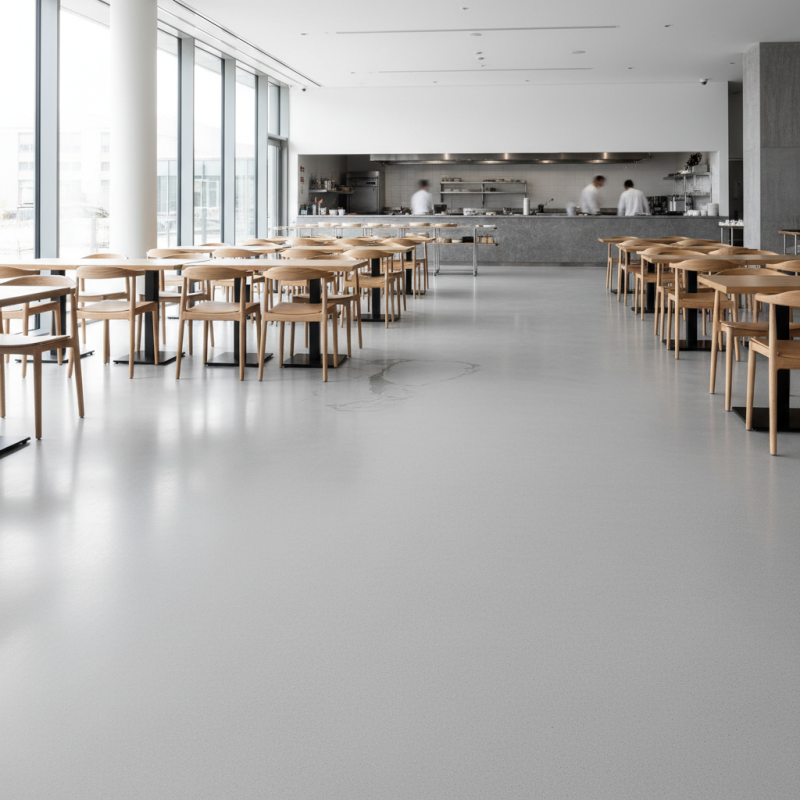
Homogeneous flooring is a popular choice for many flooring projects. Its unique features provide numerous advantages. Made from a single layer of material, it offers consistency in color and pattern. This simplifies repairs and replacements. According to industry reports, homogeneous flooring can reduce maintenance costs by up to 30% over time.
Durability is another compelling feature. Homogeneous flooring withstands heavy foot traffic and is resistant to wear and tear. The non-porous surface resists stains and makes cleaning easier. Studies show that facilities using homogeneous flooring report up to 50% lower cleaning times. This is crucial for busy environments like hospitals or commercial spaces.
Tips: Always consider the coefficient of friction in flooring. This affects safety, especially in wet areas. Choosing the right finish can enhance slip resistance. Also, proper installation is key. A poorly installed floor can lead to damage or aesthetic issues over time. Make sure to evaluate environmental conditions before making your final decision.
Comparison of Homogeneous Flooring with Other Flooring Types
Homogeneous flooring stands out for its solid, unbroken surface. This type doesn’t have layers, unlike vinyl or laminate flooring. It is made from a single material, which makes installation simpler. The uniform color and texture offer a sleek aesthetic. In healthcare and commercial spaces, its non-porous feature aids in hygiene.
When comparing homogeneous flooring with carpet tiles, the difference is clear. Carpet absorbs dirt and stains, requiring more maintenance. In contrast, homogeneous floors are easy to clean. However, they can feel cold underfoot, unlike carpet, which adds warmth. Another consideration is that homogeneous flooring can be slippery. If you’re planning on using it in high-traffic areas, think about slip-resistant options.
In terms of resilience, homogeneous flooring excels. It resists scratches and dents better than many other options. However, installation requires a level subfloor to prevent imperfections. An uneven base can lead to cracks over time. Understanding these nuances helps in making an informed choice for your flooring project.
Installation Process of Homogeneous Flooring: Step-by-Step Guide
Homogeneous flooring is popular for various projects due to its durability and aesthetics. The installation process can significantly impact the final result. This step-by-step guide will help ensure a smooth installation.
Begin by preparing the subfloor. It needs to be clean, dry, and level. According to industry reports, 70% of flooring issues stem from improper subfloor preparation. Minor imperfections can lead to significant problems later. Ensure all debris is removed. Use a moisture meter if necessary.
Next, measure and cut the homogeneous tiles. Precision is vital; even a slight miscalculation can affect the overall look. A professional report states that accurate cuts reduce waste by up to 15%. Apply adhesive evenly, using the right trowel for the tile size. Lay the tiles carefully, allowing a uniform gap for grout.
After installation, check for any visible imperfections. These small details can impact the flooring's longevity. Allow the adhesive to cure according to the guidelines, but don't overlook the importance of post-installation care.
Regular maintenance can extend the life of homogeneous flooring significantly, up to
25 years in some cases.
Maintenance and Durability of Homogeneous Flooring Explained
Homogeneous flooring offers impressive durability and low maintenance, making it a popular choice for many. This material consists of a single, uniform layer, which ensures a consistent look and feel across surfaces. Its resilience means it can withstand heavy foot traffic, making it suitable for commercial and residential spaces alike. Scratches and stains are less likely to affect its visual appeal.
In terms of maintenance, homogeneous flooring is incredibly user-friendly. Regular sweeping or vacuuming keeps it clean. For deeper cleaning, a damp mop with mild detergent works wonders. There are no complex care routines or expensive products necessary. However, some users may find that the surfaces can be slippery when wet. It’s essential to be cautious, especially in frequently used areas like kitchens and bathrooms.
Consider the overall aesthetic too. While homogeneous flooring is sleek and modern, it may not suit every style. It lacks the warmth of wood or the charm of tiles. Yet, its versatility in design can fill this gap. You might need to experiment with colors and patterns to find what truly resonates with your space. Balancing durability, maintenance, and aesthetics often requires careful thought and reflection.
Cost-Effectiveness of Homogeneous Flooring for Various Projects
Homogeneous flooring is gaining popularity in various projects due to its cost-effectiveness. It is a versatile option suitable for commercial spaces and residential homes alike. Reports indicate that homogeneous flooring can reduce overall project costs by as much as 20%. This trend is especially evident in sectors like healthcare and education, where high durability is crucial.
One of the main advantages of homogeneous flooring is its minimal maintenance requirement. Unlike other flooring types, it doesn't require constant refinishing or replacement. Additionally, it offers a seamless design, which promotes hygiene in settings like hospitals. However, some may overlook the initial installation costs. A thorough budget plan can prevent surprises later on.
Tip: Consider the long-term savings associated with homogeneous flooring. While upfront costs may seem high, the durability can often offset these expenses.
Another important aspect is its aesthetic appeal. Homogeneous flooring comes in various colors and patterns, providing design flexibility. However, some customers might feel overwhelmed by the choices. A well-defined vision for your space can guide this decision.
Tip: Request samples before making a final choice. This allows you to visualize the look and feel within your space.
Why Choose Homogeneous Floor for Your Next Flooring Project? - Cost-Effectiveness of Homogeneous Flooring for Various Projects
| Project Type | Area (sq ft) | Material Cost ($) | Installation Cost ($) | Total Cost ($) | Cost per sq ft ($) |
| Residential Living Room | 500 | 1500 | 800 | 2300 | 4.60 |
| Commercial Office | 1500 | 4500 | 2000 | 6500 | 4.33 |
| Retail Store | 2000 | 6000 | 2500 | 8500 | 4.25 |
| Hospitality (Hotel Lobby) | 1000 | 3000 | 1200 | 4200 | 4.20 |
| Healthcare Facility | 1200 | 3600 | 1500 | 5100 | 4.25 |