Why Choose a Maize Mill Machine for Your Business?
Choosing a Maize Mill Machine can shape the daily rhythm and profitability of a grain-processing business. The right equipment turns clean, dried maize into a consistent product, while helping operators manage capacity, labor, and energy use. A small mill serving local shops has different needs from a larger plant supplying distributors. Fit matters. Buyers should compare expected throughput, available power, cleaning and milling stages, spare-parts access, and maintenance requirements. A machine that looks impressive in a brochure may still be poorly matched to the grain, workload, or skills on site.
A useful guiding line for this draft comes from a fictional industry expert, milling engineer Dr. Ada Mensah: “A good mill is not the biggest one; it is the one your team can run reliably, day after day.” This is an illustrative quote, not a verified statement from a real expert. It points to a practical truth: equipment selection involves trade-offs. Ask suppliers for material specifications, realistic capacity figures, service details, and a demonstration using maize similar to yours. Listen to the motor. Inspect the flour texture. Notice how easily operators reach routine service points. Small details count. This guide explores why a Maize Mill Machine may suit your business, which features deserve close attention, and how to weigh purchase price against long-term operating needs. No machine removes every challenge; careful planning still matters.
Maize’s Global Supply: FAO Reports 1.16 Billion Tonnes Produced in 2022
FAO reports that global maize production reached 1.16 billion tonnes in 2022. That is a remarkable volume. It points to maize’s central role in food, feed, and industrial supply chains. For a milling business, this scale can mean broader access to raw grain and steady demand for flour, grits, and meal. But global abundance does not guarantee local supply. Harvest timing, transport costs, storage conditions, and grain quality still shape daily operations.
A maize mill machine can help a business turn whole kernels into products suited to nearby buyers. A small bakery may need fine, consistent flour, while livestock customers may prefer a coarser grind. Before choosing equipment, estimate daily output and check whether local maize arrives clean and dry. Moisture can cause spoilage during storage. I may be simplifying the picture: a large global harvest says little about the price or quality of grain in one town.
Tips: Ask suppliers for grain samples and test a small batch before buying. Compare the machine’s stated capacity with your expected working hours, not just its maximum rate. Keep simple records of grain moisture, flour yield, and downtime. Those figures can reveal problems early.
What a Maize Mill Machine Does: From Cleaning and Milling to Sieving
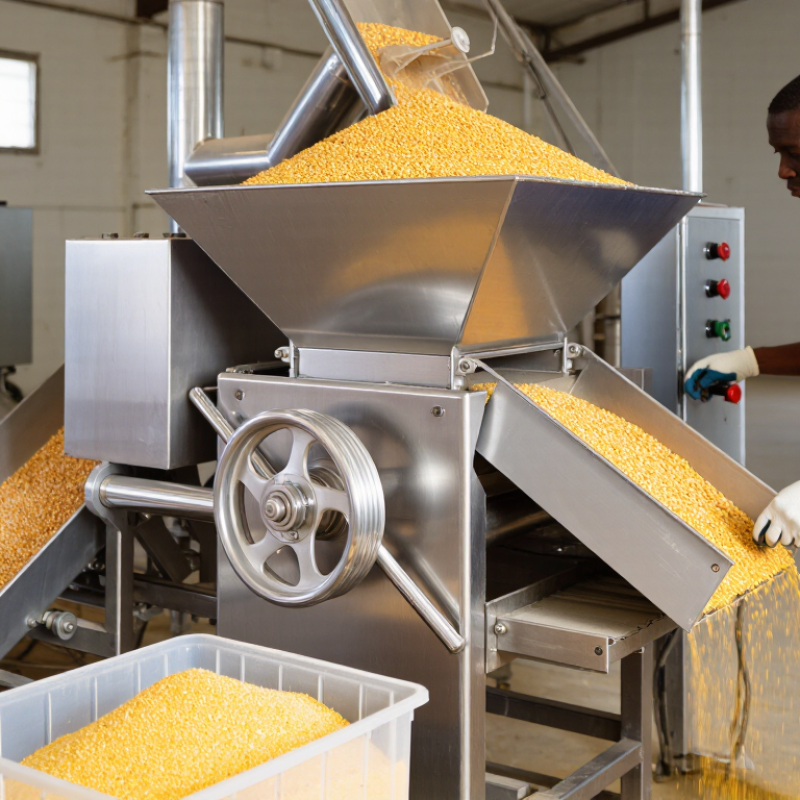
A maize mill machine handles more than grinding. It prepares grain for a consistent milling process. Incoming maize may carry dust, small stones, husks, or damaged kernels. Cleaning screens and airflow remove much of this material before it reaches the mill. A magnet can catch ferrous fragments, but it does not replace careful inspection.
The sequence matters. Clean grain helps protect milling parts and keeps unwanted material out of the finished meal. Inside the mill, rollers or hammers break kernels into smaller particles, depending on the machine design. Operators can adjust settings to suit the desired texture, from coarse grits to finer flour. Sieves then separate particles by size. Larger pieces may return for further milling, while finer meal moves to collection or packing. Check sieve condition and grain moisture regularly; both can affect output. A finer setting is not always better. It may slow production or create more heat, so trial runs and simple records help operators find a practical balance.
Core Milling Methods: Comparing Whole-Maize and Degermination Systems
Why Choose a Maize Mill Machine for Your Business?
Core Milling Methods: Comparing Whole-Maize and Degermination Systems
Choosing a maize mill starts with the product customers actually want. A whole-maize system grinds the kernel with much of its bran and germ intact. The meal tends to retain more fiber and natural oils, with a deeper color and fuller flavor. It may suit local markets that value less-refined meal. However, its oil content can shorten storage life, especially in warm conditions. That matters.
A degermination system separates much of the germ and bran before milling. The process often includes cleaning, conditioning, and controlled separation. The resulting flour is usually lighter and more uniform, and it can store longer when handled well. But removing parts of the kernel can lower flour yield. Not always. Actual results depend on maize variety, moisture, and machine settings.
The comparison is not perfectly tidy. A mill’s screens, adjustment range, and cleaning access can matter as much as its basic method. Ask suppliers for sample output from maize similar to yours, and check flour texture, bran carryover, and yield. A small production trial can reveal issues that a specification sheet misses. It is easy to focus on capacity alone; product quality and storage needs deserve equal attention.
Choosing Mill Capacity: Match Hourly Output to Your Supply and Demand
A maize mill’s hourly capacity should fit the grain you can supply and the flour your customers can buy. A large machine may look efficient, but it can sit idle when deliveries are irregular. A small unit may struggle when farmers bring several tonnes after harvest. Peak season changes everything.
Estimate your average daily maize supply, then consider busy weeks separately. If you receive 600 kilograms over an eight-hour shift, a machine rated near 75 kilograms per hour may seem sufficient. In practice, cleaning, moisture differences, adjustments, and brief stoppages reduce usable milling time. Ask suppliers how rated output was measured, including the maize condition and desired flour fineness. Plan for pauses.
Demand matters just as much. A mill serving local shops may need steady daily production, while a seasonal buyer may need short bursts of higher output. Check whether storage, packaging, labor, and power can handle the machine’s actual pace. I have seen capacity estimates look tidy on paper and feel less tidy during harvest. Leave room for maintenance, but avoid paying for output you cannot regularly sell. Revisit the estimate with recent supply records and customer orders before choosing.
Business Value: Turning Maize into Flour, Grits, and Other Marketable Products
A maize mill machine can turn one crop into several products with different buyers. A properly adjusted mill can produce fine flour for baking, coarser meal for porridge, and grits for foods that need a more distinct texture. The value is not only in grinding. It is in matching particle size to local demand. A baker may want consistent flour, while a household buyer may prefer a familiar, slightly coarse meal. Small differences matter.
Before milling, operators need to clean and inspect the maize, then adjust screens and settings for the intended product. The same grain can produce different results. Not every batch behaves alike. Moisture, variety, and kernel condition can affect flow and texture, so regular checks help limit uneven output. Finer flour may sell at a higher price in some markets, but it can also require more processing and careful handling. There is a catch.
A business can also separate bran and other milling fractions for suitable local uses, reducing the amount of material left without a buyer. This works best when those outlets are confirmed in advance. Packaging sizes, storage space, and customer preferences all affect the final return. It is easy to focus on machine capacity and overlook these details. A modest mill with steady buyers may be more practical than a larger setup that runs below capacity.