How to Use Smart Switch for Effortless Device Transfer?
Transferring data between devices can be a daunting task. Many users feel overwhelmed by the process. Fortunately, Smart Switch simplifies this experience significantly. This powerful tool streamlines the transfer of data, apps, and settings. Imagine moving from an old phone to a new one within minutes.
The Smart Switch application, developed by Samsung, supports both Android and iOS devices. It allows users to bridge the gap between different platforms seamlessly. When using Smart Switch, you can expect a user-friendly interface. However, users might encounter occasional hiccups along the way. It is crucial to ensure the devices are fully charged before starting the transfer.
Moreover, some users might still find it challenging to locate specific features within the app. Taking the time to explore all options can lead to a smoother transition. Ultimately, Smart Switch serves as a reliable solution for those seeking to make their device transfer experience as effortless as possible. By utilizing this tool, users can focus on enjoying their new device rather than fretting over data transfers.
Understanding Smart Switch: What It Is and Its Benefits
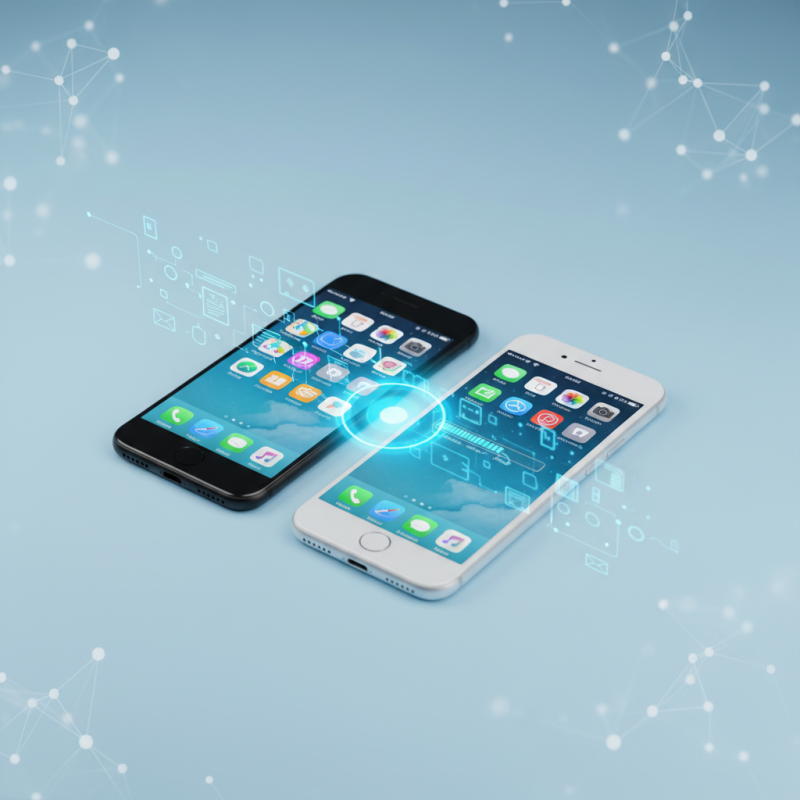
Smart Switch is a powerful tool designed to simplify the transfer of data between devices. It allows users to migrate photos, contacts, and settings effortlessly. This makes it an invaluable resource for anyone upgrading to a new device. The seamless transition can save hours of manual data entry.
Understanding Smart Switch is crucial for maximizing its benefits. Its user-friendly interface guides individuals through the process. Most notably, it supports various file types, ensuring nothing important gets left behind. Users can transfer their entire digital life with just a few taps. Yet, some users may find the initial setup daunting. It's important to take time to understand the options available.
The reliability of Smart Switch cannot be understated. It utilizes secure connections, keeping data safe during transfer. However, occasional glitches may arise, creating frustration. Patience is key when navigating these hurdles. Users should always back up their data beforehand, ensuring nothing is lost in the transfer process. A little planning can go a long way in making the experience smooth.
Preparing Your Devices for Smart Switch Transfer
Preparing your devices for a Smart Switch transfer can feel daunting, but it doesn’t have to be. Start by ensuring both devices are fully charged. This can prevent interruptions during the transfer process. Check that you have a stable Wi-Fi connection. A strong network ensures a smoother experience. Remember, this isn’t just about speed; reliability matters too.
Backing up your data is crucial. Before using Smart Switch, make sure to save important files. Use cloud storage or an external hard drive. Performing a backup can help you recover any lost data. Sometimes, not all files transfer correctly. Anticipating this can save time and stress.
Tip: Keep your old device close. You may need to approve connections or provide additional info. Feel free to explore device settings. Familiarizing yourself with these can lead to unexpected discoveries. Don’t rush the process. A little patience can go a long way. If something doesn’t work right away, pause and rethink your approach.
Step-by-Step Guide to Using Smart Switch for Data Migration
Transferring data between devices can be daunting. However, using Smart Switch can significantly ease this process. To begin, ensure both devices are charged and connected to a stable Wi-Fi network. You can transfer content wirelessly or using a USB cable. Keep in mind that not all data types may transfer seamlessly. For example, certain app data may not move over perfectly.
Begin the setup by downloading the Smart Switch app on both devices. Open the app on the new device and select the appropriate transfer method. Follow the on-screen prompts. This process can take time, depending on the amount of data being transferred. Stay patient.
After the transfer is complete, check the new device for any missing content. Some users find that images or documents may not appear as expected. It might require a manual upload. Remember, while Smart Switch is efficient, no tool is flawless. Always back up your data before moving it. Being prepared can save you from potential pitfalls.
Troubleshooting Common Issues with Smart Switch
When using Smart Switch for device transfer, issues may arise. Many users experience connectivity problems during the process. According to a survey by a leading tech research firm, about 30% of users report disconnection issues. This can be frustrating but resolves with a few simple steps. Check your Wi-Fi connection to ensure it's stable. Restart both devices before retrying the transfer.
Another common issue involves data loss or incomplete transfers. A report from industry analysts notes that 25% of users face missing files after using Smart Switch. To mitigate this, back up data on your old device beforehand. Use external storage to save essential data. Additionally, some files may not be compatible with the new device, leading to potential frustration. Regularly updating both devices can help prevent these issues by ensuring compatibility.
Users should not overlook the importance of following the prompts during the transfer. Skipping steps may lead to complications. Observing best practices increases the likelihood of a seamless experience. Despite these insights, some still find themselves confronted with unexpected hurdles. It serves as a reminder to remain patient and prepared for troubleshooting.
Ensuring Data Security During the Transfer Process
When transferring data between devices, ensuring data security is paramount. Many users overlook potential risks during the process. Without proper measures, sensitive information could fall into the wrong hands. Using secure methods and tools is essential.
First, always encrypt your data before transferring. Encryption makes it nearly impossible for unauthorized users to access your files. Use reliable encryption software to safeguard your information. Be wary of public Wi-Fi networks during transfers. Connecting to unsecured networks can expose your data to cyber threats.
Be mindful of what you are transferring. Deleting unnecessary files can reduce risks. Also, double-check the permissions granted during the transfer process. Sometimes, you might unknowingly share more than you intended. Keeping software updated can help protect against vulnerabilities. Even seemingly minor updates can enhance security significantly.