What Is a Float Glass Machine?
A Float Glass Machine is not one isolated piece of equipment. It is a connected production line that turns carefully mixed raw materials into broad, uniform sheets of glass. The process is known as float glass production because molten glass spreads across a bath of molten tin. The tin’s smooth surface helps create flat glass on both sides. It looks simple. It is not.
The line typically includes a batch feeder, melting furnace, refining zone, float bath, annealing lehr, and cutting equipment. Inside the furnace, the mixture becomes molten glass. It then flows onto the tin bath, where its thickness and width are controlled. As the ribbon moves forward, temperature changes gradually in the lehr to reduce internal stress. Sensors and operators monitor flow, temperature, ribbon shape, and defects. A small process variation can affect a large sheet.
Sir Alastair Pilkington pioneered the float process. A concise paraphrase of his guiding insight is: “Let molten glass float on molten tin to form a continuous, level ribbon.” This describes the core principle, not the full engineering challenge. Modern lines rely on precise thermal control, clean materials, and steady production conditions. Even then, imperfections can occur, so inspection remains essential. Understanding each stage makes it easier to assess a machine’s output, operating needs, and limits.
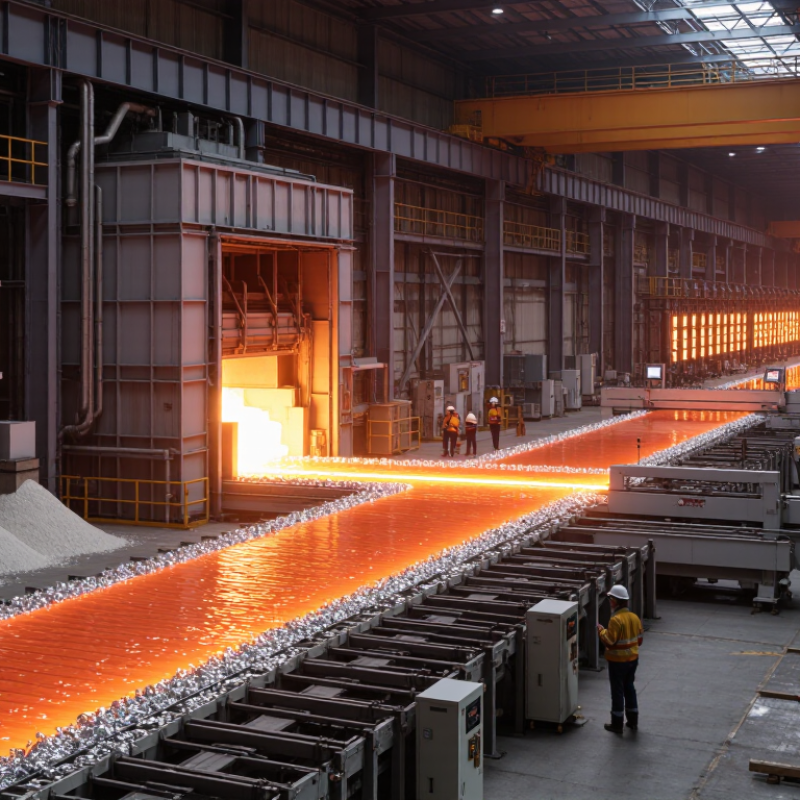
Core Definition and Purpose of a Float Glass Machine
A float glass machine is an integrated production line that makes continuous sheets of flat glass. It is not usually one standalone device. Its core purpose is to shape molten glass into a smooth ribbon with controlled thickness. The name can make the process sound simpler than it is.
In the forming section, molten glass flows onto a bath of molten tin. The glass spreads under gravity and surface tension, creating smooth upper and lower surfaces. Rollers and process controls help set the ribbon’s width and thickness. It then moves through an annealing lehr, where gradual cooling reduces internal stress. Small temperature shifts can affect quality, so operators monitor the process closely.
Tips: When assessing a float line, look beyond its forming section. Check temperature control, ribbon speed, cooling capacity, and inspection points. Even a well-designed system needs careful adjustment; the ideal settings may vary with glass thickness and production conditions.
How the Float Glass Manufacturing Process Works
A float glass machine is better understood as a continuous production line. In the European Commission Joint Research Centre’s 2013 Best Available Techniques Reference Document for the Manufacture of Glass, the process begins with a furnace that melts silica sand, soda ash, limestone, and recycled glass at roughly 1,500°C. The molten glass then flows onto a bath of liquid tin. It spreads into a flat ribbon, while gravity and surface tension help create smooth, parallel surfaces. The tin bath operates near 1,000°C. That matters.
After forming, the hot ribbon travels through an annealing lehr, a long temperature-controlled tunnel. Gradual cooling reduces internal stress and helps prevent cracking during cutting or handling. Sensors monitor thickness and surface defects; operators may adjust the line when the ribbon shows waviness or inclusions. The process sounds simple. It is not. A small temperature shift can affect product quality, and the exact settings vary with glass composition and production speed. The same European Commission report documents these stages and process conditions, making it a useful technical reference rather than a machine supplier’s specification. One limitation: a smooth surface alone does not prove that every sheet meets its intended strength or optical requirements.
Main Components and Their Functions
A float glass machine is a continuous production line, not one standalone device. Its main components keep glass moving at controlled temperatures and speeds. The batch house weighs and mixes silica sand, soda ash, limestone, and recycled glass. Conveyors carry this blend to a melting furnace, where heat turns it into a uniform liquid. Consistent feeding matters. A fluctuating batch can create bubbles or uneven composition, though furnace conditions also influence defects.
At the furnace outlet, molten glass flows onto a shallow bath of molten tin. The tin supports the glass as it spreads into a flat ribbon; rollers and controls help set its thickness and width. The ribbon then enters an annealing lehr, a long, temperature-controlled tunnel. Gradual cooling reduces internal stress. That matters. Cooling too quickly can leave strain that later causes breakage. After annealing, inspection systems check surfaces and dimensions, while cutting equipment divides the ribbon into sheets. Operators monitor temperature, line speed, and defect patterns. Automation helps, but it cannot replace judgment: a sensor may lag behind a real process change. Line layouts vary, and adjustments are still part of daily operation.
Key Production Stages from Melting to Cutting
What Is a Float Glass Machine? Key Production Stages from Melting to Cutting
A float glass machine is really a connected production line, not one isolated device. It turns measured raw materials into continuous sheets of flat glass. Silica sand, soda ash, limestone, and recycled glass are blended, then fed into a furnace. The mixture melts at high temperatures, often around 1,500°C, depending on its composition. Small changes matter.
In the refining zone, heat helps trapped bubbles rise from the molten glass. The liquid then flows onto a bath of molten tin, where it spreads into a smooth, even ribbon. The glass does not mix with the tin. Rollers and careful temperature control help set its width and thickness. This stage looks calm, but it is sensitive to disturbances. A minor process variation may affect the sheet’s surface or dimensions.
Next, the ribbon enters an annealing lehr, a long controlled-cooling chamber. Cooling too quickly can leave internal stress, so temperature changes gradually along the line. After cooling, inspection systems check for visible defects and measure the sheet. Operators may still need to review borderline flaws; automated checks are useful, not infallible. Finally, cutting equipment scores the glass and separates it into planned sizes. Clean cuts depend on stable sheet quality and precise alignment.
What Is a Float Glass Machine? — Key Production Stages from Melting to Cutting
A float glass line melts raw materials, forms a continuous ribbon on molten tin, gradually cools it, and cuts the finished glass into sheets.
Illustrative typical temperatures in °C. Actual temperatures vary with glass composition, product thickness, and production-line settings.
Common Types and Industrial Applications of Float Glass Machines
A float glass machine is better understood as a coordinated production line than a single piece of equipment. Common line types are often described by their output: standard lines produce architectural glass, while thinner-glass lines serve products needing lighter sheets. Each line typically includes glass melting, a tin bath, an annealing lehr, and cutting equipment. The details matter. Temperature control and steady movement help maintain sheet thickness and surface quality, though real production still requires regular inspection.
Different line configurations support different industrial applications. Building projects use clear or coated glass for windows and façades. Vehicle manufacturers need carefully specified glazing, while appliance makers use glass for oven doors and refrigerator shelves. Solar panels and furniture also rely on processed flat glass. A small variation in thickness can affect downstream cutting or fit, so the best line depends on the product, not just its rated output. In practice, no setup is perfect; operators may need to balance speed, energy use, and consistent quality.
Tips: When comparing machines, check the target thickness range, usable ribbon width, inspection systems, and compatibility with planned coatings. Ask how defects are detected and handled. Not every line fits. A detailed production trial can reveal limits that a specification sheet misses.