Top Trends in 2026 Industrial Products for Global Buyers?
The industrial landscape is constantly evolving. As we look ahead to 2026, several key trends are shaping the future of industrial products. Global buyers must adapt to these changes to stay competitive.
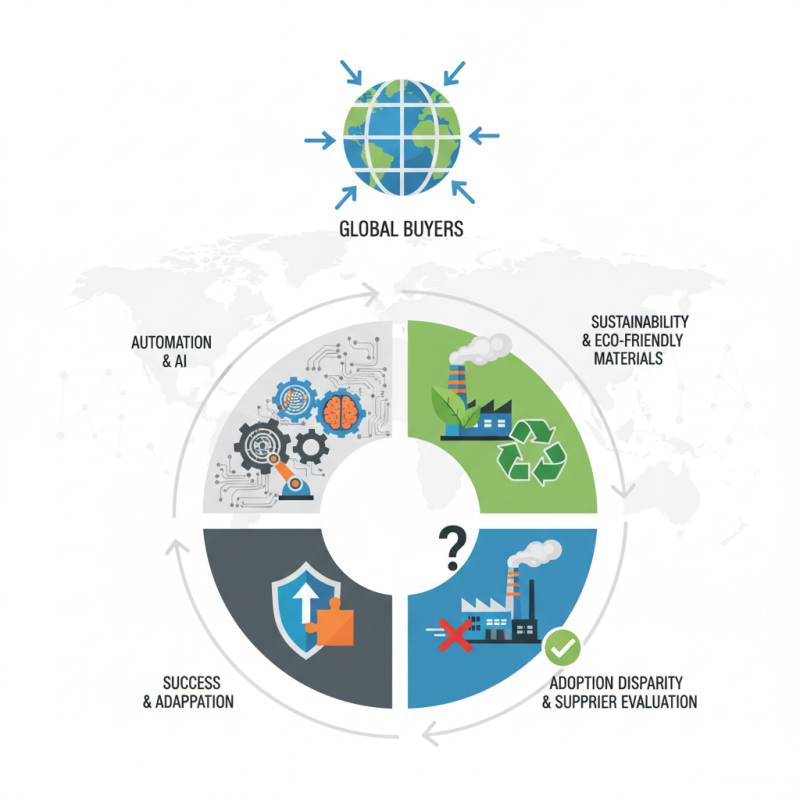
Emerging technologies play a pivotal role in this transformation. Automation and artificial intelligence are redefining production processes. Additionally, sustainability is becoming a critical concern. Buyers are now prioritizing eco-friendly materials and practices. This shift reflects a growing awareness of environmental impacts.
However, challenges remain. Not all industries are moving at the same pace. Some companies lag in adopting new technologies. This inconsistency can create risks for buyers seeking reliable suppliers. It is crucial to evaluate potential partners carefully. Embracing these trends is essential for success in the industrial sector. Understanding these dynamics will help global buyers navigate the complexities of industrial P in the coming years.
Emerging Technologies Shaping Industrial Products in 2026
Emerging technologies are pivotal in shaping industrial products for global markets. In 2026, advancements like AI, IoT, and automation will redefine how industries operate. These technologies enhance efficiency and improve decision-making processes. Factories will increasingly rely on smart machinery to optimize production.
Tips: Keep an eye on AI integrations in manufacturing. The right software can streamline operations and reduce downtime. Regularly assess your technology to ensure it meets evolving needs.
In addition, sustainability is becoming a key concern. Eco-friendly materials and energy-efficient processes are gaining traction. Buyers should prioritize products that demonstrate a commitment to green practices. This trend aligns with consumer demands for responsible manufacturing.
Tips: Evaluate your suppliers based on their sustainability practices. Engage with companies that are transparent about their environmental impact.
While the future holds promise, challenges remain. The rapid pace of technological change can overwhelm teams. It’s essential to foster a culture of continuous learning. Addressing the skills gap will be necessary for adopting new technologies effectively.
Sustainability Practices Revolutionizing Manufacturing Processes
Sustainability is reshaping manufacturing in 2026. Companies are embracing eco-friendly practices. These shifts aim to reduce waste and energy consumption. Advanced technologies now play a key role. This change is both exciting and challenging.
Many manufacturers now use renewable energy sources. Solar panels and wind turbines are common. These tools help cut down on carbon footprints. However, not all companies can afford these upgrades. Smaller manufacturers may struggle to keep up. This creates a gap in the market.
Recycling and circular economy models are gaining traction. Manufacturers are rethinking their designs to ensure recyclability. Some products use recycled materials, but quality can vary. This raises questions about performance and durability. Each step toward sustainability brings new challenges worth considering. The path to a greener future is complex, yet necessary.
Key Market Demands Influencing Product Development Strategies
As global markets evolve, buyers are increasingly focused on sustainable solutions. This shift is driving demand for eco-friendly materials and energy-efficient products. Manufacturers must adapt to these growing expectations. They need to explore alternative sources and innovative designs to meet buyers' needs.
Technology integration remains another key driver. Automation, IoT, and AI are transforming manufacturing processes. These advancements enhance product quality and operational efficiency. However, this rapid change can create challenges. Companies must invest in training their workforce and updating infrastructure to leverage new technologies effectively.
Global supply chains are facing pressures. Buyers seek transparency and reliability in sourcing. This has prompted companies to rethink their strategies, prioritizing local suppliers and sustainable practices. Adapting to these market demands requires collaboration and open dialogue among stakeholders, ensuring that everyone benefits from the transition.
Innovative Materials and Their Applications in Industry
Innovative materials are transforming industrial products in 2026. Manufacturers are exploring advanced composites that blend lightweight properties with strength. These materials can enhance fuel efficiency in transportation and reduce costs in production.
Biodegradable plastics are gaining attention for their environmental benefits. They offer a sustainable alternative to traditional plastics. Companies are starting to adopt these in packaging to minimize waste. However, challenges remain regarding their durability and performance.
Smart materials are also emerging. They adapt to environmental changes and improve functionality. Industries are investing in these materials to create responsive products. Yet, the reliance on technology raises concerns about long-term reliability and maintenance. Balancing innovation with practicality is essential for future industrial applications.
Top Trends in 2026 Industrial Products for Global Buyers
| Material Type | Application Area | Key Properties | Market Trend | Sustainability Impact |
| Biodegradable Plastics | Packaging | Eco-friendly, Decomposable | Growing Demand | Reduced Plastic Waste |
| Smart Alloys | Aerospace | Lightweight, High Strength | Increased Adoption | Improved Fuel Efficiency |
| Graphene | Electronics | High Conductivity, Flexibility | Emerging Technology | Reduced Energy Consumption |
| Nano-Coatings | Automotive | Durability, Corrosion Resistance | High Market Growth | Extended Product Life |
| Advanced Ceramics | Healthcare | Biocompatibility, Strength | Increased Adoption in Implants | Improved Patient Outcomes |
Global Supply Chain Trends Impacting Industrial Product Distribution
In 2026, global supply chain trends are reshaping how industrial products are distributed. Increased digitization is a major factor. Smart technologies streamline supply chains, enabling real-time tracking and improved efficiency. Yet, reliance on technology can create vulnerabilities. Cybersecurity threats may emerge, challenging operational integrity.
Tips: Regularly assess your digital infrastructure. Implement strong cybersecurity measures to protect data.
Sustainability is also critical. Consumers now prioritize eco-friendly products. This shift changes how companies source materials. However, balancing cost and sustainability remains tricky. Companies must find innovative ways to meet demand while reducing their environmental impact.
Tips: Evaluate your supply chain for sustainable options. Engage with suppliers focused on eco-friendly practices.
Moreover, geopolitical factors can disrupt the global supply chain. Trade policies can shift rapidly, impacting availability and pricing of resources. Staying informed about international relations is vital.
Tips: Monitor geopolitical developments closely. Be prepared to adapt your sourcing strategies accordingly.