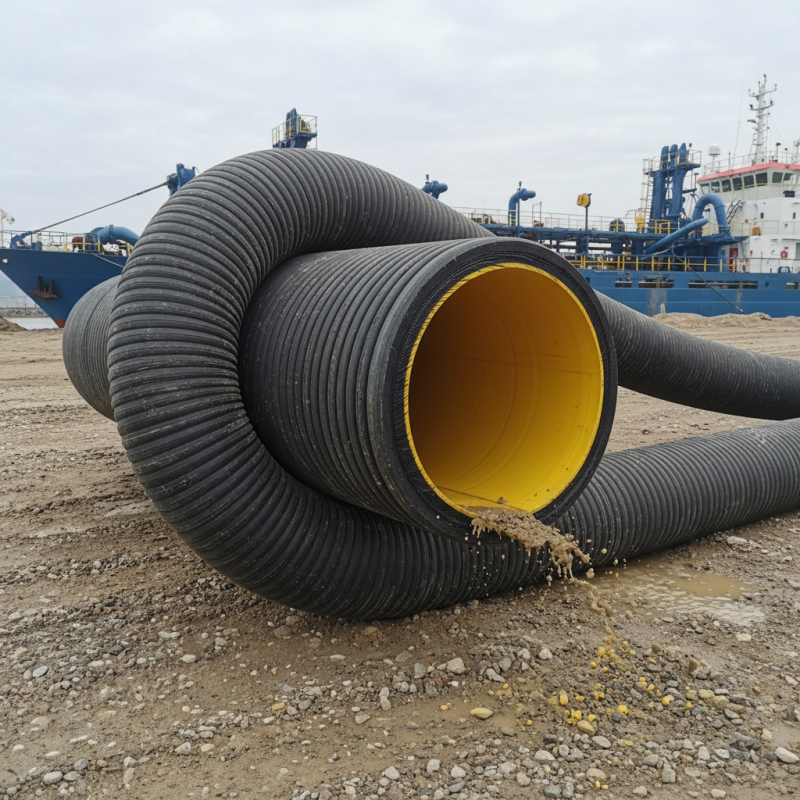
Top 10 Wear-Resistant Dredging Hose Options for Global Buyers?
In the world of dredging, choosing the right equipment is crucial. Among these, the "Wear-Resistant Dredging Hose" stands out as essential. These hoses must endure harsh environments and abrasive materials. Buyers need to prioritize durability and reliability in their selection.
Many options exist, but not all hoses meet stringent quality standards. A poor choice can lead to operational losses. Understanding the specific needs of your project is vital. Factors like hose length, diameter, and material composition play significant roles in performance.
Moreover, it’s important to reflect on the innovations in hose technology. Some products may promise more than they deliver. Evaluating manufacturer credentials can help in making informed decisions. Ultimately, investing in high-quality wear-resistant options can save time and resources in the long run. Buyers are encouraged to consider these aspects carefully.
Key Characteristics of Wear-Resistant Dredging Hoses
Wear-resistant dredging hoses play a vital role in marine operations. The efficiency of these hoses directly impacts the overall performance of dredging equipment. Key characteristics make certain hoses stand out. For instance, a hose's abrasion-resistant lining is crucial. According to a 2022 report by the International Marine and Dredging Journal, some high-quality hoses can resist wear for over 2,000 hours under harsh conditions.
Flexibility is another important feature. Hoses that can withstand intense bending reduce the risk of damage during operation. A study from the Dredging Equipment Manufacturers Association noted that flexible hoses improve maneuverability in varied seabed conditions. However, not all hoses maintain this balance of flexibility and strength. Buyers must assess specific operating conditions and load capacities before selecting a hose.
Beyond abrasion resistance and flexibility, the durability of the material is essential. Advanced composite materials offer higher durability than traditional rubber hoses. Yet, this shift raises questions. Are manufacturers prepared for the long-term environmental impact of these materials? The answer remains uncertain. Understanding these characteristics helps buyers make informed decisions in a competitive market.
Top Global Manufacturers of Dredging Hoses and Their Reputation
When exploring the market for dredging hoses, understanding the reputation of leading manufacturers is crucial. Many companies emphasize experience and technological advancements in their production processes. These manufacturers often focus on developing hoses that withstand extreme wear and tear, essential for dredging operations. Their long history in the industry showcases reliability, but not all have equally positive track records.
Customer reviews often highlight issues like inconsistent quality and delayed deliveries. It is crucial for buyers to look beyond the glossy marketing materials. Some companies are praised for their innovation, but others face criticism for subpar performance. The choice of material plays a significant role in the durability of dredging hoses. Proper material selection can enhance lifespan and reliability. However, it is not a guarantee; user experiences can vary widely.
Involving third-party testing and certification is a good practice. This can reassure potential buyers about the quality and safety of the hoses. Building a reputation takes time, and not all manufacturers succeed. The quest for the perfect dredging hose involves careful consideration of who makes it and how they stand by their products.
Top 10 Wear-Resistant Dredging Hose Options for Global Buyers
| Option | Material | Diameter (mm) | Length (meters) | Pressure Rating (psi) | Reputation (1-5) |
| Option 1 | Rubber | 300 | 20 | 150 | 4 |
| Option 2 | Polyurethane | 250 | 15 | 200 | 5 |
| Option 3 | PVC | 400 | 25 | 120 | 3 |
| Option 4 | Neoprene | 350 | 18 | 160 | 4 |
| Option 5 | Hytrel | 320 | 22 | 180 | 5 |
| Option 6 | Silicone | 370 | 30 | 140 | 3 |
| Option 7 | EPDM | 290 | 18 | 160 | 4 |
| Option 8 | Polypropylene | 260 | 15 | 150 | 4 |
| Option 9 | Leather | 310 | 20 | 170 | 5 |
| Option 10 | Composite | 280 | 25 | 200 | 5 |
Comparison of Materials Used in Dredging Hose Production
When selecting dredging hoses, material selection is crucial. Different materials offer varying levels of wear resistance, flexibility, and durability. Common materials include rubber and thermoplastics, each with distinct properties. Rubber hoses are often praised for their elasticity and ability to absorb shocks. They perform well in rugged environments, but can be heavy.
On the other hand, thermoplastic hoses provide excellent chemical resistance. They allow for lightweight designs, making them easier to handle. However, their performance under extreme temperatures can be questionable. Some buyers might overlook the importance of testing materials in real-world scenarios. Real-life applications might reveal weaknesses not found in lab tests.
Additionally, quality control during production can significantly affect longevity. Many hoses fail to perform under extensive use due to inadequate reinforcement. Buyers must demand transparency in manufacturing processes. Understanding the specific applications of these hoses can guide better purchasing decisions. Assessing materials in context is vital for ensuring reliability and efficiency in dredging operations.
Performance Metrics to Consider When Selecting Dredging Hoses
When selecting dredging hoses, performance metrics are crucial. Look for abrasion resistance, flexibility, and pressure ratings. The hose's inner lining should withstand harsh materials while maintaining structural integrity. A report by the International Maritime Organization indicates that abrasion can reduce hose life by up to 80%. Thus, choosing a wear-resistant option is essential for long-term operations.
Pressure ratings, typically measured in psi, also matter. Hoses must handle high-pressure applications without failing. According to industry standards, a reliable dredging hose should bear a working pressure of at least 150 psi. This ensures safety and efficiency in demanding environments. Moreover, the hose's flexibility is vital for maneuvering in various terrains. A stiff hose may result in operational delays or damage.
Tip: Always inspect hoses for wear and tear regularly. Small cracks or exterior damage can lead to larger issues down the line. Proper maintenance extends hose life significantly.
Tip: Consider environmental factors when selecting hoses. Temperature variations and exposure to chemicals can affect performance. Make sure the chosen material is compatible with the operating environment.
Cost Analysis and Budgeting for Quality Dredging Hose Options
When considering dredging hoses, cost is crucial. Quality materials ensure durability, but they often come with a higher price tag. Buyers should analyze long-term savings versus initial costs. For example, a more expensive hose may last twice as long as a cheaper option. This leads to reduced replacement frequency and lower operational costs over time.
Understanding your project’s specific needs can inform budgeting choices. Assess the work environment and the type of materials being dredged. Hoses designed for abrasive materials typically cost more, yet they offer essential wear resistance. Investing wisely in these hoses prevents costly downtimes and project delays.
While seeking cost-effective solutions, be wary of overly cheap alternatives. These may compromise quality and safety, leading to potential failures. Reflect on how limited budgets can influence decision-making in the long term. Balancing quality and affordability is vital in making informed purchases. Prioritizing robust, reliable options will ultimately enhance the efficiency and success of dredging operations.