Top 10 Uses of Stainless Steel Woven Wire Mesh?
In the world of industrial materials, few options rival the versatility of stainless steel woven wire mesh. Expert John Smith, a renowned materials engineer, emphasizes its importance: "Stainless steel woven wire mesh offers unmatched durability and adaptability." This material has applications in countless sectors. From construction to filtration, its uses are vast and impactful.
One critical application is in construction. Builders use stainless steel woven wire mesh to strengthen concrete structures. Its unique properties enhance both safety and longevity. Another area is filtration systems, where it acts as a barrier. It efficiently separates particles without compromising the flow of liquids or gases.
However, even with its many advantages, there can be challenges. Choosing the right mesh size can be difficult. Miscalculations may lead to ineffective filtration or structural weaknesses. As industries evolve, understanding the best uses of stainless steel woven wire mesh is essential. It encourages constant learning and adaptation in a rapidly changing environment.
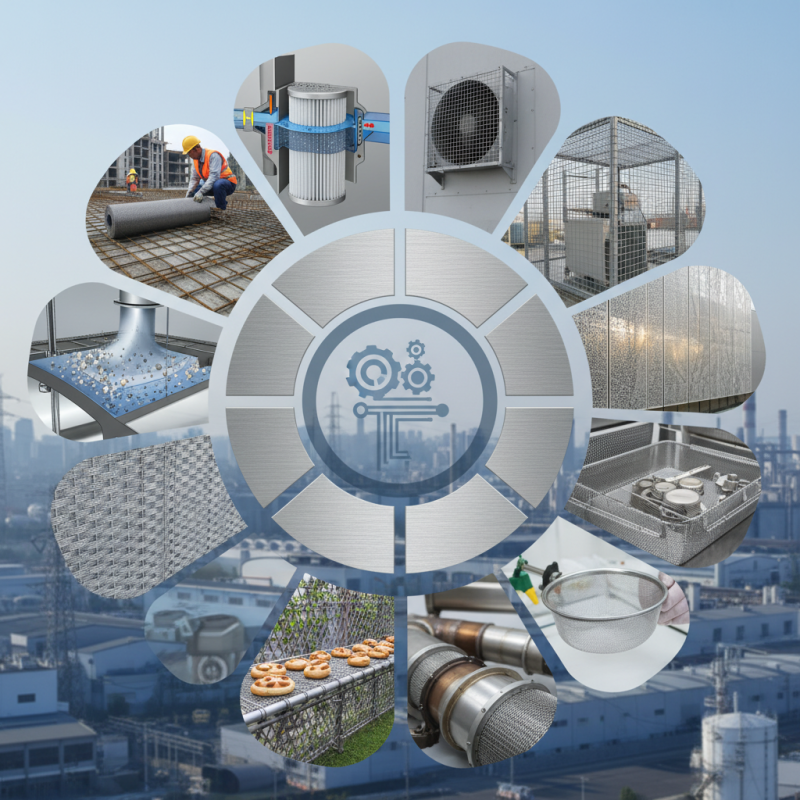
Applications of Stainless Steel Woven Wire Mesh in Filtration Industries
Stainless steel woven wire mesh is essential in filtration industries. Its durability and corrosion resistance make it suitable for demanding environments. This mesh can filter liquids and gases effectively. Various industries, such as food processing, water treatment, and oil and gas, rely on it.
In water treatment, stainless steel wire mesh ensures clean drinking water. It captures sediments and larger particles. However, the filter's maintenance can be challenging. Regular inspections are necessary to avoid blockages. Any negligence may affect water quality, which is critical.
In the food industry, the mesh helps separate solids from liquids. It is crucial in brewing, dairy, and juice production. Yet, finding the right mesh size is not straightforward. An incorrect choice can lead to inefficiencies in filtration. This inconsistency can ultimately impact product quality. Balancing efficiency and cost-effectiveness is vital for success in these applications.
Top 10 Uses of Stainless Steel Woven Wire Mesh in Filtration Industries
Role of Stainless Steel Woven Wire Mesh in Architectural Design and Aesthetics
Stainless steel woven wire mesh plays a crucial role in architectural design. It enhances both functionality and aesthetics. This material is versatile, offering unique visual appeal. Designers appreciate its ability to create complex patterns. Interestingly, the global market for stainless steel wire mesh is projected to grow by 5.5% annually, highlighting its rising popularity in architecture.
In urban settings, stainless steel mesh is often used in facades and partitions. Its durability against corrosion makes it ideal for outdoor applications. Many architects are drawn to its light-permeable nature, allowing natural light while providing privacy. A report by the International Journal of Architecture claims that incorporating stainless steel into designs can elevate property value by up to 20%.
However, some designs may appear too industrial or cold. This necessitates a balance: combining steel with warmer materials can create inviting spaces.
Moreover, maintenance remains a concern. While the mesh is resistant to rust, regular cleaning is essential to retain its shine. Some designs might not age well, losing visual appeal over time. Reflecting on these challenges, architects must innovate continuously. Engaging with stainless steel woven wire mesh can yield stunning results, despite its complexities.
Advantages of Stainless Steel Woven Wire Mesh in Food Processing and Safety
Stainless steel woven wire mesh is vital in food processing. This material offers excellent resistance to corrosion. Its hygienic properties are crucial for food safety. It prevents contamination and preserves food quality. The mesh allows proper airflow while securing food products.
Using stainless steel mesh reduces the risk of foodborne illnesses. Regular cleaning ensures it remains safe for use. However, maintenance can sometimes be overlooked. A minor lapse in cleanliness might lead to issues. Always double-check for any residues after cleaning.
Tips for using stainless steel mesh: make sure it’s properly installed. Inspect the mesh regularly for signs of wear. If you notice any damage, replace it immediately. This prevents any potential hazards. Always prioritize sanitation when handling food items.
Usage of Stainless Steel Woven Wire Mesh in Mining and Mineral Processing
Stainless steel woven wire mesh has significant applications in mining and mineral processing. This versatile material is crucial for screening and separation processes. Industry reports suggest that around 30% of stainless steel mesh production is dedicated to the mining sector. This reflects the mesh's durability and resistance to harsh environments.
In mineral processing, stainless steel mesh helps in sorting minerals effectively. It prevents contamination and maintains material purity. According to a recent study, using woven wire mesh can increase recovery rates by up to 15%. This ensures more efficient operations for mining companies.
However, not all operations utilize the optimal mesh size. Some may overlook specific requirements, affecting overall efficiency. The right choice of wire diameter and mesh opening size can drastically change outcomes. Furthermore, maintenance of the mesh is often neglected, leading to premature wear. Balancing these factors is essential for maximizing productivity and minimizing costs.
Impact of Stainless Steel Woven Wire Mesh on Industrial Manufacturing Efficiency
Stainless steel woven wire mesh plays a crucial role in industrial manufacturing efficiency. This material is durable and resistant to corrosion, making it ideal for various applications. In factories, it is commonly used for filtering and separation processes. The fine mesh allows for precision, which is essential in quality control. This contributes to higher productivity levels.
However, the effectiveness of woven wire mesh depends on its proper application. If not used correctly, it can lead to material wastage. For instance, improper mesh sizing may result in product losses during filtration. This often requires further refinement, slowing down the process. Even a small error can significantly impact overall efficiency.
Moreover, maintenance is a key factor. Regular cleaning and inspections ensure optimal performance. Neglecting these tasks can lead to clogging, which hampers output. The impact of stainless steel woven wire mesh is profound, yet organizations must continually assess its usage for improvements. Such reflection can lead to better productivity and reduced waste.