Top 10 Uses of Hydroxypropyl Methylcellulose HPMC Powder?
hydroxypropyl methylcellulose hpmc powder is a versatile compound widely used across various industries. Its unique properties make it essential in pharmaceuticals, construction, and food production. In the pharmaceutical realm, HPMC acts as a thickening agent. It ensures the proper consistency of medications, enhancing their effectiveness and patient compliance.
In construction, hydroxypropyl methylcellulose hpmc powder serves as an important additive in mortar and cement products. It improves workability and increases water retention, ensuring strong bonding. The food industry also benefits from HPMC. It acts as a stabilizer and emulsifier, contributing to improved texture and shelf life of various products.
While HPMC is widely regarded for its benefits, its use requires careful consideration. Sourcing high-quality HPMC can be challenging. Not all suppliers meet the necessary standards for purity and effectiveness. Understanding the right applications and dosages is also crucial to avoid any adverse effects. As industries evolve, the demand for refined applications of hydroxypropyl methylcellulose HPMC powder continues to grow.
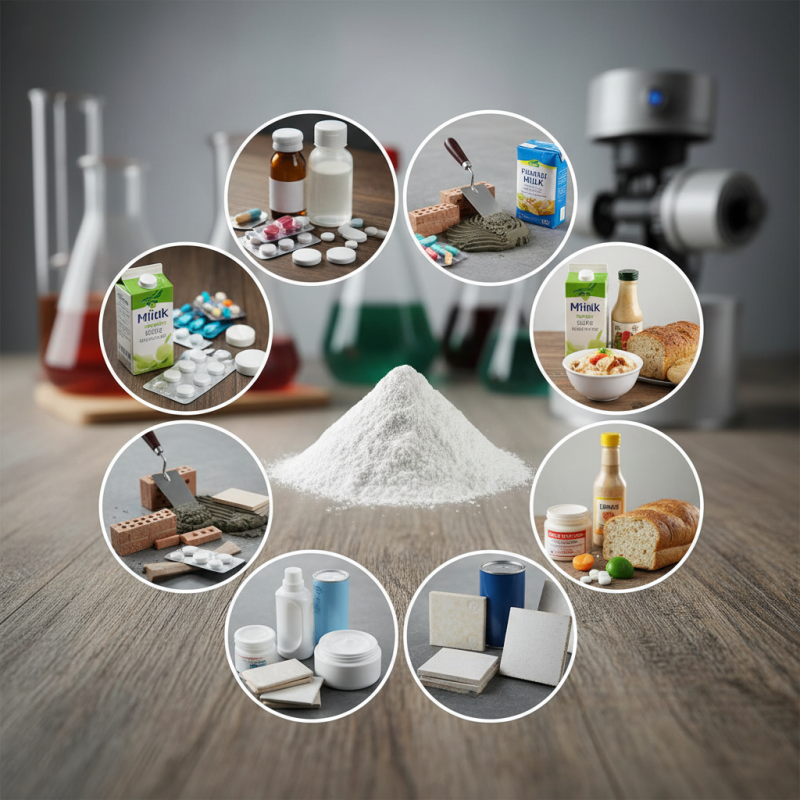
Overview of Hydroxypropyl Methylcellulose (HPMC) Powder Applications
Hydroxypropyl Methylcellulose (HPMC) is a versatile, water-soluble polymer. Its applications span various industries, providing essential functionality in many products. According to a recent industry report, the global HPMC market is projected to reach USD 3 billion by 2026, driven by its extensive use in construction, food, and pharmaceuticals.
In construction, HPMC enhances the performance of cement, tile adhesives, and plaster. It improves workability, water retention, and paste cohesion. This leads to stronger, more durable end products. With the rise of green building practices, HPMC's role in sustainable solutions is gaining attention. In pharmaceuticals, HPMC serves as a drug delivery agent and binder in tablet formulations. Its ability to control the release of active ingredients makes it a critical component in many medications.
**Tip:** When using HPMC in formulations, test various concentrations. This can help determine the best balance between viscosity and application performance.
In the food industry, HPMC acts as a thickening and stabilizing agent. It is often found in sauces, dressings, and baked goods. Its ability to form gels and maintain moisture improves texture and shelf life. However, overuse can lead to undesirable changes in taste and mouthfeel. Understanding the right dosage is crucial for optimal results.
**Tip:** Always conduct sensory evaluations when formulating food products with HPMC. This will ensure palatability and consumer satisfaction.
HPMC in Pharmaceuticals: Formulations and Drug Delivery Systems
Hydroxypropyl Methylcellulose (HPMC) plays a vital role in pharmaceuticals, especially in formulations and drug delivery systems. This versatile polymer enhances the performance of medications. According to a recent industry report, the global demand for HPMC in pharmaceuticals is expected to grow at a CAGR of 5.4% through 2026. This growth underscores the increasing reliance on HPMC for improving drug solubility and stability.
HPMC is essential in controlled-release formulations. It regulates the release of active ingredients over time, leading to better patient compliance. A study published in the International Journal of Pharmaceutics highlights that HPMC-based systems can improve bioavailability significantly. This attribute is crucial for poorly soluble drugs, which make up approximately 40% of currently marketed medications. Understanding this can drive innovation in drug formulation.
Tips: When considering HPMC, remember its ability to modify viscosity and provide texture in formulations. The right concentration is key; too much can lead to inconsistencies. Regular testing and optimization of formulations are necessary to ensure efficacy. It's essential to take patient experience into account; sometimes, specific formulations may not deliver the expected outcomes. Be aware that not all drugs are suitable for HPMC-based systems.
Role of HPMC in Food Industry as a Thickening Agent
Hydroxypropyl Methylcellulose (HPMC) is widely recognized in the food industry for its thickening properties. Used as a stabilizer, it enhances texture and consistency in various food products. HPMC provides a desired viscosity, allowing sauces and soups to cling to food better. This leads to an improved mouthfeel, which is crucial in culinary applications. Its ability to retain moisture is another key feature, making it valuable in baked goods.
Tips: When using HPMC, always start with smaller quantities. Gradually increase to avoid over-thickening. This helps in achieving the right consistency.
Another significant role of HPMC is as a fat replacer. In lower-fat products, it mimics the creamy texture typically provided by fats. This can help reduce calorie content without compromising taste. However, achieving the perfect balance requires experimentation. Sometimes, settings react differently based on temperature and other ingredients.
Tips: Keep a journal of your measurements during trials. This can help you find the ideal formulation for your specific needs. Always test batches before scaling up production to ensure quality.
HPMC in Construction: Enhancing Adhesion and Workability
Hydroxypropyl Methylcellulose (HPMC) is a versatile polymer widely used in construction. Its ability to enhance adhesion and workability makes it essential in various applications. Research indicates that HPMC can increase adhesive strength by up to 25%. This improves the bond between materials, leading to more durable constructions.
In tile adhesives, for instance, HPMC contributes to better water retention. This property allows for extended open time during installation. A report from the Construction Chemical Association highlights that nearly 60% of contractors prefer HPMC-infused products for their superior performance. Additionally, HPMC reduces the risk of sagging during the application, ensuring a uniform finish.
Tips: Always test HPMC with different mixtures to find the best ratio for your project. Monitor the consistency and adjust if necessary. A small change can make a significant impact. Remember, using too much HPMC may lead to reduced flexibility in your application. Balancing its use is crucial for optimal results.
Cosmetic Applications of HPMC: Stabilizers and Emulsifiers
Hydroxypropyl Methylcellulose (HPMC) plays a crucial role in cosmetic formulations. As a thickening agent, it helps create a desirable texture. Its ability to hold moisture is invaluable, especially in creams and lotions. Many formulators rely on HPMC for its stabilizing properties. This ensures that emulsions remain mixed, preventing separation.
In applications like shampoos and conditioners, HPMC enhances viscosity. It allows for a richer feel without heaviness. This balancing act is essential in delivering a pleasant user experience. However, not all HPMC grades perform the same. It's vital to select the right type based on product needs. Misjudging this can lead to unsatisfactory results.
Utilizing HPMC as an emulsifier also warrants consideration. It binds oil and water, promoting stability in products. While it excels in many formulations, challenges remain. For instance, maintaining consistency can be tricky. Adjustments might be necessary based on environmental factors. Experimentation is often required to achieve the perfect formulation. Embracing these challenges can lead to innovative and effective cosmetic products.