Top 10 Tips for Choosing the Best Pkcell 18650 Battery?
When choosing a battery, the Pkcell 18650 Battery stands out for its performance. According to recent industry reports, lithium-ion batteries, like the 18650, hold about 70% of the market share in portable energy solutions. With their high energy density and long cycle life, they are widely used in various applications, from laptops to electric vehicles. However, not all 18650 batteries are equal.
Many consumers overlook critical factors in their selection process. Battery quality can dramatically affect device performance. In fact, poor-quality cells can lead to diminished energy output and quick depletion. This is concerning, especially in high-drain devices. Relying solely on brand reputation may not suffice. The pricing variability across different models can also be a red flag.
Choosing the right Pkcell 18650 Battery requires careful consideration. Users should pay attention to specifications like capacity and discharge rates. Researching trusted reviews can illuminate potential shortcomings of certain brands. A well-informed decision can enhance your experience significantly, so investing time in understanding these factors is crucial.
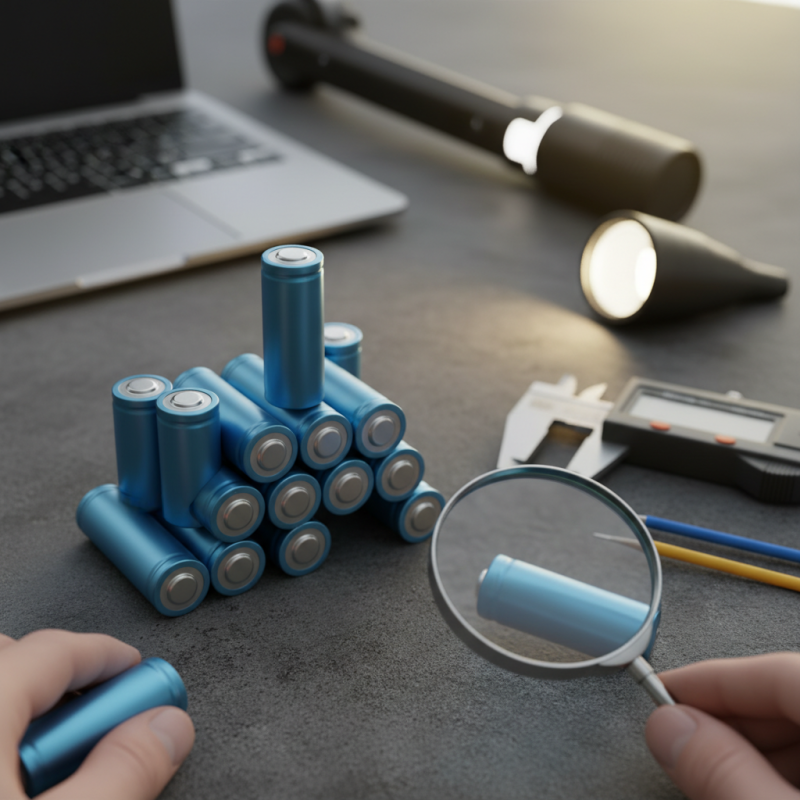
Key Specifications to Consider When Selecting Pkcell 18650 Batteries
When selecting Pkcell 18650 batteries, key specifications play a crucial role. First, check the capacity, measured in milliamp hours (mAh). Higher mAh ratings generally mean longer usage time. But, a larger capacity might impact the battery's weight. This trade-off is vital for portable applications.
Next, consider the discharge rate. This rating indicates how quickly a battery can deliver power. A higher discharge rate is essential for high-drain devices. However, it can lead to faster depletion of the battery. Look for a balance that suits your usage needs.
Another point is the battery's voltage, usually around 3.7V for 18650 cells. Consistency in voltage is necessary for performance. Lastly, pay attention to safety features. Overcharge protection and thermal regulation are important. These specifications may help prevent mishaps during operation. While choosing, you might overlook some of these details. Reflecting on them can enhance your purchasing decision.
Understanding the Importance of Battery Capacity in Performance
When selecting the right battery, capacity plays a crucial role in performance. Battery capacity is typically measured in milliampere-hours (mAh). A higher mAh rating often indicates longer usage time. For example, a battery with 3000 mAh can last significantly longer than one with 1500 mAh under similar conditions. However, it’s essential to consider that not all devices can utilize the full capacity.
Many manufacturers report that a battery's performance can degrade over time, affecting its effective capacity. A study showed that after 300 charge cycles, a lithium-ion battery could lose up to 20% of its original capacity. This drop can lead to unexpected device shutdowns, particularly during demanding tasks. Regular monitoring is advisable to ensure optimal performance.
Choosing the correct voltage is equally important. Mismatched voltage can lead to reduced efficiency and potential damage. Many users overlook this critical aspect. This gap in understanding can result in frustration and wasted resources. The need for proper education in battery specifications cannot be understated. Without awareness, even a seemingly ideal battery may not deliver the expected performance.
Evaluating Discharge Rates: How It Affects Battery Efficiency
When choosing the right 18650 battery, discharge rates play a crucial role. A battery's discharge rate affects its performance and efficiency. High discharge rates mean the battery can deliver power faster. This is essential for devices that require quick bursts of energy. However, higher rates can also generate more heat. This might degrade battery life over time. It’s important to find a balance between power and longevity.
Consider how you will use the battery. Will it power a flashlight or an electric bike? Different applications require different discharge capabilities. For example, a flashlight might need a steady discharge, while an electric bike needs short, high bursts. Evaluate your needs carefully. Check the specifications before making a purchase.
Tip: Look for batteries that indicate their continuous discharge rating (CDR). This will give you a good idea of their capabilities. Another tip is to keep an eye on reviews. Users often share experiences about performance and safety. Remember, a well-rated battery may still underperform if misused. Quality matters, but usage also determines efficiency. Understanding these factors will guide you to make a better choice.
Evaluating Discharge Rates: Impact on Battery Efficiency
Assessing Safety Features: Ensuring Protection in 18650 Batteries
When selecting any 18650 battery, safety features should be a top priority. Check if the battery includes built-in protection against overcharging. Overheating can cause damage or even failure. Look for thermal fuses as an added layer of security. Additionally, reinforced battery casings can help prevent physical damage during regular use.
It’s essential to assess the battery’s discharge rates. Some batteries may not perform well under heavy loads. If frequently used in high-drain devices, choose those with robust discharge protections. Know that inconsistently rated batteries can lead to unwanted surprises. Pay attention to the battery’s short-circuit protection as well. This feature can help prevent accidents that could otherwise result in fires.
Always verify that the batteries have passed safety certifications. Labels and documentation should indicate compliance with safety standards. However, do not rely solely on these indicators. Conducting personal research can uncover hidden issues. User reviews often reveal insights not found elsewhere. Ultimately, selecting a safe battery requires thoughtful consideration and thorough inspection.
Comparing Brand Reputation and Quality: The Pkcell Advantage
When it comes to battery selection, brand reputation plays a crucial role. A reputable brand ensures consistent quality and performance. The market offers many options, but not all batteries meet high standards. A brand known for reliability often provides safer and more efficient products. This builds trust with users.
When choosing a battery, consider performance metrics carefully. Look for batteries with high capacity ratings. A battery with a higher mAh rating can often last longer. However, be aware that not all ratings are accurate. Some brands inflate their numbers. This brings us to the next tip: always check user reviews.
Read what real users say about their experiences. Feedback can highlight potential issues or strengths. Additionally, inspect warranty policies. A good warranty reflects confidence in quality. It’s worth paying attention to these details. Remember, the cheapest option isn’t always the best. Balancing cost with quality is essential for a long-term investment.