Top 5 Tips for Choosing a Flammable Safety Cabinet?
In workplaces where flammable materials are present, safety is a primary concern. The right Flammable Safety Cabinet can make a significant difference in preventing hazardous incidents. According to the National Fire Protection Association (NFPA), improper storage of flammable liquids accounts for a large portion of workplace fires. More than 20% of all workplace fire incidents involve flammable substances. Choosing the correct cabinet is crucial for protecting both lives and property.
Understanding industry standards is essential. The OSHA (Occupational Safety and Health Administration) mandates specific guidelines for flammable storage. Compliance ensures that your facility meets safety regulations while reducing potential liabilities. An effective Flammable Safety Cabinet is more than just a metal container; it plays a critical role in your overall safety strategy. The goal is to mitigate risks associated with flammable liquids.
Selecting a Flammable Safety Cabinet requires careful consideration of various factors. Many users overlook key features, which can be detrimental in an emergency. Ensuring proper ventilation, robust construction, and correct sizing can significantly enhance safety. Inadequate attention may lead to unfortunate results. By prioritizing reliability and expert advice, organizations can improve their safety posture and protect their workforce.
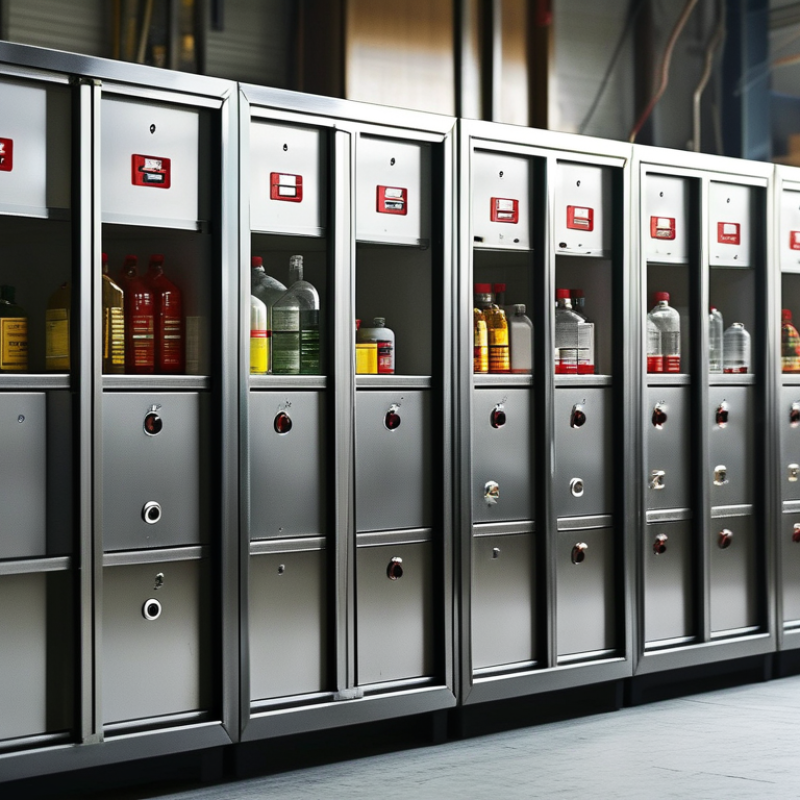
Understanding Flammable Safety Cabinets: Key Features to Consider
When selecting a flammable safety cabinet, understanding key features is essential for ensuring safety and compliance. Look for materials that are durable and resistant to fire. Steel construction is often recommended, providing a strong barrier against flames. Ensure that the cabinet has a three-point locking system. This feature enhances security and helps prevent unauthorized access.
Another important aspect is the cabinet's size and capacity. It should fit your storage needs without overcrowding. Consider adjustable shelves for versatile storage options. Easy access to your materials is crucial. Additionally, check for proper ventilation features. Adequate airflow prevents pressure buildup and reduces fire risks.
Regulations can change, so stay informed about local safety requirements. Each facility has unique needs, which may affect your choice. Regular safety audits can highlight potential flaws in your cabinet selection process. This reflection helps keep safety paramount.
Assessing Storage Capacity and Size of the Safety Cabinet
When selecting a flammable safety cabinet, assessing storage capacity and size is crucial. Consider the volume of flammable materials you intend to store. It’s essential to choose a cabinet that accommodates all your items without overcrowding. An overcrowded cabinet can lead to safety hazards. Ensure it can hold the required containers safely, providing enough space around them for ventilation.
Think about the dimensions of the cabinet. The size should fit comfortably in your workspace. Too large a cabinet may waste space, while one that’s too small can hinder accessibility. Measure the area where you plan to place the cabinet. This allows for an efficient workflow. The cabinet should not obstruct passages or create hazards in tight spaces.
A key tip when assessing your needs is to categorize your materials. Grouping similar items can help maximize organization. Make sure to account for future needs as well. Unexpected deliveries or additional materials can require reevaluating your cabinet choice. Analyze your storage practices periodically. This reflection can prevent overcrowding and ensure compliance with safety regulations.
Evaluating the Material and Construction for Durability
When selecting a flammable safety cabinet, evaluating the material and construction is crucial for ensuring durability. According to the National Fire Protection Association (NFPA), over 7,000 workplace fires happen each year due to improper storage of flammable materials. A well-constructed cabinet can significantly mitigate these risks.
A cabinet made from steel offers strong protection against potential internal fires. Look for models with double-walled construction and insulating gaps. These features enhance fire resistance, as documented in the Occupational Safety and Health Administration (OSHA) standards. Inspect seams, hinges, and shelves for quality manufacturing. Poor construction can lead to cabinet failure under stress.
Ensure the cabinet has a reliable locking mechanism. This keeps dangerous materials secure and reduces unauthorized access. A cabinet's finish can also impact durability. Powder-coated finishes resist scratches and corrosion better than standard paint. Evaluate how these factors contribute to safety. User reviews and industry reports often highlight cabinets that withstand the test of time and usage.
In evaluating your options, reflect on your unique storage needs. Consider both the materials used and the construction quality. Balancing these factors can prevent future hazards and enhance compliance with safety regulations.
Compliance with Safety Regulations and Standards
When selecting a flammable safety cabinet, compliance with safety regulations and standards is crucial. According to the National Fire Protection Association (NFPA), proper storage of flammable liquids can significantly reduce fire hazards in workplaces. It's essential to ensure that the cabinet meets industry standards, such as those set by OSHA and NFPA. Make sure to check if the cabinet is labeled as compliant with these regulations.
The size and design of the cabinet also play a role in compliance. A cabinet should have proper ventilation and a reliable locking mechanism. Many safety cabinets are now built with features that enhance their efficiency and safety. For example, a certified cabinet usually includes double-walled construction, which can withstand high temperatures for a certain period. Statistics from a recent OSHA report indicate that, when properly maintained, compliant cabinets reduce the risk of hazardous incidents by at least 30%.
Another element to consider is the cabinet's capacity. It must be appropriate for the volume of flammable materials stored. Using cabinets that are too small can lead to overcrowding, increasing risks. The cabinets should adhere to the limits defined by safety standards while ensuring they’re accessible. Regular inspections and updates to compliance are necessary. An estimated 20% of workplaces fail during audits due to non-compliance issues.
Additional Features for Enhanced Safety and Usability
When selecting a flammable safety cabinet, the right features can significantly enhance both safety and functionality. One key aspect to consider is the cabinet's visibility. Transparent doors can provide easy monitoring of contents without opening the cabinet. This feature can prevent potential hazards during the retrieval of flammable materials. Additionally, adjustable shelves improve usability, allowing you to customize the interior space based on your storage needs. This flexibility can help keep smaller items organized and easily accessible.
Temperature control is another important feature. Cabinets with built-in temperature monitoring systems help in maintaining safe conditions for stored substances. If the temperature rises too high, alarms can alert personnel before a potentially dangerous situation develops. Furthermore, cabinets with secondary containment systems offer added protection against spills. Even small spills can lead to significant safety concerns, so having a design that contains these events is beneficial. Reflecting on the importance of these features reminds us that investing in quality safety cabinets is not just about compliance—it is about creating a safer environment for all.