Top Rubber Parts in Pumps for Global Sourcing Needs?
In the world of fluid dynamics, the role of Rubber Parts in Pumps cannot be overstated. According to a recent industry report by Grand View Research, the global pump market is expected to reach $80 billion by 2025. This growth drives demand for high-quality rubber components that ensure reliability and efficiency. Rubber parts, such as seals and gaskets, often determine the lifespan and performance of pumps used in various sectors, including manufacturing and transportation.
However, not all rubber parts are created equal. Industry experts highlight that poor-quality materials can lead to premature failures. In critical applications, even minor leaks can cause significant operational disruptions. Moreover, selecting the right rubber formulation is vital. It shouldn't simply focus on cost-effectiveness but also on temperature resistance and chemical compatibility. Thus, understanding the specific requirements of each application can greatly enhance the overall performance of pumps.
While advancements in material science have improved the durability of rubber components, challenges persist. For instance, environmental factors can degrade rubber over time. Thus, continuous innovation and rigorous testing are crucial. The challenge lies in balancing quality with sourcing needs. As global sourcing demands evolve, stakeholders must be cautious in choosing suppliers who prioritize both performance and integrity in their rubber parts.
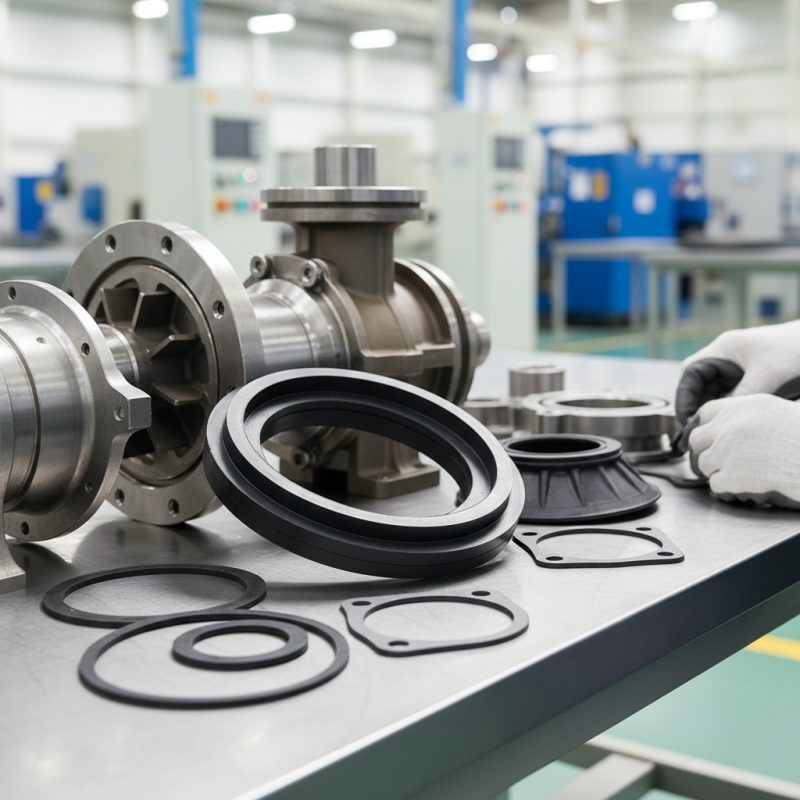
Overview of Rubber Components in Pump Systems
Rubber components play a crucial role in pump systems. They ensure operational efficiency and longevity. These parts, such as seals and gaskets, prevent leaks and maintain pressure. Many pumps rely on rubber to absorb vibrations too. This helps protect both the pump and the connected machinery.
The variety of rubber materials available is vast. Each type offers unique properties, like resistance to chemicals or enhanced flexibility. However, not all rubber parts perform equally well in every application. It’s essential to select the right rubber composition for specific environments. Over time, rubber can degrade, leading to system failures. Regular inspection is vital.
Choosing reliable sources for rubber parts is challenging. Factors like quality assurance and testing should be considered. Sourcing globally opens up options but can introduce inconsistencies. It's critical to validate suppliers and their products. Overall, while rubber components are indispensable, understanding their limitations is equally important.
Top Rubber Parts in Pumps for Global Sourcing Needs
Types of Rubber Materials Used in Pump Parts
When considering pumps, the material of the rubber parts plays a vital role. Different rubber materials cater to various needs, enhancing functionality and durability. Natural rubber is well-known for its flexibility but lacks resistance to chemicals. On the other hand, synthetic rubbers like Nitrile or Neoprene offer excellent resistance to oils and weather, making them preferable in various industrial settings.
Silicone rubber stands out in high-temperature applications. Its extreme flexibility and stability over a wide range of temperatures make it a reliable choice. However, silicone may not be compatible with all chemicals. Additionally, polyurethane rubber combines the best properties of natural and synthetic rubbers. It provides superior abrasion resistance but carries a higher cost.
Choosing the right rubber material is not always straightforward. Factors like temperature ranges, chemical exposure, and mechanical stress must be weighed. Sometimes, the choice leads to unforeseen challenges. A material that works well in theory can fail in practice. Thus, ongoing testing and adaptations are necessary to ensure optimal performance in pump applications.
Key Applications of Rubber Parts in Global Pump Manufacturing
Rubber parts play a crucial role in the performance of global pump manufacturing. These components are essential for sealing, damping, and reducing vibrations. In many pump systems, O-rings and gaskets are common rubber components that prevent leaks and ensure efficiency. Their effectiveness often depends on the materials used and the conditions they operate under.
The applications of rubber parts in pumps extend across various industries. For example, in water treatment facilities, rubber seals help maintain pressure and protect against contaminants. In chemical processing, resistant rubber materials can withstand harsh substances, ensuring longevity. However, sourcing the right quality can sometimes be challenging. Not all rubber parts are created equal, and the choice of material may affect pump reliability.
Some manufacturers face difficulty in finding suppliers that meet strict industry standards. It's a reminder to thoroughly evaluate sourcing partners. Ensuring quality control is essential, particularly in critical environments. Proper testing and validation of rubber components should not be overlooked.
Balancing cost-effectiveness and reliability remains an ongoing challenge in the industry. Making informed decisions can significantly impact pump performance and lifespan.
Factors Influencing the Selection of Rubber Parts for Pumps
When selecting rubber parts for pumps, several factors come into play. The type of pump dictates the material requirements. For instance, high-temperature environments require specialized rubber compounds. Compatibility with the fluid being pumped is equally crucial. Incompatible materials can lead to degradation and pump failure.
The operating environment also affects rubber choice. Factors like ozone exposure, UV light, and temperature fluctuations can wear down rubber quickly. Always consider the specific conditions where the pump will operate.
Tips: Identify the fluid's chemical properties. This helps ensure rubber selection aligns with safety standards. Regular maintenance checks can prevent unexpected failures. Always verify your suppliers’ credentials for reliable sourcing. Quality over quantity is essential.
Emerging Trends in Rubber Technology for Pump Applications
The application of rubber components in pumps is evolving rapidly. Emerging trends in rubber technology are addressing specific challenges in pump efficiency and durability. Materials are now being developed to withstand higher temperatures and extreme pressures. These advancements can improve the lifespan of pump parts significantly.
One exciting development is the use of filled elastomers. These materials can enhance performance while reducing costs. However, balancing cost and quality remains a challenge. Often, compromises can lead to parts that do not perform optimally. Rubber compounds are also becoming more environmentally friendly. Innovations focus on recyclable materials. This trend reflects a growing commitment to sustainability in the industry.
Trends like 3D printing of rubber parts are gaining attention. This method allows for rapid prototyping and customization. It offers flexibility but can introduce variability in production quality. Monitoring and quality assurance become paramount. Reliable sourcing of rubber parts is crucial. Embracing these trends offers opportunities but also requires careful consideration of performance standards and long-term reliability.