Top 10 Orthopedic Implants You Should Know About?
orthopedic implants play a crucial role in modern medicine. Dr. John Smith, a leading orthopedic surgeon, emphasizes their importance: "The right implant can transform a patient's life." As we explore the top ten orthopedic implants, it's essential to understand their impact on healing and recovery.
These devices are not just metal and plastic. They are engineered to restore function. Each implant serves a unique purpose, from joint replacement to fracture fixation. However, it's vital to recognize that not every implant is a perfect fit for every patient.
The industry continually evolves, introducing innovations and refinements. Yet, some implants have had mixed results. This underscores the importance of personalized treatment and thorough consultations. Each patient's needs are different, and the journey to optimal recovery can be complex. Understanding these implants can empower both patients and practitioners.
Overview of Orthopedic Implants and Their Importance
Orthopedic implants are crucial in supporting recovery from injuries and surgeries. These devices restore function and reduce pain. They can be made from various materials, including metals and polymers. Implants are designed to mimic natural bone structure. They help patients regain mobility and enhance quality of life.
Tips: When considering implants, consult your healthcare provider. Every case is unique. Research the types of implants available. Not all options work for everyone. Understanding potential risks is essential. Sometimes, complications arise, and discussion is key.
Implants can help with fractures, joint replacements, and spinal issues. Advances in technology lead to more effective designs. However, not every implantation is successful. Some patients face infections or rejection. It’s important to weigh the benefits against the risks. Knowing what to expect can aid in making informed decisions.
Top 10 Orthopedic Implants You Should Know About
This chart illustrates the usage frequency of the top 10 orthopedic implants based on the estimated number of procedures performed annually. Understanding these implants can enhance awareness of their significance in orthopedic surgery.
Types of Common Orthopedic Implants Used in Surgery
Orthopedic implants are crucial in modern surgeries. They restore mobility and enable better quality of life for patients. The market for orthopedic implants is expanding rapidly. According to a report by the Global Institute of Health Metrics, the orthopedic sector could reach USD 62 billion by 2025. This growth indicates a rising need for effective solutions in musculoskeletal health.
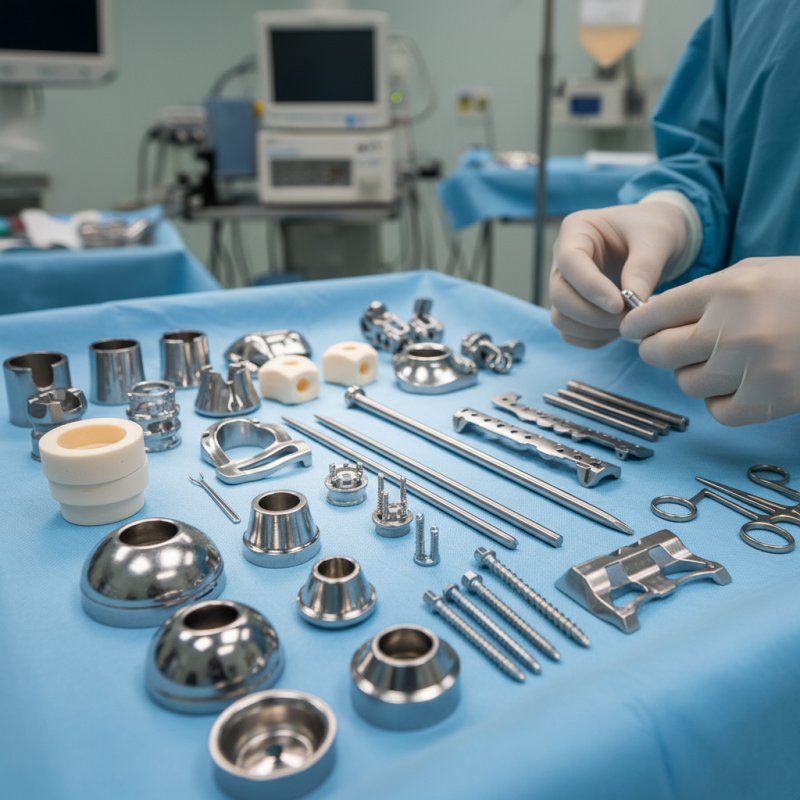
Common types of orthopedic implants include screws, plates, and joints. Screws secure bones during healing. Plates provide stability to fractured bones. Joints, like hip or knee implants, replace damaged areas. These devices must be durable yet lightweight. A study published in the Journal of Orthopedic Research highlights that improper implant selection can lead to complications. Patients may experience discomfort or post-surgical issues due to inadequate designs.
Materials used in implants impact success rates. Titanium and polymers are popular choices. However, they may carry risks of rejection or infection. About 2% to 3% of patients report complications post-surgery. This number urges ongoing research into material safety and better designs. Monitoring long-term outcomes remains essential for improving orthopedic care. The future of orthopedic implants relies on innovation and patient-centered approaches.
Factors Influencing the Selection of Orthopedic Implants
When selecting orthopedic implants, several factors come into play. The patient's age, activity level, and overall health are crucial. Younger patients may require more durable options, while older patients might prefer implants with a lower profile for less stress on their bones. Specific considerations on bone quality and density should not be overlooked either. Surgeons must evaluate the compatibility of the implant material with the patient's biological makeup.
Surgeons also look at the type of injury or condition. For instance, fractures may need different solutions compared to joint replacements. The surgeon’s experience and preferences factor into the decision too. There’s always a balance between innovation and tried-and-true methods. Not every choice is straightforward, and sometimes complications arise. Knowing the potential for adverse outcomes is essential. Patients should discuss these intricacies with their doctors to make informed choices.
Emerging Technologies in Orthopedic Implant Design
The landscape of orthopedic implants is rapidly changing. Emerging technologies are driving innovation in design and materials. Advanced 3D printing techniques are enabling the creation of complex shapes. Custom implants tailored to individual patient anatomy can enhance healing and integration.
Recent studies indicate that bioactive coatings on implants can improve osseointegration. Data shows that up to 70% of patients with such implants experience faster recovery. However, challenges remain. The long-term effectiveness of some new materials is still under scrutiny. Researchers are exploring alternatives like biodegradable scaffolds, yet real-world applications often lack.
Data from industry reports highlight a growing trend toward patient-specific implants. In 2022, this market segment grew by 15%. Despite the promise, high costs and regulatory hurdles persist. Only a fraction of innovative designs make it to clinical use. Continuous research and collaboration are key to overcoming these obstacles.
Future Trends in Orthopedic Implants and Patient Care
The orthopedic implant market is rapidly evolving. New technologies are transforming how procedures are performed and how patients recover. According to a recent market report, the orthopedic implant market is projected to reach $60 billion by 2027. This growth is driven by innovations in implant design and materials that enhance patient outcomes.
One significant trend is the rise of 3D printing in implant production. This technology allows for custom implants tailored to individual patient anatomy. However, the regulatory landscape poses challenges. Ensuring these new implants meet safety standards takes time and resources. Surgeons and manufacturers must collaborate closely to bridge this gap.
Another area of focus is patient-centered care. The shift towards personalized medicine emphasizes understanding patient needs. This approach is essential but can be difficult to implement in busy clinical settings. Despite advancements, communication gaps still exist between patients and healthcare providers. Improving this dialogue is crucial for successful outcomes. Addressing these challenges will shape the future of orthopedic care.