2026 Top New Machinery Trends What to Expect?
In the rapidly evolving world of "Maquinarias Nuevas," industry experts suggest noteworthy trends that will shape the future. One prominent figure, Dr. Juan Rodriguez, a leading authority in machinery innovation, once stated, "The future of machinery relies on smarter technologies and sustainable practices." This insight captures the essence of the upcoming transformations we can expect by 2026.
As the machinery sector progresses, smart technologies are embracing automation. Advanced robotics, AI integration, and IoT are at the forefront of these developments. Machines will become increasingly intuitive, enhancing efficiency and productivity. Environmental sustainability in "Maquinarias Nuevas" can't be overlooked. Eco-friendly materials and energy-efficient designs are becoming essential. Yet, there's a challenge: how do we balance innovation with accessibility?
The landscape of "Maquinarias Nuevas" is uncertain, and trends emerge and fade. Companies may rush to adopt new technologies, potentially overlooking their implications. It's crucial to reflect on what innovations mean for workers and the environment. Engaging deeply with these trends leads to a better future, but we must tread carefully.
Emerging Technologies Shaping the Future of Machinery in 2026
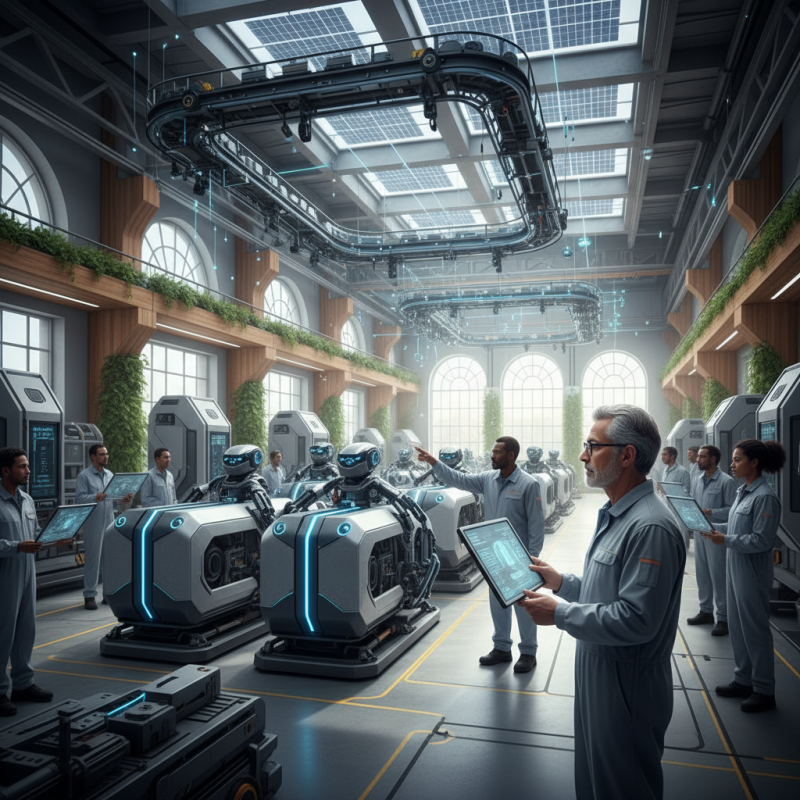
As we look toward 2026, emerging technologies will significantly reshape the machinery industry. Automation stands at the forefront, streamlining operations and enhancing efficiency. Robots are becoming more adaptable, capable of handling diverse tasks. These machines will work hand-in-hand with human operators, leading to safer and more productive workplaces.
Another crucial trend is the integration of artificial intelligence. AI systems can analyze data in real-time, optimizing machine performance. This allows for predictive maintenance, reducing downtime and unexpected failures. However, relying heavily on AI raises challenges. It's essential to balance technology with human insight to avoid overdependence.
Sustainability is also becoming a driving force. Eco-friendly designs and energy-efficient machines are on the rise. While these innovations are promising, they often come with higher upfront costs. Many companies struggle to justify these expenses in the short term. However, the long-term benefits could outweigh these initial hurdles, pushing the industry toward greener solutions.
Sustainability and Eco-Friendly Innovations in New Machinery Trends
Sustainability is reshaping the machinery landscape for 2026. Eco-friendly innovations are at the forefront. According to a recent industry report, 70% of machinery manufacturers are investing in sustainable technologies. This shift reflects a growing priority on reducing environmental impact. Companies are exploring materials that have a lower carbon footprint. Biodegradable components and recycled metals are gaining traction.
Energy efficiency is another critical focus. A study shows that energy-conscious machinery can reduce operating costs by up to 30%. This presents an opportunity for firms to enhance their competitive edge. However, implementing these innovations can be challenging. Initial costs may deter some businesses. There’s a need for a balance between sustainability and profitability.
The demand for greener solutions is undeniable. Customer preferences are changing rapidly. They now favor products that contribute to a healthier planet. Machinery producers must pivot to meet these expectations. This creates a landscape of both opportunity and reflection. Are we adapting fast enough? The journey toward fully sustainable machinery must be navigated thoughtfully.
2026 Top New Machinery Trends: Sustainability and Eco-Friendly Innovations
Automation and Robotics: Transforming Industrial Processes in 2026
In 2026, automation and robotics will play a pivotal role in transforming industrial processes. Factories will integrate advanced robotics to enhance efficiency. These machines will handle repetitive tasks, reducing human error. Workers will shift towards oversight roles rather than manual labor. This transition presents both opportunities and challenges. Training will be crucial for workers to adapt to new technologies.
Tips for adapting to this change include investing in upskilling programs. Encourage employees to learn about automation tools. Creating a culture of continuous learning will benefit everyone. Ensure that the transition is gradual. Abrupt changes can lead to resistance among staff.
As robotics become more prevalent, industries must reflect on their impact. Some workers might feel threatened by automation. Addressing these concerns is vital for a smooth integration. Open discussions can help ease fears. Collaboration between technology and human workers will define success in the coming years. Building a balanced workforce is essential.
Smart Machinery: The Integration of AI and IoT in New Equipment
The integration of AI and IoT in machinery is transforming the industry. Smart machinery leverages real-time data, enhancing performance and efficiency. Imagine machines that can predict maintenance needs before a breakdown occurs. This not only saves time but also reduces costly downtime.
Let's consider how these advancements lead to better decision-making. Data collected can inform workflows and streamline operations. However, reliance on technology raises concerns. Machine errors may occur if data is misinterpreted or if systems malfunction. Striking a balance between automation and human oversight is critical.
Furthermore, the learning curve for operators can be steep. Training teams to utilize these advanced tools effectively is essential. There might be initial resistance or skills gaps. Bridging this divide will take time and resources. Embracing smart machinery is promising, yet it comes with challenges that the industry must address.
Trends in Safety Features and Ergonomics in Machinery Development
In the machinery sector, safety features are evolving rapidly. A recent report indicates that 30% of machinery accidents are due to inadequate safety measures. This statistic highlights the need for improved design. Manufacturers are focusing on integrating advanced safety technologies. These include automatic shut-off systems and enhanced guarding.
Ergonomics is another key trend. Studies show that 40% of workers experience discomfort or injuries due to poorly designed machinery. Companies are investing in user-friendly designs that reduce strain. Features like adjustable controls and better visibility are becoming standard. This shift not only enhances worker satisfaction but also boosts productivity.
While these trends are promising, challenges remain. Many manufacturers face budget constraints when upgrading safety features. The implementation of cutting-edge ergonomics can be costly and requires thorough training. Balancing innovation with practicality is essential. The future of machinery development hinges on addressing these complexities. A safe workplace should be a given, not an exception.
2026 Top New Machinery Trends What to Expect? - Trends in Safety Features and Ergonomics in Machinery Development
| Trend Category | Description | Expected Impact | Implementation Year |
| Smart Safety Systems | Integration of AI and IoT for real-time monitoring and alerts. | Reduced accidents and improved worker safety. | 2026 |
| Ergonomic Design Enhancements | Focus on user-friendly interfaces and adjustable controls. | Increased operator comfort and productivity. | 2025 |
| Automated Safety Protocols | Automation of safety checks and maintenance scheduling. | Lower downtime and enhanced reliability of machinery. | 2026 |
| Wearable Safety Technology | Devices that monitor health metrics of operators. | Proactive health management and prevention of work-related injuries. | 2026 |
| Predictive Maintenance | Use of data analytics to foresee equipment failures. | Cost savings through timely interventions. | 2025 |