Top 10 Natural Raffia Bag Manufacturers in China
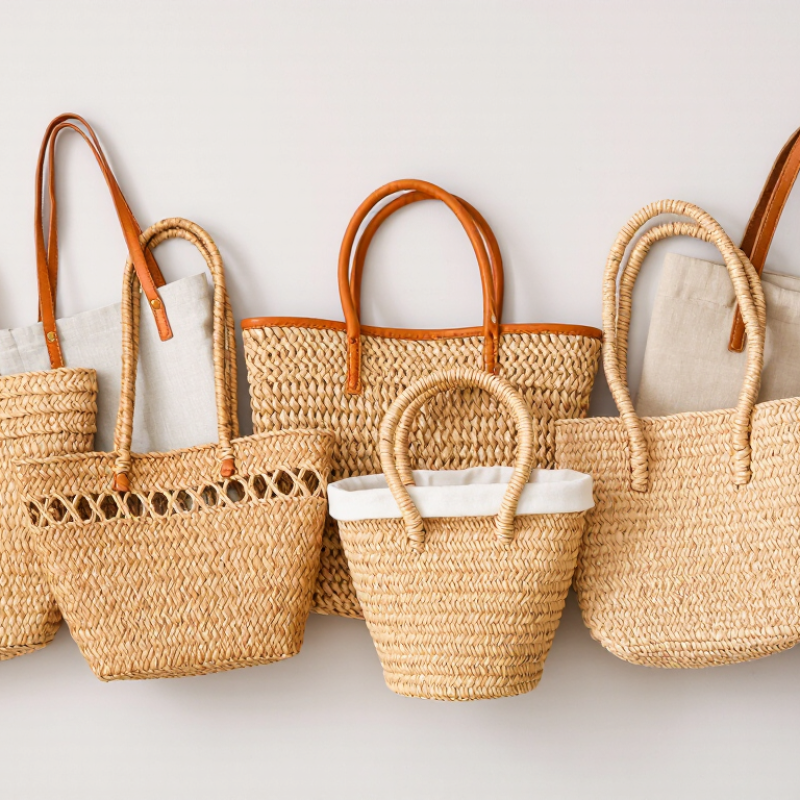
Natural Raffia Bags combine a visible plant-fiber texture with a lightweight feel, making them popular for summer totes, market bags, and resort accessories. Their natural color and hand-finished details can vary from piece to piece. That variation is part of the appeal, but it also makes consistent quality worth checking.
This guide examines ten manufacturers in China through practical sourcing questions: material claims, weaving quality, handle strength, lining, stitching, and customization options. Buyers should ask whether raffia is used throughout the bag or only as a decorative element. Requesting a sample can reveal loose fibers, uneven seams, or handles that feel less secure than expected. Small checks matter.
Fashion Revolution co-founder Orsola de Castro has said, “The most sustainable garment is the one already in your wardrobe.” Her point about keeping products in use applies to bags, too, though durability depends on design, construction, and care. A supplier’s sustainability language alone cannot prove those qualities. Ask for clear material details and product specifications, and compare answers across manufacturers.
No ranking can replace a careful conversation with a supplier. Some details may remain unclear until a sample arrives. This overview offers a starting point for identifying manufacturers, asking better questions, and choosing Natural Raffia Bags that suit your intended use.
Natural Raffia Bags in China: Fiber Sources, Weaving Methods, and HS Codes
Top 10 Natural Raffia Bag Manufacturers in China
Natural raffia bags combine plant fiber with skilled construction. Raffia usually comes from the leaves of raffia palms, which grow in tropical regions. Chinese manufacturers may import the fiber, then sort, soften, dye, and prepare it for weaving. Ask suppliers where the fiber was grown and whether it is pure raffia or blended with cotton or paper. The label “natural” can be vague. That matters.
Weaving affects both appearance and strength. Artisans may braid strands into panels, crochet them into open textures, or weave strips tightly around a shaped base. Look closely at handles, seams, and the bag’s bottom; these areas often show uneven tension first. A firm base helps the bag stand, while looser weaving creates a softer feel. Neither is automatically better. Request a sample and test it with the weight you expect it to carry.
Tips: For sourcing, ask for fiber composition, construction details, and close-up photos of seams. HS codes depend on the bag’s materials, structure, and importing country. Some plaited-fiber articles may fall under heading 4602, but that is not a universal answer. Confirm the final classification with a customs broker or the relevant customs authority before shipping. One detail can change the code.
How to Assess Manufacturers Using MOQ, Capacity, Lead-Time, and Defect-Rate Data
Top 10 Natural Raffia Bag Manufacturers in China
When comparing natural raffia bag manufacturers in China, look beyond sample quality. Ask for the minimum order quantity (MOQ) by style, color, and trim. A low MOQ can help with a trial, but it may not apply to custom dyeing or special handles. Request recent production records, not just a stated monthly capacity. Check whether those figures include other bag types and peak-season orders. Numbers need context.
Lead time should cover material preparation, sampling, production, and final inspection. Ask for a dated schedule and clarify what happens if raffia arrives uneven in color or texture. Natural fibers vary. That is normal, but the acceptable range should be agreed in writing, with reference samples and clear defect categories. Request defect-rate data from comparable orders, plus the inspection method and sample size. A single percentage without these details can be misleading. I have seen buyers focus on speed and overlook rework time; it is an easy mistake.
Tips: Compare the same bag specification across suppliers. Ask for a recent order timeline, capacity evidence, and defect records. Check how each factory handles rejected pieces. Keep the questions practical. A careful spreadsheet helps, though it cannot replace a production call.
Top 10 Natural Raffia Bag Manufacturers in China: Profiles and Product Ranges
Profiles of natural raffia bag manufacturers in China often reveal different strengths. Some workshops focus on handwoven totes, market baskets, and beach bags, while others offer compact clutches, shoulder bags, or structured designs. Product ranges may include open-weave styles, tighter patterns, cotton linings, inner pockets, and practical closures. Details matter.
A useful supplier profile should explain how raffia is selected, woven, and finished, rather than relying on attractive product photos alone. Ask whether handles are made from raffia, cotton, or another material, and check how seams and linings are secured. These details affect comfort and durability. Many makers also provide adjustments to dimensions, colors, trims, and packaging, but customization options can vary by order size and production schedule.
When comparing ten manufacturers, look for clear product specifications, sample availability, and realistic lead times. A close-up of the weave helps; so does a sample you can handle. One weakness in many online profiles is limited information about quality checks. That gap deserves attention, since natural fibers can vary in texture and shade. A small inconsistency is normal, but expectations should be discussed before production begins.
Natural Raffia Bags: Common Product Formats
A product-range overview of established natural raffia bag formats. Each bar marks a format included in this category overview; it does not represent manufacturer counts, sales, or market share.
Comparing the Top 10 by Audit Standards, Export Markets, and Production Metrics
Comparing China’s top ten natural raffia bag manufacturers requires more than checking audit certificates. Record each audit’s date, scope, facility, and corrective actions; a certificate may not cover the workshop making your order. The OECD’s Due Diligence Guidance for Responsible Supply Chains in the Garment and Footwear Sector recommends identifying and addressing risks throughout supply chains. Its principles can inform supplier checks, though raffia bags are not its specific focus. A clean audit file is not proof of perfect working conditions.
Export markets and production figures reveal different risks. Compare each supplier’s recent shipment destinations, monthly capacity, sample-to-bulk lead time, defect rate, and on-time delivery rate. Ask for figures from a defined period, plus evidence such as inspection records. UNCTAD’s Review of Maritime Transport 2024 reported that container spot rates rose about 150% from October 2023 to June 2024. For export-focused makers, that volatility makes destination experience and realistic delivery planning worth checking. Self-reported capacity can be optimistic. Verify it against a production schedule or a small trial order.
Tips: Request a dated audit summary and one recent, anonymized production record. Compare like with like: a workshop’s monthly output during peak season may differ sharply from its annual average.
| Anonymous Supplier ID | Audit Standard / Evidence | Audit Status | Export Markets | Monthly Production Capacity | Minimum Order Quantity | Typical Lead Time | Production Metrics to Verify |
|---|---|---|---|---|---|---|---|
| Supplier 01 | Request a current, site-specific social-compliance audit report. Common buyer-requested schemes include amfori BSCI and SMETA; neither should be assumed without documentation. | Not independently verified | Not publicly verified; request destination-market references and recent shipping records. | Not publicly disclosed; verify against the factory’s current capacity plan. | Not publicly disclosed; confirm by bag style, material, and customization level. | Not publicly disclosed; obtain a written sample and bulk-production schedule. | Raffia material specification, subcontracting controls, defect rate, and on-time delivery rate. |
| Supplier 02 | Request a current, site-specific social-compliance audit report. Check the audit scope, facility address, validity period, and any corrective-action plan. | Not independently verified | Not publicly verified; request destination-market references and recent shipping records. | Not publicly disclosed; verify against the factory’s current capacity plan. | Not publicly disclosed; confirm by bag style, material, and customization level. | Not publicly disclosed; obtain a written sample and bulk-production schedule. | Working capacity by process, quality-control checkpoints, rework rate, and packing capacity. |
| Supplier 03 | Request relevant audit evidence and confirm whether the report covers the actual production site and the processes used for the order. | Not independently verified | Not publicly verified; confirm target-country experience with buyer references or shipment documentation. | Not publicly disclosed; request output data for comparable bag styles. | Not publicly disclosed; obtain the MOQ separately for standard and custom designs. | Not publicly disclosed; confirm sampling, material sourcing, and production lead times separately. | Material traceability, color consistency, workmanship inspection results, and order-completion records. |
| Supplier 04 | Request a current social-compliance audit, plus evidence that any findings have been closed or are being addressed. | Not independently verified | Not publicly verified; ask for the principal destination markets and product-specific export references. | Not publicly disclosed; request a documented monthly capacity range and current utilization. | Not publicly disclosed; confirm order-size requirements in a written quotation. | Not publicly disclosed; confirm the schedule for the selected construction and order quantity. | Production-site scope, subcontracting disclosure, inspection plan, and delivery performance. |
| Supplier 05 | Request audit documentation accepted by the buyer; verify issuer, audit date, site address, and scope before treating it as valid. | Not independently verified | Not publicly verified; request evidence of shipments to the intended import market. | Not publicly disclosed; verify capacity for the requested style rather than relying on a general factory figure. | Not publicly disclosed; confirm sample, color, logo, and packaging minimums. | Not publicly disclosed; require a dated schedule for sampling and bulk production. | Raffia content and construction, dimensional consistency, workmanship defects, and packaging accuracy. |
| Supplier 06 | Request site-specific social-compliance evidence and a corrective-action summary where applicable; audit schemes are not interchangeable. | Not independently verified | Not publicly verified; validate through customer references or redacted shipping documents. | Not publicly disclosed; request capacity by process and peak-season availability. | Not publicly disclosed; confirm separately for stock designs and made-to-order bags. | Not publicly disclosed; establish lead time after sample approval and material confirmation. | Work-in-progress controls, final inspection method, defect classification, and production capacity. |
| Supplier 07 | Request the latest audit report and confirm that the audited entity is the same legal and physical production site used for the order. | Not independently verified | Not publicly verified; ask for market-specific compliance and labeling experience. | Not publicly disclosed; obtain a style-specific production estimate supported by a capacity plan. | Not publicly disclosed; confirm minimums for material, color, and customization options. | Not publicly disclosed; request a milestone schedule from purchase-order confirmation to dispatch. | Supplier traceability, batch control, defect rate, and adherence to approved samples. |
| Supplier 08 | Request an audit report or buyer-approved equivalent, including audit date, scope, findings, and follow-up status. | Not independently verified | Not publicly verified; confirm actual export destinations rather than relying on general sales claims. | Not publicly disclosed; check available capacity for the requested season and order size. | Not publicly disclosed; request a written MOQ for each design and specification. | Not publicly disclosed; verify the timeline for raw-material procurement and production. | Material inspection, workmanship standards, final random inspection, and shipment-readiness checks. |
| Supplier 09 | Request current social-compliance documentation and verify facility coverage; do not infer certification from a supplier’s general statement. | Not independently verified | Not publicly verified; request references for the relevant region and product category. | Not publicly disclosed; validate the proposed quantity through a production plan. | Not publicly disclosed; confirm any extra minimums for custom trims, labels, or packaging. | Not publicly disclosed; agree on sample approval and bulk-production dates in writing. | Change-control process, sample-to-bulk consistency, inspection records, and delivery history. |
| Supplier 10 | Request a current, site-specific audit report and check its issuer, scope, validity, and corrective-action status. | Not independently verified | Not publicly verified; validate with destination-country references and order-specific documentation. | Not publicly disclosed; request verifiable output data for comparable products. | Not publicly disclosed; confirm quantities for sampling and commercial orders separately. | Not publicly disclosed; request a written lead-time commitment for the confirmed specification. | Quality records, production-site identification, subcontracting disclosure, and on-time shipment performance. |

Supplier-level audit results, export destinations, capacity, minimum order quantities, and lead times are not treated as verified unless supported by current documentation. The entries above are an anonymized due-diligence comparison framework, not a ranking or confirmation of ten specific factories. Verify each supplier’s facility, audit scope, product specifications, and commercial figures directly before sourcing.
Export Readiness: HS 4602/4202 Classification, Testing, and Compliance Data
For buyers comparing the top 10 natural raffia bag manufacturers in China, export readiness starts with product facts, not catalog labels. A bag woven from raffia strips may fall under HS heading 4602, while heading 4202 may apply to certain carrying containers. Classification depends on construction, lining, frame, and intended use, as well as the destination country’s tariff schedule. A supplier’s suggested code is not a final ruling.
Request a bill of materials, construction photos, and a written HS rationale. Confirm the code with a customs broker or relevant authority in the destination market. Test samples for handle and seam strength, abrasion, color transfer, and moisture-related odor or mold risk. Specify the test method, sample size, and acceptance limits. “Passed” alone is weak evidence. Keep dated reports tied to the exact materials and production batch. Natural fibers vary. Paperwork can also lag behind a sample revision, so record changes before production.
Tips: Ask for fiber and coating details, care-label drafts, packing specifications, and traceability records. Check that labels and test documents match the shipped bag. Request a pre-shipment sample, especially when handles or linings have changed.