
What Are the Top Manometer Connector Types in 2026?

Choosing a Manometer Connector may seem like a minor specification. It is not. The connection affects sealing, installation time, and the reliability of pressure readings. In 2026, common choices include threaded fittings, hose barbs, push-to-connect fittings, flanges, and quick-disconnect couplings. Each works best with particular tubing, pressure conditions, fluids, and service routines. Looks alone are a poor guide.

A fitting that appears compatible may still have a different thread standard or sealing method. Check the instrument manual, thread type, tube outside diameter, pressure rating, and wetted-material compatibility before selecting one. For example, vibration, temperature changes, or frequent maintenance can influence whether a threaded joint or quick-disconnect is more practical. Small details matter.

There is no universal “top” connector for every manometer. A tidy ranking can hide real trade-offs, and this comparison cannot replace the manufacturer’s specifications or application review. The sections ahead explain where each connector type is commonly used, what to inspect, and which questions to ask before installation. A cautious choice saves rework. It can also help prevent leaks and inconsistent readings, though correct assembly still matters.
What Are the Top Manometer Connector Types in 2026?

What Manometer Connectors Are and How They Work

Manometer connectors link a pressure source to the instrument’s sensing element or fluid column. They guide air, gas, or liquid through a sealed path, allowing the device to compare pressure with a reference. In a differential manometer, two ports carry the separate pressures being measured. Small parts matter.

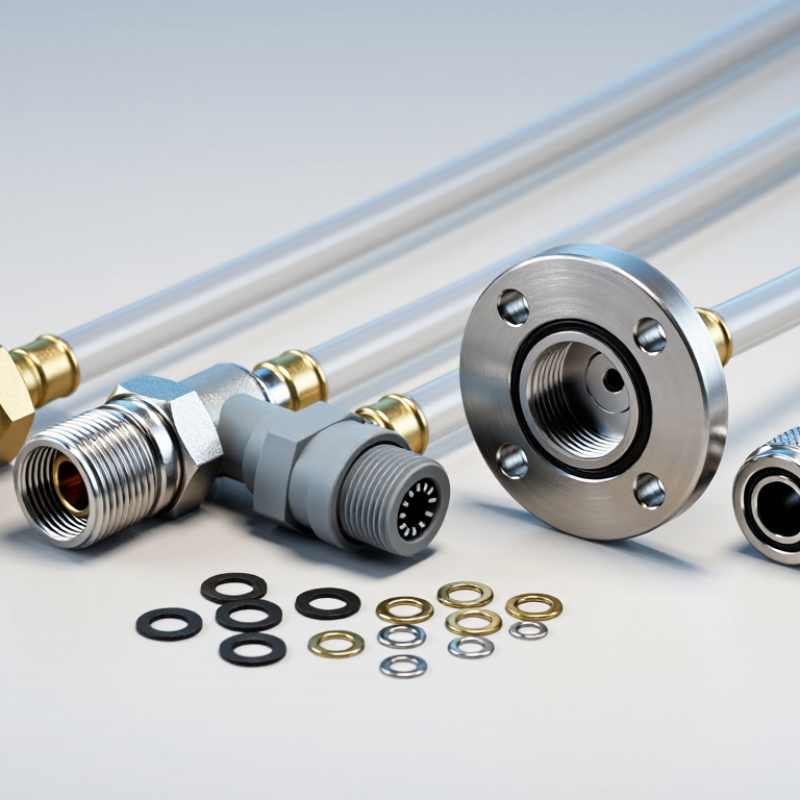
Common connector types include threaded ports, hose-barb fittings, push-to-connect couplings, and compression fittings. Threaded ports screw into a matching connection; hose barbs grip flexible tubing, often secured with a clamp. Push-to-connect fittings hold compatible tubing with an internal grip, while compression fittings seal around rigid tubing using a nut and ferrule. Each style suits different tubing, installation needs, and pressure ranges.

Compatibility is essential. Thread form, port size, tubing diameter, and sealing method must match the instrument and application. NPT and BSP threads, for example, may look similar but are not interchangeable in every setup.

A fitting that appears snug can still leak. Check the instrument specifications, use the correct seal, and inspect connections for leaks before taking readings. Connector choices can feel simpler on paper than in a crowded panel, where access and tubing bends also matter.

Which Connector Types Are Most Common in 2026

In 2026, manometer connections are still dominated by threaded ports, especially in industrial and building-service systems. Common choices include NPT, BSPP, and BSPT, with smaller instruments often using 1/8-inch or 1/4-inch sizes. NPT and BSPT threads taper; BSPP threads are parallel and usually need a washer or bonded seal. Check both the thread size and sealing method. Names can mislead.

Compression fittings are common when a manometer connects to small-diameter tubing. They use a nut and ferrule to grip the tube, making them useful for neat, serviceable installations. Quick-connect couplings also appear in test setups, where instruments are changed frequently. They save time, but the coupling and its seals must suit the pressure range and medium. A frequent field error is matching threads while overlooking the seal. It happens. Before installation, compare the instrument port, adapter, and existing line, then check for leaks under operating conditions. Regional conventions vary, so a connector described as “standard” may not fit the equipment in front of you.

How Connector Designs Differ in Materials and Pressure Ratings

What Are the Top Manometer Connector Types in 2026?

Connector choice shapes both leak risk and usable pressure. Compression fittings grip rigid tubing with a ferrule, while hose-barb connectors depend on a tight, secure hose fit. Threaded designs are common, but thread form alone does not establish a safe working pressure. ISO 7-1 specifies pressure-tight pipe-thread dimensions; it does not assign every connector a universal pressure rating.

Materials matter. Stainless steel resists corrosion and suits demanding service, but the alloy and temperature still affect performance. ASTM A240/A240M lists a minimum tensile strength of 515 MPa for annealed Type 316 plate, sheet, and strip. That figure is not a connector pressure rating. Brass can be practical for compatible fluids and moderate conditions; polymers are light, yet heat and long-term loading can reduce their strength. Small details count.

For a real selection, check the assembled connector’s rated pressure, temperature range, fluid compatibility, and tubing size. ASME B31.3 pressure-design guidance accounts for factors such as material stress and wall thickness, showing why material strength alone is insufficient. A metal fitting may still fail at its seal or tube interface. I would not infer a rating from appearance. Verify the supplier’s documented rating at the operating temperature, and allow for pressure spikes where relevant.

Where Each Manometer Connector Type Is Typically Used

Threaded connectors are common on fixed manometers used for boilers, pumps, and process lines. A tapered pipe thread can seal securely when correctly sized and installed. Check the instrument’s port specification before choosing an adapter; similar-looking thread standards may not mate properly. For a service technician checking pressure in a plant room, a threaded connection offers a firm, repeatable setup.

Hose-barb connectors suit low-pressure measurements made with flexible tubing. They are often used to check air pressure across ventilation filters or inside ducts. Push the tubing fully over the barb and secure it where movement could loosen the fit. Small details matter. A kinked tube can distort a reading. Barbs are convenient, though they are not ideal for every pressure range.

Quick-connect fittings are useful when a manometer is moved between test points, such as during equipment commissioning or routine maintenance. They reduce setup time, but the fitting must match the tubing and expected pressure. Dual-port connections are typically used for differential readings, including pressure drops across filters and coils. Keep the high- and low-pressure lines clearly identified. It is easy to reverse them in a cramped workspace, and that mistake can make a sound instrument appear unreliable. No connector is perfect; the right choice depends on pressure, medium, and how often the setup changes.

How to Choose a Connector for a Manometer Application

For a manometer, choose the connector around the pressure range, fluid, tubing, and installation—not thread size alone. A hose barb suits flexible tubing and low-pressure bench checks. Push-fit connectors make frequent tubing changes easier, while threaded ports offer a more secure fit in fixed setups. Quick-connects help when instruments move between test points. Fit matters. A connector that seals air may still be unsuitable for a liquid or corrosive sample.

Check the instrument’s specified pressure and vacuum limits, wetted materials, and tubing inner diameter. Match NPT threads to NPT ports; BSPP threads follow ISO 228-1 and should not be assumed interchangeable. If the connection needs an adapter, account for added leak paths and trapped volume. Small details matter. I would rather verify the port drawing than rely on a familiar-looking fitting.

The Grand View Research Pressure Sensor Market report estimated a 2023 global market value of USD 17.4 billion and projected 7.7% annual growth from 2024 to 2030. That figure covers sensors, not manometer connectors, but it reflects expanding pressure-measurement use across industries. In practice, selection still depends on the actual application. A tiny mismatch can cause a slow leak or unstable readings. That is easy to overlook. Check the fitting maker’s pressure rating and the manometer manual before installation.

Manometer Connector Types: A 2026 Selection Guide

Qualitative comparison for common manometer connection setups

Ratings are a practical guide, not standardized test results: 1 = limited fit and 5 = strong fit for the stated use. Threaded connectors such as NPT, BSPT, BSPP, and metric parallel types need matching threads and an appropriate sealing method. Hose barbs suit flexible tubing; quick-connects are useful for frequent hookups when the plug, socket, and pressure rating are compatible. Always check the manometer’s specifications and the application’s pressure and fluid requirements.

Optimized by Optimole