2026 Top Electric Resistance Heating Pipe Innovations?
As the world moves towards energy efficiency, innovations in the Electric Resistance Heating Pipe industry take center stage. Experts predict that 2026 will unveil groundbreaking advancements that enhance both functionality and eco-friendliness. Dr. Emily Hart, a leading engineer in the field, states, "Electric Resistance Heating Pipes are evolving to meet modern demands for sustainability and efficiency."
New materials and technologies are being introduced. These innovations promise increased durability and reduced energy consumption. For example, flexible designs are emerging, enabling better application across various industries. Industrial sectors that rely on these heating pipes are actively exploring these developments. However, as innovation progresses, challenges remain in terms of cost and implementation.
The Electric Resistance Heating Pipe market reflects a growing need for reliability and performance. Despite advancements, questions about long-term environmental impacts arise. Stakeholders are encouraged to weigh the benefits against potential drawbacks. By fostering open dialogue within the industry, the future of Electric Resistance Heating Pipes can be shaped responsibly.
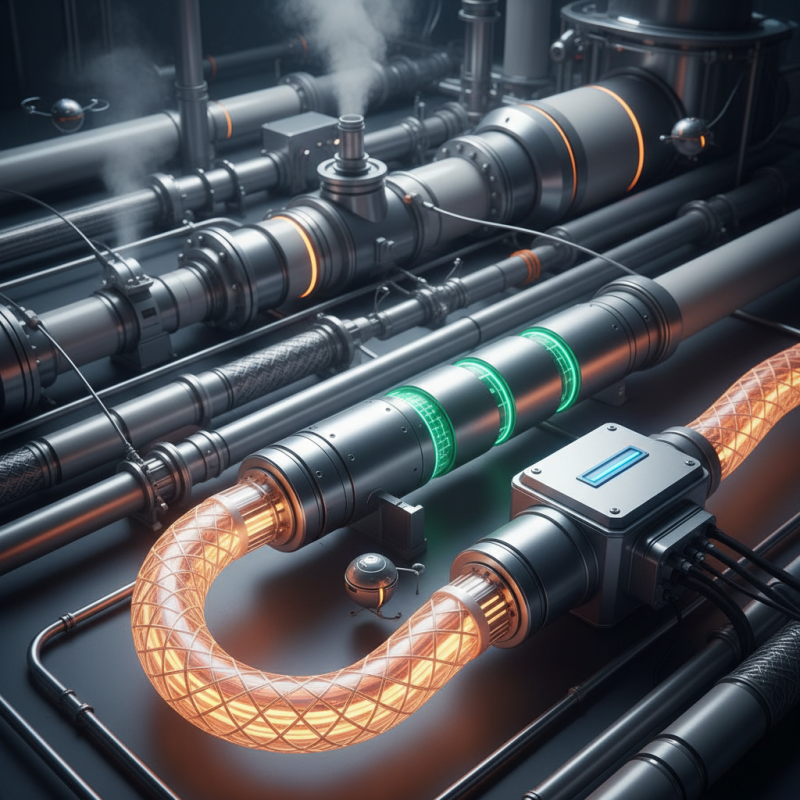
Emerging Technologies in Electric Resistance Heating Pipes for 2026
In 2026, electric resistance heating pipes will experience significant advancements. Emerging technologies include improved materials and enhanced energy efficiency. According to recent industry reports, innovative ceramic composites are showing promise for durability and heat retention. These materials can withstand higher temperatures, which may lead to better performance in extreme environments.
Developers are focusing on smart technology integration, allowing for better temperature control and energy management. Sensors embedded within heating pipes can provide real-time data. This data can lead to predictive maintenance and increased lifespan. Reports indicate that homes using smart heating systems can reduce energy costs by up to 30%.
Tip: Regular maintenance checks can help extend the life of electric resistance heating pipes. Monitoring pipe performance early can prevent costly repairs later.
Another trend is modular design, which simplifies installation and system upgrades. This flexibility allows for tailored solutions suited to diverse applications. Industry analysts suggest that modular systems could reduce installation time by 20%. However, challenges remain. Compatibility with existing infrastructure is a crucial concern as technologies evolve.
Tip: Stay informed about new technologies to select the best system for your needs. Keeping an eye on innovations can result in significant long-term savings.
2026 Top Electric Resistance Heating Pipe Innovations
| Innovation | Technology Type | Efficiency Improvement (%) | Expected Market Adoption Year | Key Features |
| Smart Insulation Coating | Nano-coating Technology | 25 | 2026 | Enhanced thermal efficiency, reduced energy loss |
| Integrated Smart Sensors | IoT-enabled Technology | 15 | 2025 | Real-time monitoring and smart adjustments |
| Self-Regulating Heat Pipes | Thermal Regulation Technology | 30 | 2026 | Dynamic temperature control, energy-saving |
| High-Temperature Resistant Materials | Advanced Alloys | 20 | 2026 | Improved durability, longer lifespan |
| Eco-Friendly Heating Elements | Sustainable Materials | 35 | 2026 | Low carbon footprint, recyclable |
Key Innovations Enhancing Efficiency in Electric Resistance Heating Systems
The electric resistance heating pipe sector is witnessing significant innovations aimed at improving system efficiency. New materials are being tested to enhance heat transfer and reduce energy loss. Some recent developments include advanced alloys that withstand higher temperatures. These materials not only increase durability but also offer better thermal conductivity.
Smart technology integration is also changing the landscape. Sensors embedded in heating pipes provide real-time data on temperature and performance. This data can lead to optimized energy consumption and proactive maintenance, preventing costly repairs. However, reliance on technology can sometimes result in unintended complications. System failures can occur if sensors malfunction or provide inaccurate readings.
Lastly, design advancements are worth noting. Innovative pipe layouts and configurations allow for more efficient heat distribution. Improved insulation materials limit energy wastage. Yet, the challenge remains to balance efficiency with cost. Creating a system that is both effective and affordable is crucial for widespread adoption. Developers must continue to refine their offerings, ensuring they meet users' needs without sacrificing quality.
Sustainable Materials and Their Impact on Electric Heating Pipe Development
As the world shifts towards sustainable solutions, electric resistance heating pipes are evolving. New materials are driving this innovation. Eco-friendly materials like bioplastics are gaining attention. They offer durability and lower environmental impact. Incorporating these materials can minimize waste and energy consumption.
Tips: Consider the lifecycle of materials before choosing. Assess their environmental footprint. Even small changes can lead to significant benefits.
The use of recycled metals is also on the rise. These materials reduce energy use during production. They can perform just as well as traditional options. However, the balance between cost and sustainability is crucial. Innovations should prioritize not just effectiveness but also ecological integrity.
Tips: Research local suppliers for recycled materials. This supports the community and reduces transportation emissions. Innovators should remain open to learning and adapting. Embracing imperfection in designs could lead to groundbreaking solutions.
2026 Top Electric Resistance Heating Pipe Innovations
This chart displays the impact scores of various innovations in electric resistance heating pipe technology for 2026, focusing on sustainable materials and efficiency improvements.
Smart Technology Integration in Electric Resistance Heating Solutions
In the evolving landscape of electric resistance heating, smart technology plays a critical role. Recent studies indicate that smart thermostats can enhance energy efficiency by up to 30%. These devices adapt to user behavior, optimizing energy use without sacrificing comfort. Integrating sensors and machine learning makes systems more responsive. Users enjoy lower bills while contributing to sustainability.
It's essential to consider the interoperability between devices. As the industry advances, compatibility becomes crucial. Products that can communicate with each other foster a seamless environment, enhancing user experience. However, not all systems reach this standard. Some lack essential features, leaving users frustrated. Regular updates and user feedback are vital in bridging these gaps.
Tips for homeowners: Invest in smart systems with strong reviews. Look for those supported by regular updates. Also, prioritize systems that allow manual overrides. This can provide flexibility in case the technology doesn’t meet expectations. Balancing smart tech with traditional controls ensures you remain comfortable, even when tech falls short.
Market Trends and Future Applications of Electric Heating Pipe Innovations
The electric heating pipe market is evolving rapidly. Innovations in materials and technologies are driving efficiency. New designs enhance heat distribution, making systems smarter and more responsive. This shift benefits not just residential heating but industrial applications as well. The move towards sustainability is significant. Companies explore eco-friendly materials to reduce carbon footprints.
Future applications are promising. Electric heating pipes could play a role in smart home systems. They may integrate with IoT devices for better energy management. However, challenges exist. The cost of new technologies can be a barrier. Additionally, consumer awareness of these systems remains limited. Education and marketing may need improvement.
The trend towards automation in heating systems is noteworthy. This could lead to more user-friendly interfaces and remote controls. Even so, reliable and consistent performance is essential. Innovations must not compromise safety and durability. As the market grows, addressing these concerns will be crucial for widespread adoption.