Top 5 Electric Ball Valves You Need to Know About?
Electric Ball Valves are essential devices in many industries. They control fluid flow with precision. Understanding their functionality can enhance efficiency in operations.
In this article, we will explore the top five Electric Ball Valves available today. Each valve has unique features and applications. Some may not be suitable for all environments. Knowing these details can help you make informed choices.
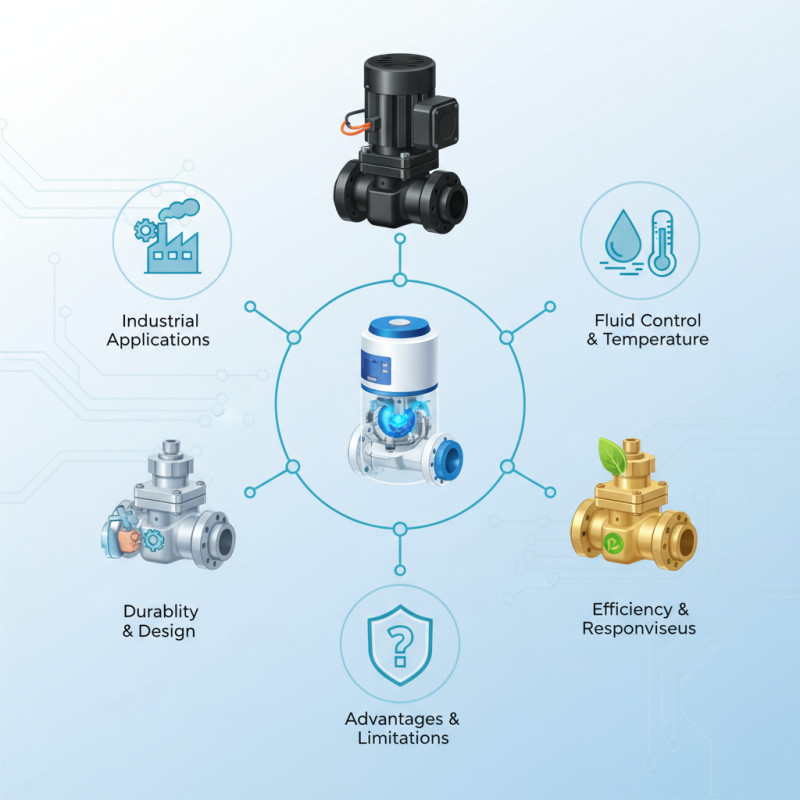
From design to durability, these valves play a critical role. Yet, even the best options can have drawbacks. For example, some may lack responsiveness in extreme temperatures. It is crucial to evaluate both advantages and limitations. This guide aims to provide a comprehensive overview of Electric Ball Valves to assist in your decision-making process.
Overview of Electric Ball Valves and Their Applications
Electric ball valves are pivotal in various industries for controlling fluid flow. These valves enhance efficiency by enabling precise flow regulation. Typically, they consist of a spherical obstruction that allows or stops the flow with a simple 90-degree rotation. This design ensures quick operation, which is essential in high-demand environments. Facilities use them in water treatment, HVAC systems, and process industries.
Applications of electric ball valves extend beyond mere flow control. They are vital in situations requiring safety and reliability during operation. However, choosing the right type can be challenging. Users often overlook specifications like voltage requirements and actuator speed. Every installation is unique, and a common mistake is assuming one style fits all. Such misjudgments can lead to operational failures.
Moreover, these valves can be prone to wear and tear over time. Regular maintenance is often neglected, resulting in performance issues. It’s necessary to create a standard procedure for inspections. Ensuring the system remains efficient requires awareness and diligence. While electric ball valves provide significant advantages, users must remain vigilant to maximize their benefits.
Key Features of Electric Ball Valves to Consider
When considering electric ball valves, several key features stand out. One critical aspect is the actuator type. Most electric ball valves utilize either a rotary or linear actuator. The efficiency of these actuators can significantly affect performance. For instance, a recent industry report highlights that rotary actuators typically offer faster response times, achieving full open or close positions in under five seconds. In contrast, linear actuators may take longer, impacting the speed of operations.
Another important feature is the valve material. Common options include stainless steel and brass. The choice of material affects durability and compatibility with various media. According to industry data, stainless steel valves are ideal for corrosive environments, boasting a lifespan nearly 30% longer than brass counterparts under similar conditions. However, they can be more expensive, presenting a budgetary challenge for some applications.
Finally, control options should be carefully evaluated. Many electric ball valves now offer smart control features. These can include remote monitoring capabilities and integration with IoT systems. Such advancements allow for better management of systems. However, implementing these features can be complex and may require extensive training. Users need to weigh the benefits against the learning curve and potential downtime during the transition to smart solutions.
Top 5 Recommended Electric Ball Valves for Various Uses
Electric ball valves are essential in various industrial applications. They offer precise control and efficiency. As per the latest industry reports, the global electric valve market is projected to grow by 6.5% annually. This growth highlights the need for reliable options.
When considering electric ball valves, versatility is key. Some models excel in HVAC systems, while others thrive in chemical processing. The ideal valve can improve efficiency significantly. Reports indicate that using an electric ball valve can reduce energy consumption by up to 30% in industrial settings. This is a game changer for cost-conscious operations.
Another aspect worth noting is ease of integration. Many electric ball valves work seamlessly with existing systems. However, not all valves are created equal. Some may lack the durability required for harsh environments. Choosing the right material and technology is critical. It's vital to carefully assess specifications before making a decision. Failure to do so can lead to performance issues.
Comparative Analysis of Leading Electric Ball Valve Brands
Electric ball valves are becoming increasingly popular in various industries. Their simplicity and efficiency make them ideal for controlling fluid flow. However, not all electric ball valves are created equal. A comparative analysis reveals significant differences among leading brands in terms of design and performance.
Some electric ball valves offer quick response times, which is essential for process control. Others focus on durability, boasting materials that withstand harsh conditions. Manufacturers often emphasize energy efficiency, but not every product delivers on that promise. It is crucial to examine the operational costs associated with each valve.
User reviews can offer insights into reliability and ease of maintenance. Many users appreciate valves that require minimal periodic checks. However, others report issues with long-term performance, pointing out that some models may fail unexpectedly. Understanding these nuances helps in making informed decisions. It's evident that while many options are available, the best choice depends on specific application needs.
Troubleshooting and Maintenance Tips for Electric Ball Valves
Electric ball valves are essential for controlling fluid flow. Regular maintenance is crucial to ensure their proper functionality. A well-maintained valve can last significantly longer, yet many overlook basic checks.
Start with visual inspections. Look for any signs of corrosion or wear. Check the wiring connections. Loose wires can cause malfunctions that lead to costly repairs. It's also important to listen for unusual noises when the valve operates. A grinding sound could indicate an internal issue. Don't ignore these signs.
Cleaning is another important aspect. Dust and debris can accumulate and hinder performance. Use a damp cloth to wipe the exterior. For internal cleaning, follow the manufacturer’s guidelines carefully. Periodically test the operation of the valve. If it struggles to open or close, it's time for a thorough review. Finally, document any modifications made during maintenance. This record will be helpful for future troubleshooting. Recognizing that even small details matter can save time and resources in the long run.
Top 5 Electric Ball Valves Performance Comparison
This bar chart displays the flow rate performance of the top 5 electric ball valves. Each valve's flow rate is measured in liters per minute (L/min), providing a clear comparison for evaluating their efficiency.