Top Concrete Block Batching Plant for Global Buyers?
In the booming construction industry, a Concrete Block Batching Plant stands as a pivotal asset for global buyers. These plants ensure the efficient production of high-quality concrete blocks. This reliability is essential for meeting project demands and maintaining competitive edges.
Investing in a Concrete Block Batching Plant often raises questions about quality, cost, and technology. Buyers need to understand various aspects. They must consider factors like capacity, automation, and after-sales support. A thoughtful approach can help prevent costly mistakes in the selection process.
However, it’s challenging to navigate the available options. Not every plant meets the necessary standards. Buyers should thoroughly research manufacturers, seeking certified and established companies. Gathering insights from industry experts can lead to informed decisions. The journey to finding the right batching plant is complex but essential for future success.
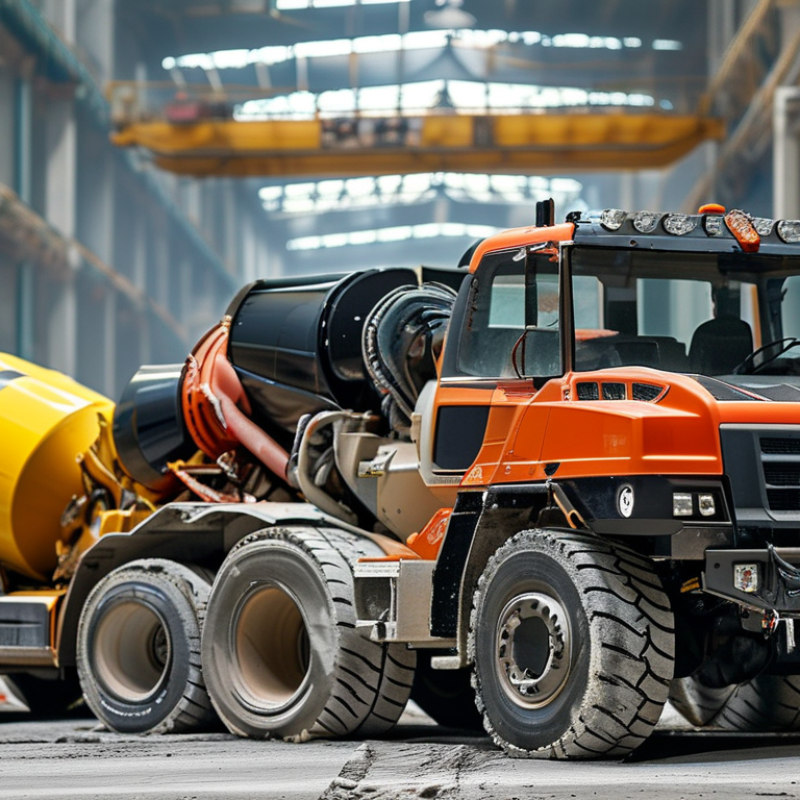
Overview of Concrete Block Batching Plants
Concrete block batching plants play a crucial role in the construction industry. They ensure the precise mixing of raw materials to produce high-quality concrete blocks. This is important as the demand for concrete products continues to rise globally. According to a recent market report, the concrete block market is projected to grow at a CAGR of 5.3% from 2022 to 2028.
Key components of these batching plants include mixers, aggregate feeders, and cement silos. Each component must work efficiently to maintain productivity. However, not all batching plants achieve optimal performance. Common issues include inconsistent material quality and equipment malfunctions, leading to delays. A comprehensive maintenance plan is essential to minimize these challenges.
Furthermore, the global trend towards sustainability raises questions about the environmental impact of concrete production. Some batching plants are beginning to integrate recycled materials into their mixes. This practice not only reduces waste but also conserves natural resources. Adopting such strategies may prove viable, though further research is needed to confirm their long-term effects on product quality and structural integrity.
Key Features to Look for When Choosing a Batching Plant
When selecting a concrete block batching plant, several key features significantly enhance operational efficiency. A robust automation system is essential, as it streamlines the batching process. Reports indicate that automated systems can improve productivity by up to 30%. These systems reduce labor costs while maintaining high precision in material mixing. Additionally, look for advanced control software that enables real-time monitoring and reporting.
Capacity and scalability are crucial considerations. In the global market, demand for concrete products is rising. A plant with a higher capacity can adapt to fluctuations. Research from industry sources shows that modular designs can increase capacity by 20% without major infrastructure changes. While many plants claim to have this capability, assessing their scalability through user reviews and case studies is vital.
Energy efficiency also plays a significant role. Plants that incorporate eco-friendly technologies can reduce operational expenses. Studies show that energy-efficient batching plants can save up to 15% in energy costs annually. However, adopting these technologies may require an initial investment that not all buyers are prepared for. Evaluating the long-term benefits is essential for making informed purchasing decisions.
Top Brands and Manufacturers in the Global Market
The global market for concrete block batching plants is dynamic and competitive. Numerous brands and manufacturers serve different regions, each with unique strengths. These companies emphasize quality and efficiency. Their equipment often features advanced technology, enhancing production speed and precision.
When selecting a supplier, it's vital to consider reliability and after-sales support. Not all manufacturers provide consistent service. Some may promise high output but fall short in practice. A buyer's experience often reveals discrepancies between marketing and reality. Researching customer feedback can be invaluable.
Moreover, sustainability is becoming increasingly important. Many brands are exploring eco-friendly materials and energy-efficient solutions. However, some still lag behind in this area. Potential buyers should reflect on these aspects when making choices. A brand’s commitment to innovation and sustainability can significantly impact long-term value.
Top Concrete Block Batching Plant Production Capacity
Comparative Analysis of Pricing and Performance
When selecting a concrete block batching plant, price and performance are vital. Different regions have varying pricing strategies influenced by local economies. A cheaper plant may seem attractive, but it often compromises quality. It's essential to find a balance between cost and efficiency.
Performance metrics play a crucial role in this analysis. Factors include production speed, mixing technology, and energy efficiency. Higher efficiency often leads to lower operational costs. Buyers should consider the long-term implications of investing in advanced technology versus opting for budget solutions.
Regretfully, not all plants deliver consistent results. Some may underperform or have high maintenance needs. Evaluating user reviews and expert opinions becomes essential. Buyers must seek reliable sources to ensure informed decisions.
Future Trends in the Concrete Block Batching Industry
The concrete block batching industry is evolving rapidly. Technological advancements are paving the way for more efficient production methods. Automation plays a crucial role in this transformation. Implementing smart software technologies can enhance accuracy. This reduces human error in batching processes. As a result, companies can produce higher quality blocks consistently.
Sustainability is another key trend shaping the future. Eco-friendly materials are gaining traction. Many manufacturers are exploring alternatives to traditional cement. This shift can lower environmental impact significantly. However, sourcing these materials poses challenges. The industry must balance sustainability and cost-effectiveness.
Market demands are shifting as well. Urbanization is driving the need for efficient building solutions. As cities grow, so does the demand for concrete blocks. Companies need to adapt quickly to stay competitive. Yet, the pressure to innovate can lead to oversights in production. This calls for careful planning and strategic investment in technology. It’s a complex landscape that requires continual reflection and adaptation.