Top 10 Automated Crane Systems at the 2026 Canton Fair?
At the upcoming 2026 Canton Fair, the spotlight will shine on innovative advancements in the Automated Crane System industry. This event promises to showcase the latest technologies, enhancing operational efficiency across various sectors. Renowned industry expert Dr. John Simmons has emphasized, "Automated Crane Systems will redefine logistics and manufacturing, enabling smarter supply chains."
The fair will feature cutting-edge automated crane solutions, elevating productivity levels. With AI-integrated systems, these cranes optimize heavy lifting. They streamline warehouse operations, reducing downtime and improving accuracy. However, challenges remain in implementation costs and human oversight. As Dr. Simmons notes, it is crucial to address these gaps to reap the full benefits.
The whole event will benefit from AI-driven navigation features. Buyers will easily locate suppliers with desired certifications, such as ISO and CE. Yet, while automation simplifies processes, balancing human roles with technology is vital. Reflecting on these complexities will be essential for a successful transition in the Automated Crane System landscape.
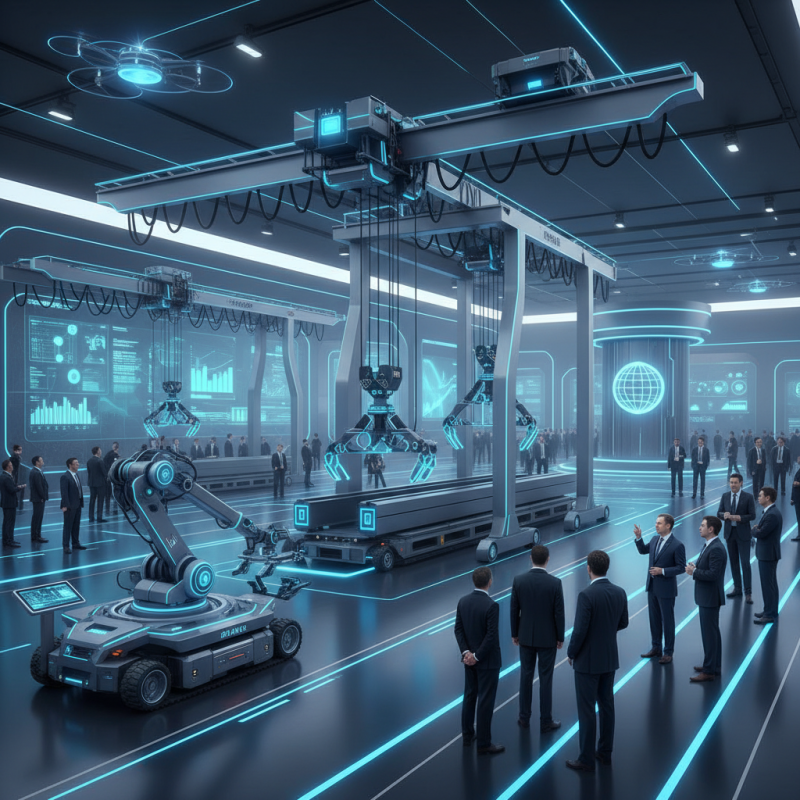
Overview of Automated Crane Systems in Material Handling
The growth of automated crane systems is transforming material handling processes across various industries. As companies aim for greater efficiency, these systems have become integral. In 2026, the Canton Fair is expected to showcase the top innovations in automated crane designs.
Automated systems enhance speed and accuracy. According to a recent industry report, automated solutions can improve productivity by up to 30%. This increase is critical in high-demand sectors. However, the integration of these systems is not without challenges. Companies often confront a steep learning curve and initial investment costs. Daily operations may pause as staff adapt to new technologies.
Tips for successful integration include thorough training sessions and phased implementation. Focus on training employees to use these systems effectively. Encourage feedback during the transition. Also, consider starting with a small pilot project. This allows for adjustments before a full rollout. Other averse effects include potential downtime and maintenance issues.
Continuous evaluation can help mitigate these problems. It's essential to analyze performance data regularly. Doing so supports informed decisions and adjustments. Embracing automation does come with complexities, but the potential rewards often outweigh the risks.
Key Features and Benefits of Automated Crane Technology
Automated crane systems are revolutionizing material handling. The technology enhances efficiency and safety in industrial settings. These cranes operate through advanced control systems, minimizing human intervention.
One key feature is real-time monitoring. Sensors track load weights and positions, ensuring safety. Automation reduces the risk of accidents common in manual handling. Users report increased productivity as cranes perform tasks faster. The intelligent algorithms adjust operations, optimizing performance even in complex environments.
Yet, challenges remain. The initial investment is substantial, which can deter some users. Integration with existing systems may pose difficulties. Training staff on new technology is essential but often overlooked. Reflection on these aspects is crucial for successful implementation, ensuring that the benefits outweigh the drawbacks.
Top 10 Automated Crane Systems at the 2026 Canton Fair
Top Manufacturers Showcasing Automated Crane Systems at Canton Fair
The 2026 Canton Fair is set to showcase some impressive automated crane systems. Many leading manufacturers will display their latest technologies. These systems promise efficiency and safety in various industries. They are transforming how goods are moved in warehouses and factories.
Visitors can expect to see cranes that operate with precision. Some models feature advanced AI capabilities, optimizing their movements. This innovation reduces human error, which is a critical concern. However, some systems still rely on manual adjustments. This raises questions about their overall reliability in high-demand scenarios.
Moreover, exhibitors are likely to engage in discussions about challenges. There may be concerns regarding integration with existing systems. Not all businesses are ready to invest in new technologies. This hesitation could limit the adaptability of automated systems. Attendees at the fair will be eager to find solutions together. The learning experience is essential for advancing the industry.
Innovations and Trends in Crane Automation for 2026
The 2026 Canton Fair is set to showcase a range of innovative automated crane systems. These systems are transforming the way industries handle lifting and transportation tasks. One notable trend is the integration of smart sensors. These sensors allow cranes to sense their environment, enhancing safety and efficiency.
Another exciting development is the use of artificial intelligence in crane operations. AI can predict maintenance needs and optimize performance. However, reliance on technology also raises concerns. What if the system malfunctions? Users must find the right balance between automation and human oversight.
Battery-powered cranes are gaining traction too. They offer sustainability benefits but may require more frequent recharging. Users must adapt to these new energy requirements. As innovations continue, challenges will arise. Understanding these complexities is crucial for successful implementation in various settings.
Comparative Analysis of Leading Automated Crane Models at the Fair
The 2026 Canton Fair will showcase a range of automated crane systems. These systems promise efficiency and innovation, crucial for modern industries. Each model exhibits unique features that cater to specific operational needs. For instance, some cranes focus on high lifting capacities, while others excel in speed and precision.
In this competitive landscape, cost-effectiveness remains a vital consideration. Some models might be more affordable but lack advanced technology. Potential users must weigh initial costs against long-term benefits. Observing how these systems perform in real-world settings can unveil practical challenges. Maintenance, for instance, is often overlooked but critical for sustained operation.
Moreover, the variety of control systems presents another layer of complexity. Some cranes use advanced automation, yet others stick to traditional methods. The learning curve for operators can affect productivity. Choosing the right model requires balancing technology and user-friendliness. Attending the fair provides a unique opportunity for hands-on experience.