Top 5 Bottom Roller Tips for Global Buyers to Consider
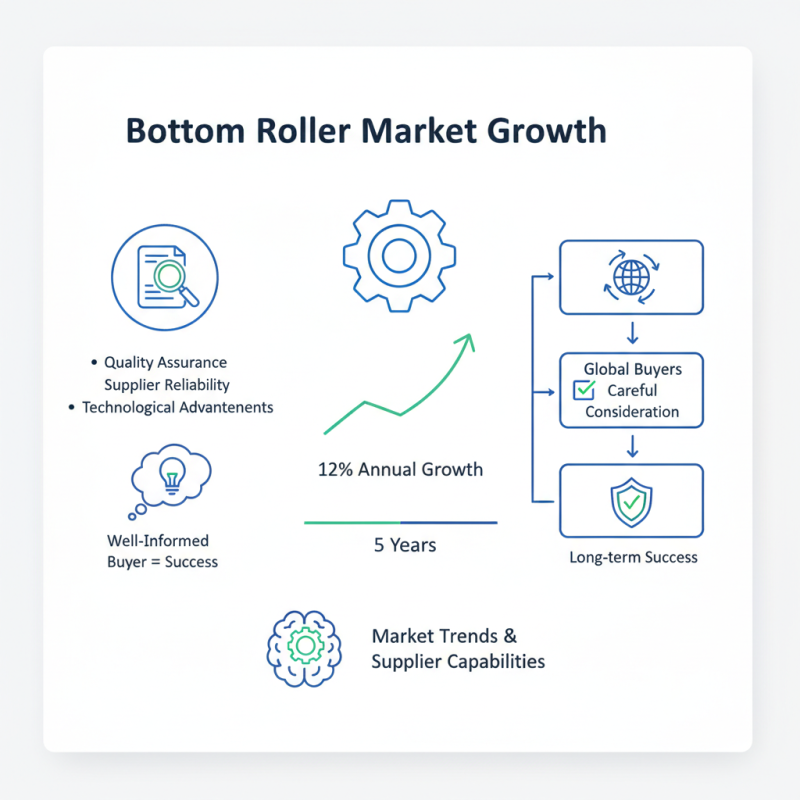
In the fast-evolving market of Bottom Rolle, global buyers must stay informed. Recent industry reports indicate a growing demand for innovative solutions in this sector. According to a study by the International Roller Manufacturers Association, the Bottom Rolle market is expected to grow by 12% annually over the next five years. Expert Mark Thompson, a leading figure in roller technology, states, "Understanding the nuances of Bottom Rolle can make or break a buyer's success."
Buyers often overlook key factors that can impact their purchasing decisions. Quality assurance, supplier reliability, and technological advancements are critical. As Thompson emphasizes, "A well-informed buyer is a successful buyer." This sentiment resonates through the industry, highlighting the necessity for awareness and diligence.
Navigating the Bottom Rolle landscape requires careful consideration and adaptability. Mistakes can lead to significant consequences, such as financial loss or project delays. Striving for excellence means learning from past experiences and adopting a proactive approach. Being aware of market trends and supplier capabilities is crucial for long-term success in this competitive field.
Understanding Bottom Roller Types and Their Applications
When considering Bottom Rollers, understanding their types and applications is crucial. Bottom rollers are essential in various industries, providing stability and support for the movement of goods and materials. There are several types available, including standard, heavy-duty, and specialized rollers designed for specific tasks.
A report by the International Material Handling Industry Association indicates that bottom rollers account for about 25% of equipment failure rates. This statistic highlights the importance of choosing the right type for each application. Industries such as manufacturing and logistics often rely on heavy-duty options for robustness. Meanwhile, light-duty rollers suffice in settings with lower weight requirements.
Selecting the right bottom roller also requires an understanding of factors like load capacity, environmental conditions, and frequency of use. Some rollers may not perform well under extreme temperatures or exposure to corrosive materials. Regular maintenance is another critical aspect. Neglect can lead to increased wear and premature failure, which can disrupt operations significantly. This underlines the need for a well-informed decision-making process when selecting bottom rollers.
Top 5 Bottom Roller Tips for Global Buyers to Consider
| Tip Number | Bottom Roller Type | Material | Application | Load Capacity (kg) |
| 1 | Polyurethane Rollers | Polyurethane | Conveyor Systems | 500 |
| 2 | Steel Rollers | Steel | Heavy-Duty Machines | 1000 |
| 3 | Nylon Rollers | Nylon | Lightweight Applications | 300 |
| 4 | Rubber Rollers | Rubber | Printing Machines | 600 |
| 5 | Plastic Rollers | Plastic | Food Industry | 450 |
Key Factors to Evaluate When Sourcing Bottom Rollers
When sourcing bottom rollers, it’s crucial to consider multiple factors to ensure quality and efficiency. Start with material selection. The durability of the bottom roller largely depends on the material. Steel and high-quality polymers are often preferred for their strength and resistance to wear. However, not all steel is the same. Different grades can offer varied results in longevity and performance.
Tip: Research the supplier's sourcing methods. A reliable supplier should have transparent sourcing practices. Ask about their materials’ origins. It reveals their commitment to quality. It’s also wise to look into certifications that ensure the validity of their products.
Next, evaluate the manufacturing process. How a bottom roller is made can affect its overall performance. Techniques like precision machining can enhance efficiency. Poor manufacturing can lead to defects. You may find reviews helpful here. They might highlight common issues other buyers faced. But remember, reviews are not always flawless.
Tip: Request sample products before bulk orders. Testing a small quantity can reveal performance standards. It's a safer approach. If samples disappoint, it saves you from a costly mistake later. Always be cautious and ensure you’re making informed decisions. Potential pitfalls exist, and due diligence is necessary.
Top 5 Key Factors to Evaluate When Sourcing Bottom Rollers
Quality Assurance: Testing and Certification Standards for Rollers
Quality assurance is vital in the roller industry. Global buyers must prioritize testing and certification standards. These measures ensure that the products meet safety and performance requirements. According to industry reports, 70% of roller failures can be traced back to poor materials and manufacturing processes. This data underscores the importance of stringent quality checks.
Buyers often overlook certification. However, standards like ISO 9001 and ASTM significantly enhance reliability. They provide measurable benchmarks for quality. Certified suppliers usually demonstrate a commitment to continuous improvement. A report from the International Organization for Standardization indicates that organizations with certifications can increase operational efficiency by up to 30%.
Testing methodologies differ across regions. Noting this could help buyers refine their selection process. Testing under various conditions helps identify potential issues early. Unfortunately, some suppliers may claim certifications without proper verification. This problem highlights the need for thorough due diligence.
Understanding the nuances of testing and certification is essential. It demands vigilance and a proactive approach from buyers. The stakes are high—investing in uncertified rollers can lead to significant losses.
Cost-Benefit Analysis of Sourcing Bottom Rollers Globally
When sourcing bottom rollers globally, a careful cost-benefit analysis is crucial. This involves comparing prices, quality, and delivery times from different suppliers. Buyers should map potential costs against expected quality. Lower prices might seem inviting, but they can often lead to subpar quality and extra shipping fees.
Tip 1: Evaluate supplier reliability. Not all suppliers can deliver on time or maintain quality. It’s wise to check reviews and ask for references. This ensures accountability and reduces risks associated with delays and defects.
Tip 2: Understand local manufacturing standards. Different countries have varying quality regulations. Knowing these can help you avoid costly compliance issues later on.
While cost is key, the cheapest option isn’t always the best. Think about the total cost of ownership, which includes potential maintenance and replacement costs. Sometimes, investing more initially can lead to savings in the long run.
Tip 3: Consider currency fluctuations. Exchange rates can impact overall costs. A small change in the currency can lead to significant variations in final prices.
Best Practices for Negotiating with Bottom Roller Suppliers
Negotiating with bottom roller suppliers requires a blend of strategy and insight. According to industry reports, establishing clear communication can enhance trust. Buyers should not shy away from discussing expectations openly. A mutual understanding helps prevent misunderstandings later on.
Tip: Be direct about your needs and limitations. Transparency creates a foundation for effective negotiation. Research shows that over 70% of successful deals arise from honest dialogues. Yet, many buyers overlook this crucial aspect. They focus too much on pricing rather than on relationship-building.
Another vital component is to understand market trends. Knowledge of current pricing and materials can empower buyers. Industry data indicates that fluctuations in material costs impact bottom roller pricing significantly. Buyers should stay informed and adapt their strategies accordingly. This awareness leads to more sound negotiations.
Tip: Always keep an eye on material sourcing and trends. Sometimes, small details can make a significant difference. Many buyers fail to capitalize on this information, missing out on better deals and relationships. It's essential to remember that effective negotiations are not only about cost but also about value and collaboration.