Top 5 Premium Moisture Barrier Building Materials You Need?
In the construction industry, the selection of materials significantly impacts building performance. One crucial category is the Premium Moisture Barrier Building Material. According to a report by the American Society of Civil Engineers, over 25% of building failures are attributed to moisture-related issues. Choosing the right moisture barrier can help mitigate these risks effectively.
Premium Moisture Barrier Building Materials offer superior protection against water infiltration and vapor transmission. These materials enhance a building’s durability and energy efficiency. A study by the U.S. Department of Energy indicates that the right moisture barrier can reduce energy costs by up to 10%. However, not all moisture barriers are created equal.
Many builders overlook the long-term implications of their choices. It's essential to consider factors such as climate, building design, and usage. Investing in top-quality materials is often seen as an expense rather than a necessity, which may lead to regret later. A balance between cost and quality is essential to ensure lasting performance. Remember, a wise choice today might save you from significant expenses and headaches tomorrow.
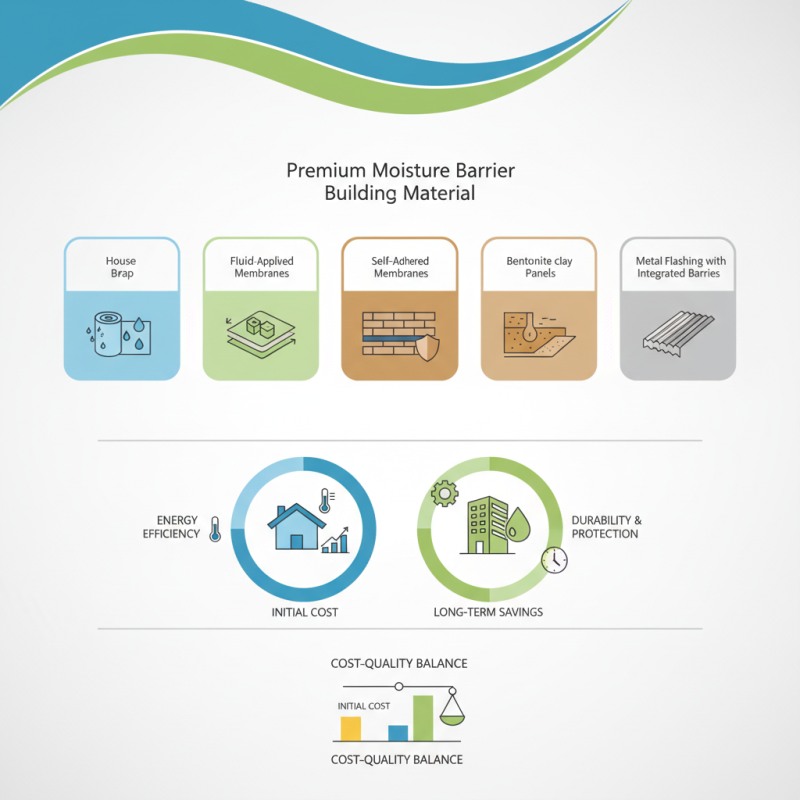
Understanding Moisture Barriers: Definition and Importance
Moisture barriers play a crucial role in building construction. They prevent water from penetrating walls and foundations. Understanding moisture barriers means recognizing their importance in maintaining structural integrity. Excess moisture can lead to mold, rot, and deterioration. These issues compromise safety and longevity.
Many property owners overlook the significance of a quality moisture barrier. A well-installed barrier can save thousands on repairs. It can ensure a healthier indoor environment. Moisture barriers come in various materials and designs. Each option has strengths and weaknesses, so careful selection is vital.
Implementing a moisture barrier requires expertise and precision. The installation process is not always straightforward. Mistakes can lead to moisture retention. Regular inspections and maintenance can help avoid future problems. Homeowners should remain informed about moisture management. A proactive approach allows for better protection against water damage.
Types of Premium Moisture Barrier Materials in Construction
Moisture barriers play a crucial role in construction. They protect buildings from water damage. Various premium materials are available to fulfill this function. Understanding these materials can help ensure long-lasting structures.
One popular choice is polyethylene sheeting. It's lightweight, effective, and affordable. This material acts as a reliable moisture barrier. However, its durability can be an issue in extreme conditions.
Another option is spray-applied membranes. These create a seamless barrier, but application requires skilled professionals for best results.
Foil-faced insulation is also a viable choice. It offers thermal resistance combined with moisture control. Yet, it may not be suitable for all climates.
Builders often face challenges selecting the right barrier. The choice should consider local weather conditions and building design. Each material has unique advantages and drawbacks.
Careful evaluation is essential for optimal performance.
Top 5 Premium Moisture Barrier Building Materials Overview
When it comes to effective moisture management in buildings, choosing the right materials is crucial. Premium moisture barrier materials prevent damage from humidity and water intrusion. Let's explore five standout options.
One highly regarded choice is polyethylene sheeting. This durable plastic can be used in various applications. Its flexibility allows it to fit securely in walls and floors. Another material, rubberized asphalt, offers excellent waterproofing qualities. Its unique composition provides a robust barrier that withstands harsh weather conditions.
Foam insulation boards are also worth mentioning. They offer both insulation and moisture resistance. These boards help maintain consistent indoor temperatures while preventing moisture buildup. On the other hand, vapor barrier paint is often overlooked. It can be applied directly to walls. This can protect surfaces while allowing structures to breathe.
Choosing the right moisture barrier is vital for longevity. However, using these materials doesn't guarantee complete protection. It's essential to assess installation methods and environmental factors. A subpar installation can undermine even the best materials. Therefore, careful planning and execution are needed. Consider seeking expert advice to enhance reliability.
Comparative Analysis of Moisture Barrier Performance and Cost
When selecting premium moisture barrier building materials, a comparative analysis of performance and cost is crucial. Research indicates that polyethylene film, for instance, offers excellent moisture resistance at a low price point. However, it may not be suitable for all climates. According to the “Moisture Management in Building Assemblies” report by the Building Research Institute, materials like rigid foam board demonstrate superior durability and insulation, but often come at a higher cost.
Understanding the trade-offs in moisture barriers is essential. For instance, spray foam insulation provides strong moisture control while also enhancing energy efficiency. Yet, its application can be more complex and expensive, as stated in multiple case studies. Evaluating these materials can reveal trade-offs between upfront costs and long-term performance, particularly in areas prone to high humidity.
Tips: Invest time in installation training. Proper application can lead to better performance. Also, consider your specific environmental conditions when choosing a moisture barrier. Customizing your selection based on local climate can significantly affect longevity and effectiveness. Think critically about the product lifecycle and future maintenance costs.
Installation Considerations for Effective Moisture Barriers
When considering the installation of moisture barriers, several factors come into play. Proper surface preparation is crucial for achieving optimal results. Data from the American Society of Home Inspectors indicates that approximately 30% of moisture-related issues arise from improper installation techniques. Therefore, it is vital to ensure that surfaces are clean and dry before applying any barriers. Uneven or contaminated surfaces can lead to failures, allowing moisture to seep through.
Another essential consideration is the type of materials used. Research suggests that high-quality, durable materials outperform cheaper alternatives over time. For example, polyethylene sheets are often recommended due to their resistance to moisture and ease of installation. However, a lack of attention to detail can lead to gaps or misalignments, which can compromise the barrier's effectiveness. Regular inspections during and after installation can help identify these potential issues early on.
Additionally, it's important to think about the environment where the moisture barrier will be installed. Seasonal changes can impact performance. For instance, in areas with high humidity, barriers should be chosen with breathable properties to prevent mold growth. The Building Science Corporation emphasizes the importance of understanding climate conditions to select the right materials effectively. Ignoring the local environment can reduce the longevity of your moisture barrier significantly.