
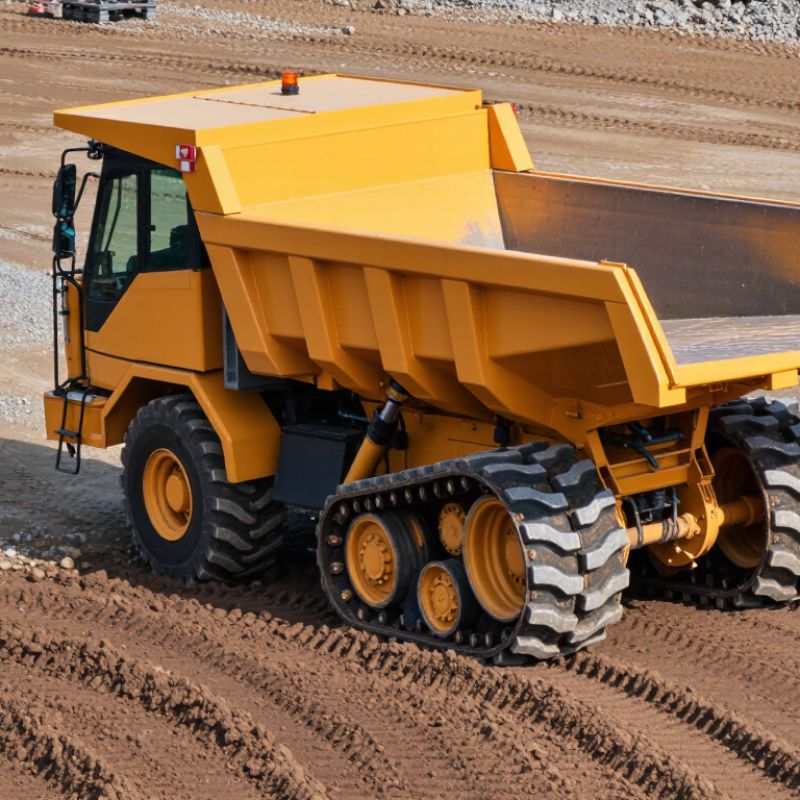
7 Tips to Choose the Best Dumper Tracks?

Choosing the right Dumper Tracks can determine whether a machine climbs confidently or struggles in soft ground. The decision involves more than matching dimensions. Track pattern, rubber compound, load rating, machine weight, terrain, and operating hours all matter. A track that performs well on dry soil may wear quickly on sharp gravel. Mud can expose weaknesses even faster.

“Dumper Tracks should be selected for the ground conditions, not simply for the lowest price,” says Martin Keller, a tracked-equipment service consultant with more than 15 years of field experience. His observation reflects a common maintenance lesson. Cheap tracks may appear attractive, but premature cracking can create unexpected downtime. The most reliable choice usually balances traction, durability, ride comfort, and supplier support.

This guide presents seven practical tips for comparing Dumper Tracks. It considers tread design, rubber quality, track dimensions, operating load, undercarriage compatibility, working environment, and after-sales assistance. Look closely at the details. Measure the old track carefully. Inspect sprockets and rollers before ordering. A worn undercarriage can damage a new track within weeks.

No checklist is perfect. Real sites remain unpredictable. A tracked dumper may face wet clay in the morning and abrasive stone later that day. That is why selection should combine manufacturer specifications with maintenance records and operator feedback. The final answer may not be the cheapest option. It should be the one that keeps the machine stable, productive, and easier to maintain.

7 Tips to Choose the Best Dumper Tracks?

Define the Jobsite Requirements for Your Dumper Tracks

7 Tips to Choose the Best Dumper Tracks

Define the Jobsite Requirements for Your Dumper Tracks

Start with the ground, not the machine brochure. Measure the payload, slope, travel distance, and working hours. Record soil conditions after rain. Mud, gravel, clay, and broken concrete create very different track demands. A narrow access route may require compact tracks, while soft ground needs wider tracks and lower ground pressure. Check undercarriage clearance near drainage channels and loading ramps.

Tip 1: Match track width to soil strength and access limits. Tip 2: Choose the tread pattern for traction, cleaning, and expected wear. Tip 3: Confirm the track’s rated load exceeds the dumper’s real operating weight.

The U.S. Bureau of Labor Statistics recorded 1,075 fatal construction workplace injuries in 2023. That figure supports disciplined site planning, although tracks alone cannot control every hazard.

Heat, sharp debris, and long shifts also matter. Rubber tracks may reduce surface damage, but steel tracks can offer stronger resistance against cutting materials. KHL Group’s 2024 Yellow Table reported global construction equipment sales above 240 billion dollars. The market is broad, yet equipment selection remains highly site-specific. Ask for documented load ratings, dimensions, compound details, and maintenance intervals. ISO-based testing information is useful, but field evidence deserves equal attention. I have seen clean specifications fail after one wet season. Recheck the choice after a trial shift.

Match Track Size and Load Capacity to the Machine

Choosing dumper tracks starts with two numbers: machine weight and payload. Do not match tracks to payload alone. A fully loaded dumper transfers operating weight, cargo, vibration, and turning forces through the tracks. ISO 6016:2019 provides standardized methods for measuring earth-moving machine masses, helping buyers compare published specifications more reliably.

Track width changes ground pressure. A wider track spreads the load across soft soil, wet clay, and unfinished access roads. A narrow track may perform better between walls or on compact work sites. Calculate approximate ground pressure by dividing operating weight by the total contact area of both tracks. The result is only an estimate. Soil moisture and tread design can change real performance.

Track load capacity must exceed the machine’s maximum working weight, not its empty weight. I have seen operators choose tracks from payload figures alone. That shortcut causes premature lug wear and uneven tension. Check the manufacturer’s rated capacity, track length, width, pitch, and roller layout. The 2023 U.S. Bureau of Labor Statistics recorded 1,069 fatal injuries in construction and extraction occupations, reinforcing why stability and maintenance deserve practical attention. Inspect the undercarriage after loading trials. Look for sidewall bulging, cracked lugs, and unusual heat. A small mismatch may feel harmless. It rarely stays harmless. Allow extra capacity for slopes, frequent turning, and rough ground, although the exact margin should come from the machine engineer or track supplier.

7 Tips to Choose the Best Dumper Tracks

Match track size and load capacity to the machine. The chart shows representative industry ranges for tracked dumpers, helping you compare track width with rated payload before choosing replacement tracks or a complete machine configuration.

How to read the chart: Wider tracks generally improve stability and reduce ground pressure, while payload capacity must remain within the machine’s rated operating limits. Choose a track size that suits the terrain, avoid overloading, and confirm compatibility with the machine’s undercarriage and sprocket system.

Compare Track Materials, Tread Patterns, and Durability

7 Tips to Choose the Best Dumper Tracks

Compare Track Materials, Tread Patterns, and Durability

Choosing dumper tracks starts with the working surface, not the machine’s appearance. Tip 1: Select reinforced rubber tracks for paved yards, compacted soil, and noise-sensitive areas. Steel tracks suit sharp rock and severe abrasion, but they can mark finished surfaces. Tip 2: Check the track’s internal cables and rubber compound. Stronger reinforcement usually improves load stability and resistance to stretching. Tip 3: Match the track width to the ground pressure you need. Wider tracks spread the load across soft soil.

Tread design affects traction, vibration, and cleaning. Tip 4: Choose deep, open lugs for mud and loose clay. They release soil more effectively than closely spaced patterns. Tip 5: Use a balanced tread for mixed terrain. Aggressive lugs can improve grip, but they may increase vibration on hard ground. I have seen operators overlook this detail and blame the suspension later. The choice is not always obvious.

Durability depends on more than material. Tip 6: Inspect the carcass, guide blocks, and sidewalls for even wear. Uneven wear may indicate incorrect tension or misalignment. Tip 7: Compare expected service hours with replacement access and maintenance support. A cheaper track can cost more when downtime interrupts loading work. Check heat exposure, turning frequency, payload, and undercarriage cleanliness before deciding. No track lasts forever. Even a strong design can fail early when tension is ignored or stones remain trapped inside.

Check Terrain Compatibility, Traction, and Ground Protection

7 Tips to Choose the Best Dumper Tracks

Dumper tracks must match the ground, not just the machine. Tip 1: identify the terrain before ordering. Mud, gravel, clay, snow, and rocky slopes demand different tread patterns. Tip 2: check the manufacturer’s rated ground pressure. Lower pressure usually protects soft soil, but it may reduce stability on steep ground. Tip 3: compare track width with the working area. Wider tracks spread weight across a larger footprint. Tip 4: inspect the tread depth and lug shape. Deep, open lugs clear mud, while closely spaced patterns can perform better on firm surfaces.

Traction deserves equal attention. Tip 5: review the slope rating under the actual payload, not an empty-bed test. Wet clay can defeat an impressive specification. Tip 6: select reinforced carcasses and suitable rubber compounds for sharp rock. The U.S. Bureau of Labor Statistics reported that transportation and material-moving occupations recorded 1,620 fatal work injuries in 2023, highlighting the importance of controlled equipment movement. Tracks cannot replace safe operation. Tip 7: confirm the expected ground damage before purchase. FAO’s 2021 land and water resources report identifies soil compaction as a serious threat to productive land. This matters on farms, wetlands, and restoration sites. Ask for measured ground-pressure data, not vague claims. Field tests are useful, although one test cannot represent every season. Even experienced operators sometimes choose excessive traction and tear the surface. A slower, wider track may protect the site better.

7 Tips to Choose the Best Dumper Tracks? – Check Terrain Compatibility, Traction, and Ground Protection

Tip Key Selection Factor Recommended Specification or Range Best-Suited Conditions Why It Matters
1 Match the Track Pattern to the Terrain Choose deep, widely spaced lugs for mud; moderate lugs with reinforced tread blocks for mixed ground; lower-profile patterns for firmer surfaces. Mud, clay, gravel, demolition debris, compacted soil, and paved access areas. The tread pattern affects self-cleaning, grip, vibration, steering response, and track wear.
2 Check Ground Pressure For soft or landscaped ground, prioritize a wide track and a low operating ground pressure, commonly around 25–55 kPa depending on machine size and load. Wet soil, turf, sand, wetlands, gardens, and recently graded surfaces. Lower ground pressure reduces rutting, soil compaction, and damage to finished surfaces.
3 Evaluate Traction and Slope Control Select continuous rubber tracks with a high-contact tread design and adequate torque for the manufacturer’s rated slope limits. Avoid using a general slope rating as a substitute for a site assessment. Inclines, uneven construction sites, loading ramps, and loose aggregate. Adequate traction helps limit slip, rollback, drivetrain strain, and loss of directional control.
4 Confirm Load and Payload Compatibility The track, undercarriage, and machine must be rated for the intended payload. Typical compact tracked dumpers carry approximately 0.5–3 tonnes, while larger models carry more. Landscaping, utility work, agriculture, excavation, and material handling. Overloading increases contact stress, heat, fuel consumption, braking distance, and the risk of premature component failure.
5 Prioritize Ground Protection Use wider tracks, rounded tread edges, and a longer contact length when minimizing surface disturbance is more important than maximum digging traction. Parks, lawns, paved approaches, heritage sites, and finished landscaping. A larger contact footprint distributes the load over more area and can reduce visible track marks.
6 Assess Durability and Protection Look for reinforced rubber compounds, strong internal steel cables, protected rollers, effective debris clearance, and a tread thickness appropriate for abrasive work. Rock, concrete fragments, demolition waste, sharp gravel, and long operating cycles. Durable construction lowers the likelihood of cuts, chunking, cable damage, and unplanned downtime.
7 Review Maintenance and Replacement Needs Choose a track system with accessible tensioning points, clear inspection procedures, compatible replacement parts, and a practical service interval based on operating conditions. Daily commercial use, remote sites, seasonal work, and fleets with limited service access. Simple maintenance helps preserve correct tension, reduce derailment risk, extend component life, and control ownership costs.

Selection note: Always compare the track specification with the dumper’s operating weight, rated payload, undercarriage dimensions, work-surface conditions, and the equipment manufacturer’s operating limits.

Evaluate Maintenance Needs, Cost, and Supplier Support

7 Tips to Choose the Best Dumper Tracks

Maintenance, cost, and supplier support should guide every dumper track decision. Start by checking the operating surface, average load, travel distance, and daily working hours. Then inspect track width, tread depth, rubber compound, and carcass construction. A track that looks strong may still wear quickly on sharp rock or abrasive clay. Ask for documented wear rates from comparable machines, not only laboratory claims. Tip three: request a maintenance schedule with inspection intervals, tension checks, and repair limits. Keep it practical. Can one technician check the tracks beside the worksite?

McKinsey Global Institute’s Reinventing Construction report found construction productivity grew about 1% annually over two decades, compared with 2.8% across the world economy. Avoidable downtime makes that gap more painful. Compare purchase price, expected service hours, labor, freight, track changes, and lost production. EquipmentWatch’s 2024 Annual Cost Reference Guide separates ownership and operating costs, a useful reminder that the invoice is only one line. Tip four is to calculate cost per working hour. Tip five: test the supplier’s response time. Ask who carries emergency stock, how claims are handled, and whether technical advice is available after installation.

The Associated General Contractors’ 2024 Workforce Survey reported that 94% of firms struggled to fill salaried positions, while 92% struggled to find craft workers. Simple servicing matters. Choose tracks with accessible inspection points and clear fitting instructions. Tip six: request installation training. Tip seven: negotiate written support terms, including lead times and warranty exclusions. I would not trust a low quote without these details. Cheap can still win, but only on paper. A short field trial may reveal vibration, uneven wear, or tension problems that a spreadsheet misses.

Article Source:

Optimized by Optimole