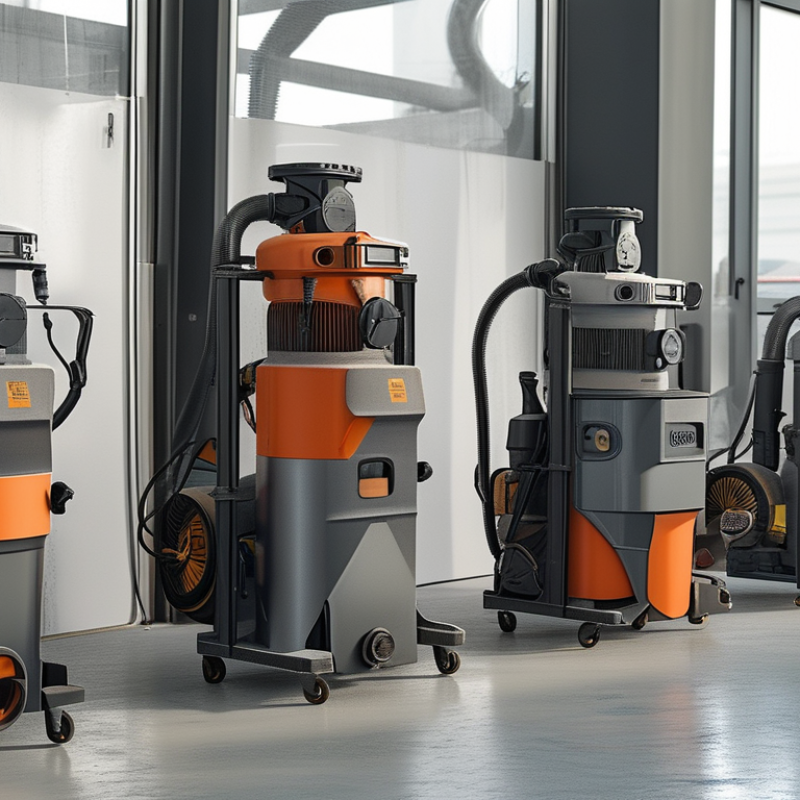
Top Tips for Choosing the Right Dust Collection Unit?
Choosing the right Dust Collection Unit is crucial for maintaining a clean and safe workspace. A suitable unit can significantly improve air quality and minimize health risks. With various options available, it can be overwhelming to select the best one.
Start by evaluating your specific needs. Consider the type of materials you work with and the volume of dust produced. Different units cater to diverse applications, so understanding your requirements is essential. For example, a shop using fine sawdust might need a different approach than one dealing with larger debris.
Additionally, think about the space you have. The size and footprint of a Dust Collection Unit can impact your workflow. A compact unit might fit better in smaller areas, while larger spaces can accommodate bigger systems. Reflecting on these aspects will guide you in making a more informed choice.
Understanding the Importance of Dust Collection in Workplaces
Dust collection is critical in many workplaces. According to the American Industrial Hygiene Association, over 2 million workers are exposed to harmful dust each year. This exposure can lead to severe respiratory issues and even chronic diseases. Ensuring a well-functioning dust collection system can significantly reduce these risks.
Proper dust collection systems help maintain air quality. They capture harmful particles before they enter the breathing zone. A study from the National Institute for Occupational Safety and Health showed that workplaces with effective dust control had a 50% lower incidence of respiratory problems in employees. This improvement is vital for employee health and productivity.
However, choosing the right system isn't always straightforward. Many companies overlook the importance of specific needs, such as the type and volume of dust generated. A poorly matched dust collection unit can lead to inefficiencies, increased costs, and health risks. It's essential to understand the unique environment and hazards present in order to make an informed decision.
Key Factors to Consider When Selecting a Dust Collection Unit
When selecting a dust collection unit, understanding your specific needs is crucial. The size of the workspace plays a significant role. Larger areas may require a more powerful system to maintain air quality effectively. Consider the type of dust generated as well. Wood dust, for example, can present unique challenges compared to metal or plastic particles.
Assessing the filtration efficiency is also vital. High-efficiency filters can capture smaller particles, reducing health risks. Look into airflow rates. A unit that moves a higher volume of air may prove more effective, but it must also balance noise levels. Sometimes, noise can become a distraction.
Watch for the system’s versatility. Some models may allow for customization with attachments for different tasks. However, one might struggle with complex setups. It’s valuable to think about maintenance, too. Regular upkeep is necessary to ensure longevity and performance. So, considering these factors can lead to more informed decisions. Your workspace deserves the best air quality possible.
Types of Dust Collection Systems: Which is Right for You?
When choosing a dust collection system, understanding the types available is crucial. There are several types: baghouse collectors, cartridge collectors, and cyclones. Each serves specific needs based on the type of dust and the volume generated. According to a recent industry report, proper selection significantly improves air quality and machine efficiency.
Baghouse collectors are effective for larger particles and higher volumes. Cartridge collectors work well for fine dust, providing a compact option for limited spaces. Cyclone collectors can separate larger particles before they reach a filter, enhancing the system's longevity. Choosing the right type directly impacts operational costs and productivity.
When selecting a system, consider airflow needs and the specific types of materials you'll be collecting. A system with insufficient capacity can lead to system failure or increased operational costs. Regular maintenance should also not be ignored; neglecting filter changes reduces efficiency. Think about how each type aligns with your environmental goals, as air quality regulations are becoming stricter.
Top Tips for Choosing the Right Dust Collection Unit
This bar chart illustrates the efficiency ratings of different dust collection systems. Selecting the right unit depends on your specific requirements, including the size of the particles, the volume of air needing filtration, and the working environment. Higher efficiency ratings indicate better filtration capabilities.
Evaluating Performance Metrics: Airflow, Filtration, and Efficiency
When selecting a dust collection unit, evaluating performance metrics is crucial. Airflow is an essential factor. It directly impacts the efficiency of dust removal in your workspace. Look for units with sufficient airflow ratings for your specific needs. Too little airflow can leave hazardous dust particles lingering. Consider conducting a test to measure how well the unit performs under real conditions.
Filtration is another critical aspect. A good filtration system captures even the finest dust particles. Check the filter specifications and ensure they comply with industry standards. High-efficiency particulate air (HEPA) filters can trap 99.97% of particles, making them ideal for workshops. Remember to assess how often filters will need replacement.
Efficiency goes hand in hand with performance metrics. A more efficient unit saves energy and reduces operational costs over time. Analyze the energy consumption rates of different models. Some may appear cheaper initially but can be costly in the long run due to energy inefficiency.
Do not forget to consider your workspace layout. The placement of the dust collection unit can affect airflow and filtration effectiveness. Evaluate the distance between the unit and the dust source. A closer proximity often yields better results. Reflect on your system regularly; what worked last year may not suit your current setup.
Budgeting for Your Dust Collection System: Cost vs. Value Analysis
When budgeting for a dust collection system, it's crucial to understand the balance between cost and value. Many units appear affordable upfront, but hidden expenses can arise. Consider installation costs, maintenance, and replacement parts. A cheaper model may save money initially but could lead to higher long-term costs due to inefficiency or frequent repairs.
Investing wisely in durability and performance can provide better air quality and worker safety. Evaluate the capacity you need. Overestimating can lead to unnecessary expenses on a larger system. Conversely, underestimating could result in inadequate dust control. Research the specifications of different units and consult with experts for tailored advice.
Reflect on your workshop's specific needs. Factors like space constraints and types of materials processed play a role. While some may prioritize price, others might look for performance reliability. The right dust collection system supports a healthier working environment. Your choice will impact productivity and safety for years to come. Prioritize long-term value over short-term savings when making your decision.