Top Tips for Choosing Restroom Stall Walls That Last?
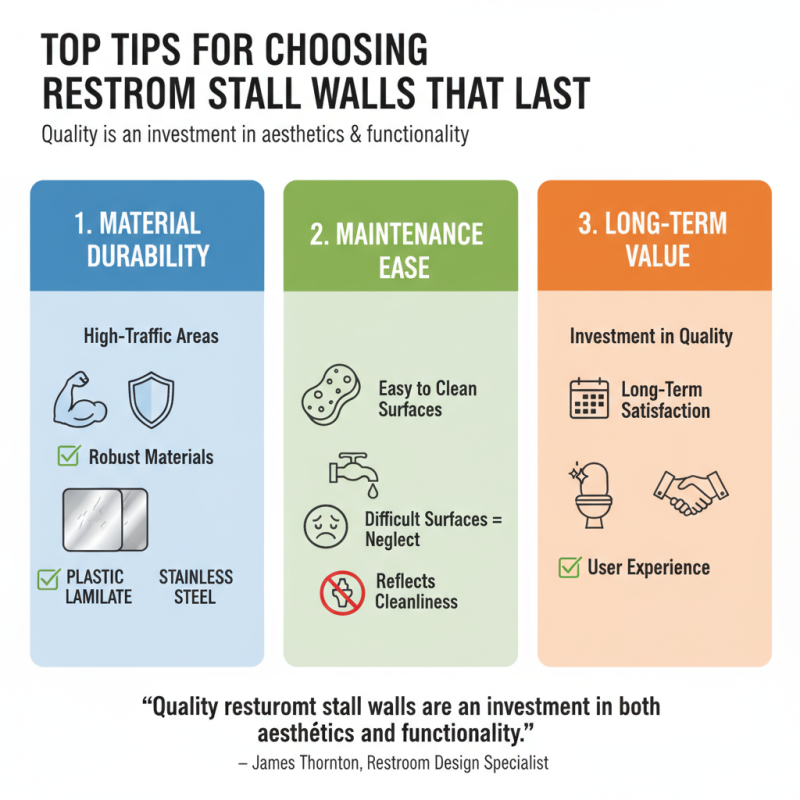
Selecting Restroom Stall Walls can be a daunting task. Experts suggest careful consideration of materials and durability. James Thornton, a leading specialist in restroom design, emphasizes, "Quality restroom stall walls are an investment in both aesthetics and functionality."
When choosing restroom stall walls, think about the environment. High-traffic areas require robust materials. For instance, plastic laminate might wear out quickly, while stainless steel can resist scratches.
Maintenance also matters. Consider how easy it is to clean the walls. Difficult surfaces may lead to neglect over time. Remember, restroom stall walls reflect your commitment to cleanliness and user experience. Investing in high-quality walls is essential for long-term satisfaction.
Assessing Material Durability for Restroom Stall Walls
When selecting restroom stall walls, material durability is crucial. Different materials have varying lifespans and resistance to wear and tear. For instance, metal stalls may rust in humid environments, while plastic can fade and become brittle with time. Understanding the longevity of each option can prevent costly replacements.
In addition, consider the daily usage. A busy facility may require sturdier options, such as solid plastic or stainless steel. These materials often withstand heavy impact and moisture. Take note of scratches and chips that can accumulate over time. Choosing the right material should involve a balance of aesthetics and practicality.
Furthermore, don’t overlook maintenance. Some materials are easier to clean than others, impacting their longevity. A well-maintained stall can last longer. Reflect on how your choice will hold up against vandalism and constant use. Frequent assessments might reveal unexpected weaknesses in your initial choice.
Top Tips for Choosing Restroom Stall Walls That Last - Assessing Material Durability for Restroom Stall Walls
| Material Type | Durability Rating | Maintenance Frequency | Cost per Unit | Environmental Resistance |
| Stainless Steel | High | Every 6 months | $800 | Corrosion Resistant |
| Solid Plastic | Medium | Annually | $600 | UV Resistant |
| Phenolic | Very High | Every 2 years | $700 | Water Resistant |
| Wood Composite | Low | Every 6 months | $500 | Prone to Water Damage |
| Glass | Medium | Annually | $900 | Impact Resistant |
Understanding Different Types of Restroom Stall Wall Materials
When selecting restroom stall wall materials, it’s essential to understand the options available. Common choices include plastic laminate, stainless steel, and solid plastic. Each material has its strengths and weaknesses. For example, plastic laminate is visually appealing but can easily chip or scratch. In contrast, stainless steel is robust but may show fingerprints and scratches over time.
Solid plastic is gaining popularity. It’s durable and resistant to moisture. However, colors may fade after years of use. Maintenance is a critical consideration. Some materials require more upkeep than others. Metal stalls might need regular polishing, while laminate could need frequent repairs. Choosing walls that withstand frequent use is vital, but it’s equally important to consider aesthetics.
Reflecting on your decision is also key. What might look good initially could become a headache later. Think about the specific needs of your restroom space. Will the stall walls endure heavy traffic? Are there specific hygiene requirements? These details matter greatly. In the end, the best choice balances durability and visual integrity.
Evaluating Maintenance Requirements of Various Wall Options
When evaluating restroom stall wall options, maintenance requirements play a crucial role. Different materials come with varying upkeep needs. For instance, metal dividers may require regular polishing to keep them free from rust. In contrast, laminate surfaces might need less frequent attention, but they could suffer from scratches more easily.
Consider the accessibility of cleaning. Smooth finishes are easier to wipe down. Textured surfaces, while aesthetically appealing, tend to trap dirt and grime. It's worth pondering if aesthetics outweigh practicality. Check if the walls are resistant to moisture. High humidity can lead to mold growth, making maintenance even more challenging.
Reflecting on longevity, think about how often you want to replace these walls. Some options are more durable but may demand more intensive upkeep. It would help to balance the initial investment and the ongoing care required. Ultimately, evaluating these factors can lead to a more suitable choice for restroom stalls.
Considerations for Aesthetic and Functional Design Choices
When choosing restroom stall walls, aesthetics and functionality are critical. Aesthetic choices can enhance the overall atmosphere. Consider colors that evoke cleanliness and calm. Subtle colors like soft blues or muted greens can create a welcoming space. Patterns can add character, but they should not overwhelm. Simple, elegant designs often work best in restrooms.
Functionality also plays a major role. Stall walls should be durable and easy to clean. Materials like fiberglass or high-pressure laminate resist moisture and stains. Think about maintenance; a wall that wears quickly leads to added costs. Also, consider the height and privacy of stalls. Taller walls can offer better privacy, which can be a significant factor for users.
Sometimes, aesthetics may clash with function. An eye-catching design might compromise durability or privacy. Reflect on how these elements interact. Striking the right balance can be challenging. Don’t underestimate user feedback, either. Regular users can provide valuable insights that improve design choices. Their experience matters, and adjustments may be necessary.
Budgeting for Long-Term Investments in Restroom Stall Walls
When budgeting for restroom stall walls, consider their lifespan. Investing in durable materials can lead to significant long-term savings. According to industry reports, stainless steel walls can last up to 25 years if properly maintained. This longevity can reduce replacement costs and maintenance time.
In contrast, less durable materials might seem cheaper up front. However, they often require replacement within 5-10 years. This can double overall costs when you factor in labor and disposal fees. Choosing the right material is crucial. While plastic might be appealing due to its low initial cost, it often shows wear and tear more quickly than metal options.
Additionally, consider the impact of installation costs. Quality installation can extend the life of your restroom stall walls. Hiring experienced professionals is an investment that pays off. Experts suggest that proper installation can enhance durability by 15%. Reflecting on these factors can help create a practical budget for restroom projects. Seek quality over the lowest price to ensure your decision withstands the test of time.