Top Tips for Buying Used Automatic Cars for Sale
The market for used automatic cars for sale is thriving, attracting many buyers. According to recent industry reports, about 40% of car buyers prefer automatic transmissions over manual ones. This preference stems from the convenience automatic cars offer in various driving conditions. In cities with heavy traffic, automatics significantly reduce stress.
However, purchasing a used vehicle can be daunting. Many buyers may overlook crucial factors. For instance, a 2019 study revealed that nearly 30% of used car buyers regretted their choice within three months of purchase. This indicates a need for thorough inspection and research before committing to a deal.
While shopping for used automatic cars, it is essential to consider the vehicle's history and condition. Buyer satisfaction often hinges on factors like mileage, service records, and accident history. Neglecting these details can lead to costly repairs down the line. With attention to these critical elements, buyers can make informed decisions that enhance their driving experience.
Understanding the Benefits of Buying Used Automatic Cars
Buying a used automatic car can be a smart choice. Many drivers appreciate the convenience of automatic transmissions. They require less effort, especially in heavy traffic. This can lead to a more enjoyable driving experience.
Affordability is another significant benefit. Used automatic cars are typically cheaper than new ones. This means more money for other expenses. However, it’s essential to check the vehicle’s condition. Look for signs of wear and tear. A thorough inspection can prevent future costs. Sometimes, immediate savings might lead to unexpected repairs later.
Automatic cars often come with advanced features. These can enhance safety and comfort. Yet, not every used model may have up-to-date technology. This is where careful research comes into play. It’s crucial to balance between the price and the features you desire. Reflect on your driving habits and needs before making a decision.
Key Factors to Consider When Choosing a Used Automatic Car
When choosing a used automatic car, careful consideration is vital. Inspect the car's condition thoroughly. Check for signs of wear, both inside and out. Look for rust, dents, or scratches that may indicate neglect. Don't forget to examine the tires, as they can reveal a lot about how well the car has been maintained.
It's essential to review the vehicle history report. This report can uncover accidents, title issues, and previous ownership. A clean history often indicates good care. However, a couple of minor accidents may not be a dealbreaker if repaired properly. Bring along a knowledgeable friend to help assess the car. Their perspective can reveal things you might miss.
Test driving is non-negotiable. Pay attention to how the transmission shifts. Any delays or jerking can indicate deeper issues. Listen for unusual sounds, especially during acceleration. Be aware that a used car may not drive like new. It's important to keep expectations realistic. Consider overall comfort and space as well. The right fit matters.
How to Inspect the Condition of a Used Automatic Vehicle
When inspecting the condition of a used automatic vehicle, focus on several key areas. Start with the exterior. Check for scratches, dents, and rust. Look closely at the paint quality. This can reveal how well the car was maintained. A few imperfections are normal, but extensive damage raises concerns.
Next, examine the interior. Sit in the seats. Do they feel comfortable? Check for wear and tear on upholstery. A clean interior is a good sign. Don't overlook the dashboard and controls. Ensure everything functions as it should. This includes the air conditioning, lights, and sound system.
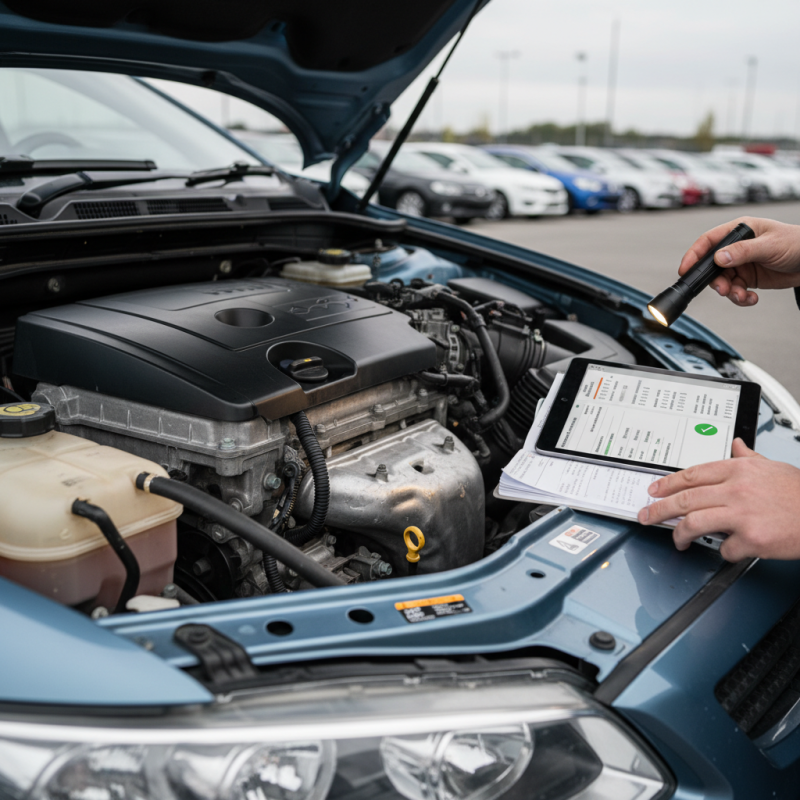
Also, pay attention to the engine. Open the hood and inspect for leaks or corrosion. Look at the fluid levels; they should be within normal ranges. If the seller allows it, take the car for a test drive. Listen for any unusual sounds while accelerating or braking. This step can reveal hidden issues.
Tip: Always bring someone knowledgeable with you. They may spot things you miss. Trust your instincts. If something feels off, consider walking away. This decision is vital in buying the right automatic vehicle.
Evaluating the Vehicle History Report for Used Cars
When buying a used automatic car, the vehicle history report is crucial. This document tells you about past accidents and title issues. It can shed light on whether the car has been well-maintained or neglected. If there are too many repairs listed, that could be a red flag. Look for patterns that might indicate deeper problems.
Consider reviewing the mileage recorded over the years. Inconsistencies might suggest odometer tampering. A sharp drop in mileage can be concerning. If you see this, dig deeper. Ask the seller for explanations. It might be harmless, but it could signal dishonesty.
Don’t skip on checking if the car has a salvage title. This means it has been declared a total loss at some point. Vehicles with such titles can have hidden issues. It’s easy to overlook this detail. Many buyers focus solely on the car's condition. Always remember, a thorough report can save you from future headaches.
Top Tips for Buying Used Automatic Cars for Sale - Evaluating the Vehicle History Report for Used Cars
| Dimension | Details |
| Make | Toyota |
| Model | Camry |
| Year | 2018 |
| Mileage | 30,000 miles |
| Accident History | No reported accidents |
| Service Records | Complete service history |
| Title Status | Clean title |
| Last Owner | Local owner |
Negotiating the Best Price for Used Automatic Cars
Negotiating the best price for used automatic cars can be challenging. Start by researching the average market price for similar models. According to industry reports, used car prices have risen by about 15% in the last year. This trend can affect your negotiation strategy. Know the specifics of the model you're interested in, including its average mileage and condition.
When you begin discussions, it’s important to establish a budget. Use data from sources like Kelley Blue Book to highlight price discrepancies. Many sellers may not account for wear and tear, so be prepared to negotiate on these grounds. Bring up any maintenance issues or less desirable features. Sellers may be more willing to lower prices when faced with factual information.
Remember that negotiation is not just about getting the lowest price. The goal is to find fair value. In some cases, an overly aggressive negotiation can backfire. Establish rapport with the seller and respect their boundaries. If they feel pressured, they may refuse to budge. Flexibility could lead to a better deal than you initially expected, as trust is often the key in negotiations.