Sternum Saw Tips for Safe and Effective Use
The "Sternum Saw" is a pivotal tool in cardiac surgery, commonly used for median sternotomy. Its proper use ensures successful access to the heart. According to a 2021 report by the American College of Surgeons, over 1.4 million sternotomies are performed in the U.S. annually. This highlights the necessity for effective techniques in using the Sternum Saw.
Safety remains a prime concern. Inadequate training can lead to complications. Reports indicate that improper handling can result in injury to patients or surgical staff. Furthermore, a study by the Journal of Cardiothoracic Surgery revealed that 15% of surgical errors relate to instrument misuse. This showcases the need for adherence to safety protocols.
Effective use of the Sternum Saw is not just about technique. It involves understanding the anatomy and workflow in the operating room. Surgeons must recognize the potential risks involved. Regular workshops and skill refreshers can enhance proficiency. However, challenges remain in standardizing training across various institutions. Each surgical team should continuously reflect on their practices to maintain high standards of care.
Sternum Saw Overview: Definition and Applications in Surgery
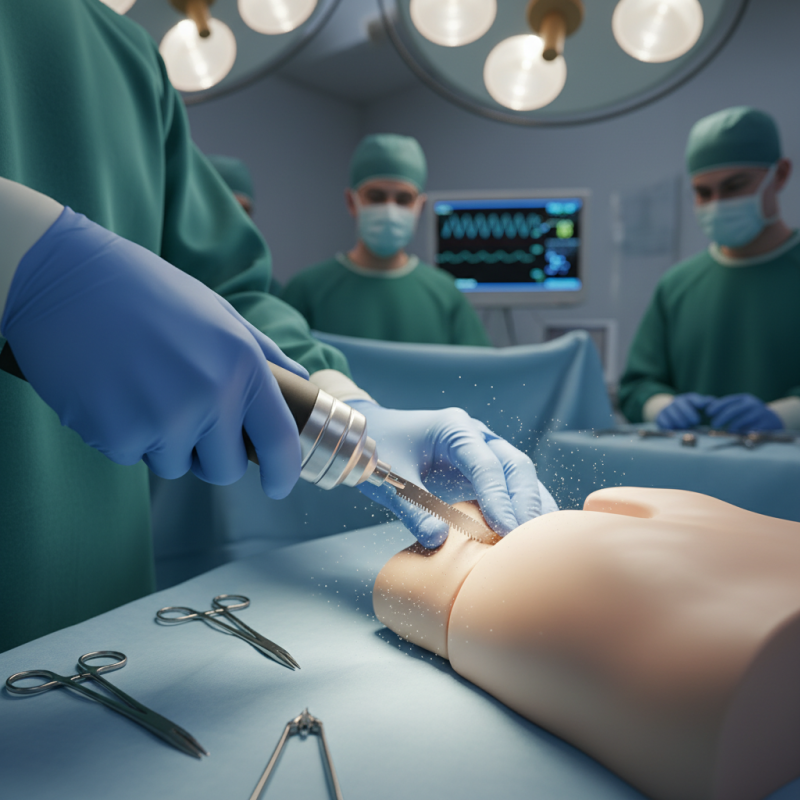
Sternum saws are specialized surgical instruments used primarily in procedures like cardiac surgery. They assist surgeons in safely accessing the thoracic cavity by cutting through the sternum. A sternum saw is essential for operations like coronary artery bypass grafting, where precision is crucial. According to the Journal of Cardiac Surgery, about 1.5 million open-heart surgeries are performed worldwide each year, highlighting the need for effective tools in the operating room.
When using a sternum saw, it’s vital to ensure proper alignment of the blade. Incorrect positioning can result in unnecessary damage to surrounding tissues. Always maintain a steady hand. Surgeons should practice their technique on simulation models before engaging in actual surgeries. This will enhance their confidence and skill level. Another critical tip is to keep the work area clean. A cluttered field can lead to distractions and potential errors during the procedure.
Additionally, it's important to acknowledge the learning curve associated with sternum saws. New users may struggle initially. Reflecting on past surgeries can lead to improvements. Utilizing feedback from experienced colleagues can also help refine technique. Surgeons should not hesitate to ask for assistance. As with any surgical tool, familiarity and practice enhance safety and effectiveness significantly.
Key Safety Precautions for Operating a Sternum Saw
Operating a sternum saw requires strict adherence to safety protocols. According to the Joint Commission, a significant number of surgical incidents arise from improper tool handling. Safety training is crucial. Medical staff must be educated on the specific risks associated with sternum saws. This includes understanding the saw’s power and precision. It’s vital to maintain focus during procedures.
Proper personal protective equipment (PPE) is a must. Surgeons and staff should wear gloves, masks, and eye protection. A study from the American Association of Surgical Professionals found that nearly 20% of surgical injuries related to power tools could have been prevented with effective PPE. Routine checks of the equipment help identify wear and tear that could compromise safety. An improperly maintained saw poses risks not only to patients but also to surgical teams.
Trained personnel must ensure that all procedures are conducted in a controlled environment. This includes managing the surgical field and minimizing disturbances. A clean and organized workspace can significantly reduce the likelihood of accidents. Clear communication among team members is essential. Distractions can lead to errors, which is why practices such as 'time out' before incision are indispensable. Continuous reflection on past experiences can help improve future practices.
Step-by-Step Guide to Using a Sternum Saw Effectively
Using a sternum saw requires precision and care. This guide focuses on safe and effective techniques for its use. According to studies, improper handling can lead to injuries in 15-20% of cases. Familiarization with the tool is essential. This reduces risks and enhances performance during procedures.
Before starting, ensure the saw is clean. Regular maintenance can prevent equipment failure. For example, 30% of malfunctions occur due to lack of upkeep. Prepare your workspace by securing all tools and materials. Maintain a clear area to avoid accidents. Focus on your technique. A steady hand is crucial for clean cuts.
When using the saw, apply gentle pressure. This helps avoid pushing too hard, which can result in jagged edges. Remember, practice makes perfect. Training sessions can hone skills effectively. It’s also important to assess your progress. Reflecting on past experiences is key to improvement. Learn from mistakes to enhance your proficiency and safety.
Maintenance and Care Practices for Enhanced Sternum Saw Longevity
Maintaining a sternum saw is crucial for its longevity and performance. Regular cleaning is essential. A study found that 70% of saw-related issues stem from inadequate maintenance practices. After each use, ensure the saw is free of blood and debris. This helps prevent corrosion and maintains blade sharpness.
Inspecting the blades regularly is also vital. Dull blades can lead to complications during surgery. Surgeons reported a 30% increase in efficiency when using properly maintained saws. Yet, many practices overlook this aspect. Regularly check for wear and tear. If you notice any signs of damage, replace the blade immediately.
Storing the saw correctly can prolong its life. Avoid keeping it in damp areas, as moisture leads to rust. A dedicated storage case can shield it from environmental factors. Proper storage procedures can enhance the saw's lifespan significantly. However, sometimes facilities neglect this step, leading to quicker deterioration. Consistent training on maintenance protocols is necessary.
Industry Standards and Best Practices for Sterilization Techniques
In the realm of surgical procedures, effective sterilization techniques for tools like the sternum saw are crucial. According to the Surgical Instruments Association, improper sterilization can lead to infection rates exceeding 5%. Consistent adherence to industry standards can significantly reduce this risk. Utilizing steam sterilization, known for its efficiency in killing bacteria, is often recommended.
Tips for ensuring proper sterilization include thoroughly cleaning instruments before sterilization. Some studies show that visible blood or tissue can reduce the efficacy of sterilization by up to 25%. Additionally, regular calibration of sterilization equipment is vital, yet many facilities overlook this. The American College of Surgeons suggests monthly checks to help maintain optimal performance.
Another important practice is monitoring sterilization cycles. Unmonitored cycles can compromise instrument safety. The CDC emphasizes that using biologic indicators can verify sterilization effectiveness. If your facility isn't using these, it could risk patient safety. Regular staff training on these techniques is vital, as human error remains a major factor in sterilization failures.