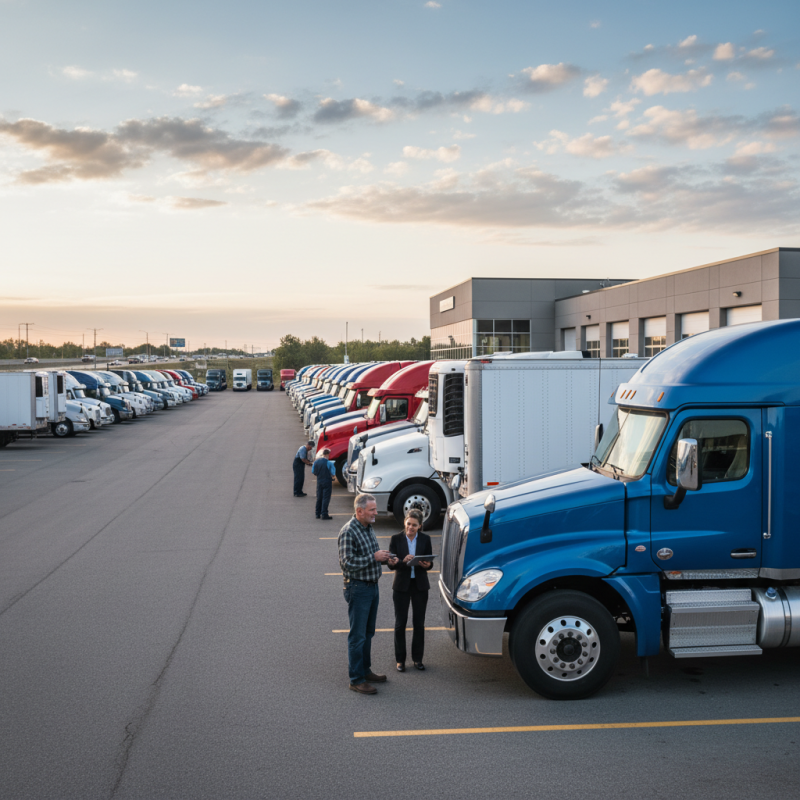
In the booming market of "truck and trailer for sale," it's vital to understand industry insights. John Smith, a veteran expert in commercial vehicles, once stated, "Choosing the right truck can make or break a business." His words resonate deeply for buyers and sellers alike. The variety of options available can be overwhelming, with many models and features to consider.
Buyers should know their needs. What purpose will the truck serve? Different jobs require specific capabilities. Every detail matters, from payload capacity to fuel efficiency. Each choice impacts long-term operations. Additionally, inspecting condition and mileage is essential. A truck might look great but can have hidden issues.
For sellers, presenting the truck well is crucial. Clear photos and accurate descriptions attract more buyers. Remember, potential buyers often look for the best value. They may compare prices and features with others. Reflecting on these points is necessary. A focus on quality and honesty can lead to lasting success in the market.
The Historical Development of Renewable Energy Technologies
The history of renewable energy is diverse and fascinating. It dates back thousands of years. Ancient civilizations harnessed wind and solar energy. Windmills were common in Persia around 500-900 AD. They helped grind grain and pump water. Solar energy was used in greenhouses too.
The modern era saw renewed interest in renewable technologies. The 19th century introduced hydropower. Dams generated electricity for growing cities. However, this growth brought environmental challenges. Many local ecosystems suffered. The need for balance became apparent.
In the late 20th century, concerns about fossil fuels emerged. Climate change became a pressing issue. Researchers explored cleaner alternatives. Wind and solar technologies advanced rapidly. Yet, challenges remain. Energy storage and grid integration need improvement. This ongoing development reflects a commitment to a sustainable future.
The Impact of Renewable Energy on Global Economies
Renewable energy is reshaping global economies. According to the International Renewable Energy Agency (IRENA), over 11 million people are employed in the renewable energy sector worldwide. This figure is expected to grow as more nations invest in sustainable sources. However, not all regions are benefiting equally. Developing countries often lag behind due to limited infrastructure and resources.
The transition to renewables is not without challenges. Some industries face job losses as fossil fuels decline. In 2021, IRENA reported a 5% decline in jobs linked to coal. This requires nations to rethink their workforce strategies. Transition planning is essential. Proper support for affected workers is key to reducing social tensions.
Investment in renewable energy is crucial for economic growth. A report from the World Economic Forum highlights that a shift to renewable energy could boost global GDP by $98 trillion by 2050. Yet, not all investments yield immediate returns. Short-term financial burdens can deter governments. Public perception often clashes with environmental goals. Balancing immediate needs with long-term benefits remains a challenge.
Challenges and Solutions in Renewable Energy Implementation
The quest for renewable energy is filled with hurdles. Many countries face challenges in deploying solar and wind technology. One major issue is the inconsistency of energy production. Sun and wind are not always reliable. This unpredictability can strain existing power grids. Storage solutions, like batteries, are still costly. They also require significant resources to produce and recycle.
Another challenge lies in public perception and policy. Some communities resist new energy projects. They may fear changing landscapes or job losses in traditional energy sectors. Policymakers need to address these concerns transparently. Educating the public about the long-term benefits of renewable energy is crucial. People need to see real results. Without collaboration, progress can stall.
While strides are being made, imperfections remain. Many renewable projects struggle with financing and scalability. Governments often prioritize immediate economic concerns. This can impede the transition to greener energy. Continuous dialogue and innovation are necessary to find workable solutions. Some projects will fail, but each setback offers valuable lessons. Recognizing these challenges is the first step towards meaningful change.
Challenges and Solutions in Renewable Energy Implementation
| Challenge | Description | Proposed Solution |
| Intermittency of Supply | Renewable energy sources like solar and wind are not always available. | Invest in energy storage systems (such as batteries) and a diversified energy mix. |
| High Initial Costs | The initial investment for renewable energy systems can be significant. | Implement government subsidies and incentives; encourage public-private partnerships. |
| Infrastructure Challenges | Existing grid infrastructure may not support renewable energy sources efficiently. | Upgrade and modernize existing grid infrastructure; develop smart grid technologies. |
| Regulatory Barriers | Complex regulations can hinder renewable energy projects. | Streamline permitting processes; encourage policies that support renewable energy deployment. |
| Public Acceptance | There may be local opposition to renewable energy projects. | Engage communities through education and awareness campaigns. |
Future Trends in Renewable Energy Innovations
The future of renewable energy is brimming with innovation. New technologies are emerging every day. Solar panels are becoming more efficient, capturing more sunlight. Wind turbines are being designed to produce energy even in low wind conditions. These advancements are essential for reducing our carbon footprint.
Tips: Explore local initiatives promoting renewable energy. Community projects often inspire innovation at a grassroots level. Consider seeing how energy-efficient homes are being built in your area.
Battery storage is another exciting frontier. Better batteries can store energy longer and more efficiently. Homeowners may soon rely solely on solar-generated power. However, the costs of these technologies remain a barrier. Can we find equitable solutions for all communities?
Tips: Keep an eye on policy changes that may affect energy costs. Engage in discussions about energy equity in your local networks. Everyone deserves access to clean energy solutions.
Future Trends in Renewable Energy Innovations
The Role of Government Policy in Promoting Renewable Energy
Government policy plays a crucial role in fostering renewable energy. In recent years, global investments in this sector have surged, reaching over $500 billion in 2022. Countries are increasingly recognizing the urgency of transitioning to cleaner energy sources. For example, the International Energy Agency (IEA) estimates that renewables could provide 30% of global energy by 2025 if current policies remain in place.
However, policy effectiveness can vary. Some regions lag behind due to inadequate incentives or unclear regulations. A recent report indicated that countries with strong renewable support saw a 20% increase in energy production from wind and solar. In contrast, others struggled with just a 5% rise, highlighting the impact of policy frameworks.
**Tips:** Focus on local policies that can drive change. Cities can initiate small-scale renewable projects that influence broader state policies. Engaging community stakeholders enhances success rates. Monitoring energy consumption can also reveal opportunities for improvement. This awareness empowers citizens to advocate for better policies.