What is a Slitter Cutter Machine and How Does it Work?
The Slitter Cutter Machine is an essential tool in the manufacturing industry. It efficiently cuts materials like paper, plastic, and metal into desired sizes and shapes. According to industry expert John Smith, "The Slitter Cutter Machine transforms raw materials into usable products with precision." His insight highlights the machine's significance in production.
Understanding how this machine operates is vital for manufacturers. The Slitter Cutter Machine utilizes sharp blades to slice through materials, improving throughput and reducing waste. However, it's crucial to note that not all machines are the same. Choosing the wrong model can lead to inefficiencies and higher costs. Many users overlook factors like blade sharpness and feed speed.
Engineers and operators should constantly evaluate their processes. Regular maintenance of the Slitter Cutter Machine can prevent unforeseen breakdowns. In every factory, there will be challenges in optimizing production. Reflecting on these issues can lead to better outcomes. The journey towards efficiency is ongoing, as technology evolves and demands change.
What is a Slitter Cutter Machine?
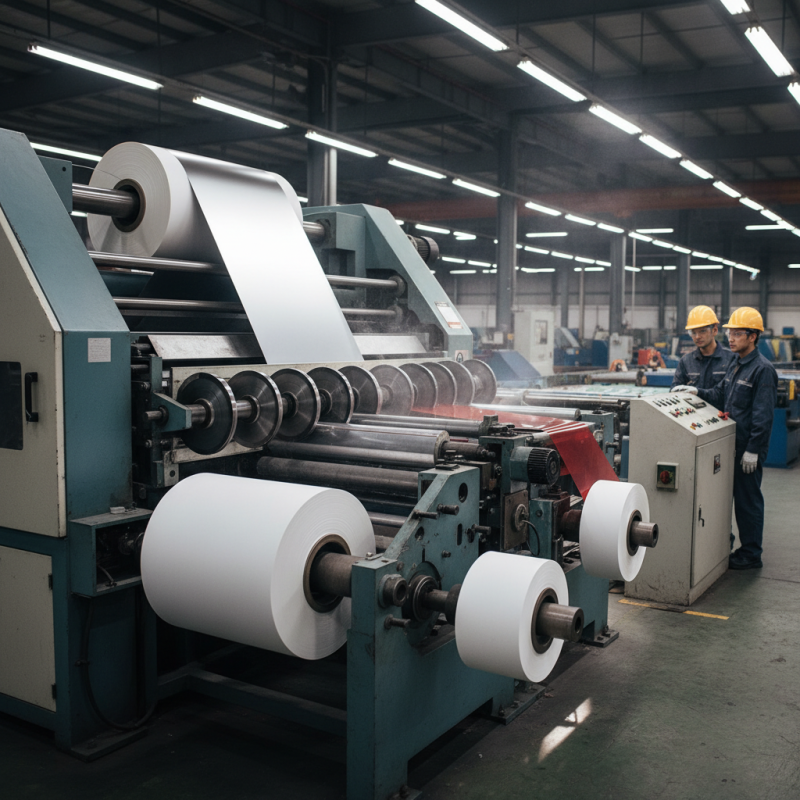
A slitter cutter machine is a vital tool in manufacturing. It’s designed to cut large rolls of material into smaller, manageable sheets or strips. This machine plays a significant role in various industries, including packaging, textiles, and metal processing.
The slitter cutter works by using sharp blades to slice through materials. Operators feed the material into the machine, which aligns and holds it steady. The blades then cut through, allowing precise control over the width of the cuts. Adjustments can be made for different products or formats. It's fascinating to see how such a machine can transform a bulky roll into neat bundles, enhancing efficiency.
However, the operation of a slitter cutter is not without challenges. Improper alignment can lead to waste or uneven cuts. Regular maintenance is crucial to keep the machine in good condition. This can be overlooked, resulting in potential breakdowns. It’s essential to reflect on the best practices for operation and upkeep. Attention to detail can make a significant difference in overall productivity.
Key Components of a Slitter Cutter Machine
A slitter cutter machine is essential in industries that deal with rolls of materials. It is designed to cut large sheets into narrower strips. This machine operates using a series of blades and a conveyor system, allowing for efficient and precise cutting.
Key components of a slitter cutter machine include the unwind stand, cutting blades, and the rewinder. The unwind stand holds the large roll of material, ensuring a steady feed into the blades. The cutting blades, usually made of high-grade steel, slice through the material at various widths. These blades need regular maintenance to stay effective, but sometimes they wear unevenly. This can lead to issues with cut quality.
The rewinder is another critical component. After cutting, it rewinds the strips back into smaller rolls. Proper tension control is vital here; too little can cause slippage, while too much can damage the product. Each component plays a role in the overall function of the machine. Yet, maintaining a balance between speed and precision can be challenging. Regular checks are needed to address potential faults.
How Slitter Cutter Machines Operate
Slitter cutter machines are essential in various industries, particularly in packaging and manufacturing. They excel at cutting large rolls of material into narrower strips or sheets. This process is vital for industries that use plastic, paper, or metal materials. According to a 2022 market report, the slitting machine market is expected to grow by 5% annually, reflecting the machinery's importance in production efficiency.
When a slitter cutter machine operates, it feeds a large roll through adjustable blades. These blades can be configured based on the desired width of the cut. Typically, the machine uses either rotary or shear cutting methods. The rotary method employs circular blades that rotate as they cut, allowing for higher speeds. Shear cutting uses straight blades and is often better for thicker materials. For instance, thin plastic films are commonly split using rotary methods. It fascinates me how this equipment adapts to different materials while ensuring precise cuts.
However, achieving precision can be challenging. Improper blade alignment can lead to unreadable defects. Additionally, maintenance is critical. Blades wear over time and need regular inspections. Ignoring this can result in costly production delays. Balancing speed and accuracy demands constant attention to detail. It's a fine line that manufacturers must walk to maintain quality.
Slitter Cutter Machine Operations Data
This bar chart presents key specifications for Slitter Cutter Machines, highlighting their operational speed, cutting width, blade thickness, and the number of material types they can handle. Such machines are essential in industries including packaging, textiles, and others where precision cutting is crucial.
Common Applications of Slitter Cutter Machines
Slitter cutter machines are used in various industries for precise cutting. One common application is in converting materials like paper and film. These machines create smaller rolls from larger ones. The process involves feeding the material through sharp blades. It is efficient and reduces waste significantly.
Another application is found in the packaging industry. Slitter cutters help create packaging materials of specific sizes and shapes. This customization is vital for meeting customer needs. Different industries require different thicknesses and widths. The variability can be challenging but also offers flexibility.
Textile manufacturing utilizes slitter cutters too. They cut fabric into desired widths for clothing production. The precision of cuts affects the final product's quality. However, misalignments can occur during the cutting process. These issues prompt ongoing adjustments to improve accuracy and reduce errors.
Benefits of Using a Slitter Cutter Machine
Slitter cutter machines are essential in various industries. They excel in precision cutting of materials like paper, plastic, and metal. This technology enhances workflow efficiency. According to industry reports, slitter machines can increase production speed by up to 30%. This boost supports meeting high-volume demands without sacrificing quality.
Using a slitter cutter machine reduces material waste significantly. It allows for precise cuts, which minimizes excess scrap. Some reports suggest that businesses can save up to 20% on material costs by implementing these machines. The ability to perform multiple functions within one device also leads to cost savings. However, businesses must be cautious. The initial investment can be high, and maintenance is crucial for optimal performance.
The versatility of slitter cutter machines is noteworthy. They can cut various materials into different widths. This capability enables customization for specific needs. Yet, operators require training. Mistakes during cutting can lead to significant losses. Balancing automation with skilled labor becomes essential for success. Understanding the machine’s limits is key to maximizing its advantages.