What is the Shelf Life of Chocolate and How to Tell if it's Expired
Chocolate is a beloved treat enjoyed by many. However, questions about Chocolate expiration come up frequently. Renowned food scientist Dr. Emily Parker states, "Chocolate can still be safe to eat after its expiration date, but quality may decline." This highlights the nuance in understanding chocolate's shelf life.
To grasp the concept of chocolate expiration, it is crucial to know the signs of spoilage. Look for changes in texture or appearance. A change in smell can also indicate that chocolate is past its prime. Many consumers are unaware that chocolate doesn't truly "expire" in the traditional sense. Instead, its taste and quality might deteriorate over time.
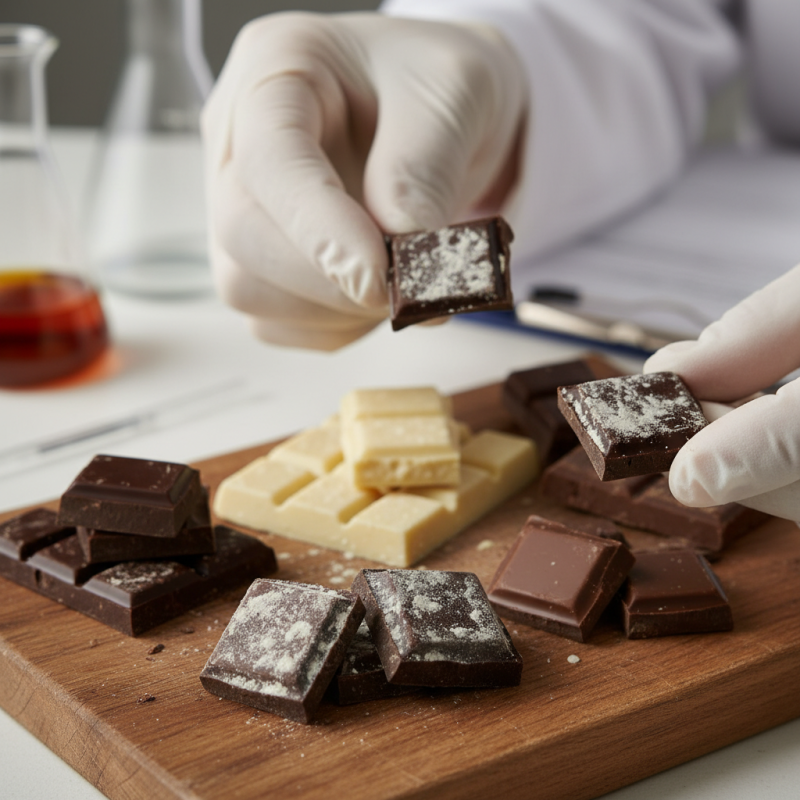
Chocolate can develop a whitish coating known as bloom. This occurs due to sugar or fat separation. It doesn’t mean the chocolate is unsafe, but it might not taste as good. Embracing these details fosters a deeper appreciation for chocolate and the complex factors influencing its longevity. Exploring chocolate expiration helps ensure satisfaction with each bite.
Understanding Shelf Life of Chocolate
Understanding the shelf life of chocolate is essential for any chocolate lover. Chocolate, if stored properly, can last a long time. Typically, dark chocolate can last up to two years. Milk chocolate, on the other hand, is more delicate and usually lasts about one year. The presence of milk and cream makes it more prone to spoilage.
To determine if chocolate has expired, look for signs like a white coating on the surface. This is called bloom and does not harm the chocolate. However, if you notice strange odors or a change in texture, it might be time to reconsider eating it. Always check the packaging for a best-by date; it provides a good guideline for freshness.
Storage conditions matter too. Keep chocolate in a cool, dry place away from strong odors. Avoid the fridge, as moisture can affect its texture. Past experiences often remind us that chocolate can lose its charm over time. Many might eat old chocolate, hoping for the best, yet it’s important to trust our senses. Your chocolate should bring joy, not disappointment.
Factors Affecting Chocolate Shelf Life
The shelf life of chocolate can vary significantly due to several factors. One of the primary influences is the type of chocolate itself. Dark chocolate, typically containing higher cocoa content and less sugar, can last up to two years. Milk chocolate, with more dairy and sugar, is more susceptible to spoilage and usually lasts about one year. According to industry data, chocolates that contain fruit or nuts have the shortest shelf life. These additions can introduce moisture, making chocolates spoil faster.
Storage conditions also play a critical role. Chocolate should be kept in a cool, dry place, ideally at temperatures between 65°F and 70°F. Exposure to light can cause fat bloom, leading to unsightly white streaks. Humidity, on the other hand, can encourage mold growth. Many people do not realize that improper storage can reduce the quality, even if the chocolate is not expired. For instance, chocolate stored near strong odors can absorb those odors, altering its flavor.
Finally, packaging matters. An unopened bar of chocolate typically lasts longer than one that has been partially consumed. Once opened, it may lose its freshness within a few months. Learning to read the “best by” dates can help, but they are not always indicative of actual spoilage. Chocolate might still be safe to eat after this date, but the quality may decline. Regularly checking for texture changes or off-odors can help you decide whether your chocolate is still good.
Signs That Chocolate Has Expired
When it comes to chocolate, knowing when it has expired is essential. Signs that chocolate has gone bad often include visual changes. Look for a whitish film or a chalky appearance. This is called bloom, caused by temperature changes. While bloom may not harm you, the texture and taste can suffer.
Another sign is a change in smell. Fresh chocolate has a rich aroma. If it smells waxy or off, it's best to discard it. Additionally, taste is crucial. If chocolate's flavor is dull or bitter, it likely isn't good anymore. Bitterness might indicate oxidation or rancidity.
Lastly, check the texture. Old chocolate can become hard or crumbly. If it doesn’t melt smoothly in your mouth, that’s a red flag. Always trust your senses. If it seems 'off', it probably is. It's better to enjoy fresh chocolate than risk a bad experience.
Storage Tips to Extend Chocolate Freshness
Chocolate should be stored carefully to maintain its quality. Ideally, it should be kept in a cool, dark place. A pantry or cupboard works well, provided the temperature remains steady. Experts suggest around 65 to 70 degrees Fahrenheit (18 to 21 degrees Celsius) is optimal. Avoid temperature fluctuations, which can cause blooming.
Humidity is another concern. Chocolate can absorb moisture, which dulls its flavor and texture. Keeping chocolate in a sealed container helps prevent this. An airtight box is ideal. Interestingly, research shows that chocolate with higher cocoa content has a longer shelf life, often lasting up to two years when stored correctly. In contrast, milk chocolate typically lasts for around one year.
While chocolate can be delicious well past its expiration date, it may lose some quality. Look for changes in texture or appearance. Fat bloom, a white coating, indicates poor storage conditions. It does not make the chocolate unsafe but affects the taste. If chocolate smells off or has a strange texture, it’s better to discard it. Regularly check your chocolate stash and rotate stock to enjoy it at its best.
Best Practices for Chocolate Consumption and Safety
When it comes to enjoying chocolate, understanding best practices for consumption and safety is vital. A study by the Chocolate Manufacturers Association suggests that chocolate can maintain its best quality for up to two years, depending on its type. Dark chocolate has the longest shelf life, while milk and white chocolates last about a year. Always check for signs of expiration, like discoloration or a strange smell, to ensure safety.
Proper storage is crucial. Keep chocolate in a cool, dry place, ideally between 65°F and 70°F. Avoid exposing it to light or strong odors, which can alter its flavor. Using an airtight container can also extend its freshness. Despite these guidelines, some chocolates may still develop a white coating, known as bloom. This isn't harmful, though it can affect taste.
When indulging, remember moderation is key. Overeating chocolate can lead to discomfort or health issues. Aim to enjoy a small piece at a time. Always be mindful of ingredients and added sugars. While chocolate may bring joy, reflecting on its quality and your intake is essential for a satisfying experience.