What is a Rubber Mixing Mill and How Does it Work?
A rubber mixing mill is essential in the rubber manufacturing process. It plays a crucial role in blending rubber compounds. This machine ensures the right consistency and quality needed for final products.
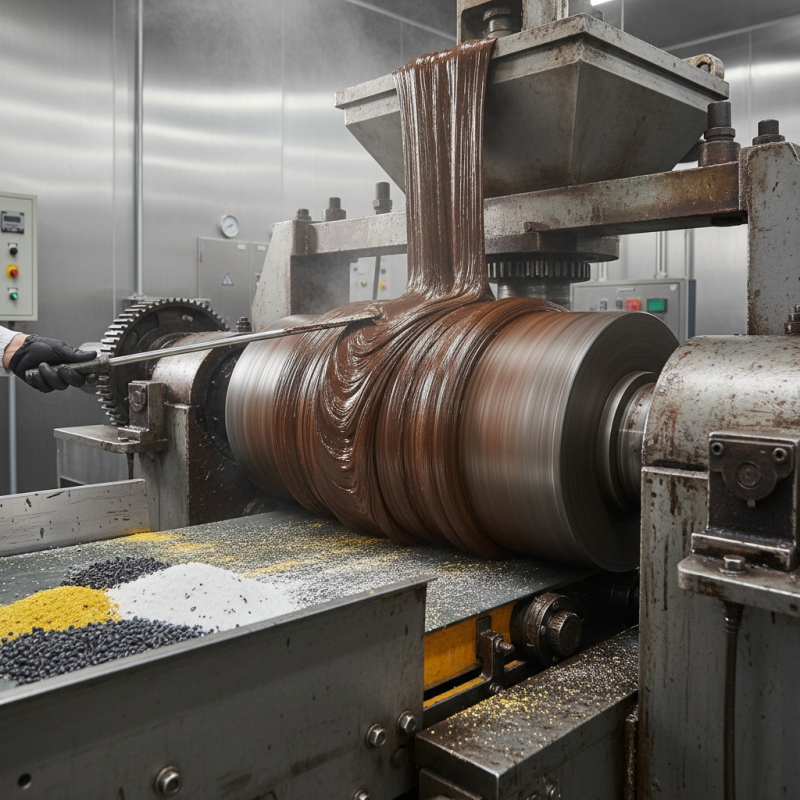
The 9 Rubber Mixing Mill operates with two large cylindrical rolls. These rolls rotate in opposite directions. This action helps to shear and disperse materials effectively. The mill can heat or cool the rubber as needed. Various additives can be included during mixing, providing diverse properties.
Understanding the rubber mixing mill's functionality is vital for quality control. Sometimes, the results may not meet expectations. Factors like roll temperature and mixing speed can influence the outcome. There’s always room for improvement, even in established methods. The complexities of rubber mixing remind us to remain attentive and adaptable in our processes.
What is a Rubber Mixing Mill?
A rubber mixing mill is an essential machine in the rubber industry. Its primary function is to blend raw rubber with various additives. This process helps create a uniform mixture, which is crucial for producing high-quality rubber products.
Typically, the mill consists of two heavy rollers that rotate in opposite directions. The gap between these rollers can be adjusted to control the thickness of the material. Industry reports indicate that rubber mixing mills can improve mixing efficiency by 30% compared to traditional methods. This efficiency is vital, especially in the production of tires, seals, and gaskets.
Tips: Regular maintenance is key. Inspect the rollers for wear and ensure lubrication is adequate. This will prolong the life of the machine.
Another point to consider is the temperature during mixing. Higher temperatures can lead to premature curing of rubber, negatively affecting the final product. Monitoring the temperature is crucial to maintain consistency.
Tips: Utilize temperature sensors to monitor heat levels while mixing. This small investment can save costs in the long run by preventing defective products.
Key Components of a Rubber Mixing Mill
A rubber mixing mill is essential in the rubber industry. Its main function is to blend various types of rubber and additives. This process ensures uniformity and enhances the material's properties. The mill's design comprises several key components.
The rollers are one of the main parts. They are cylindrical and rotate in opposite directions. This movement helps mix the rubber efficiently. Operators can adjust the gap between the rollers based on the desired consistency. Heat plays a crucial role here. It influences the viscosity of the rubber mixture.
Another significant component is the hopper. This is where raw materials are fed into the mill. A well-designed hopper can prevent jams and ensures a steady flow. An effective mixing process enhances product quality. However, monitoring the operation is crucial. Overloading the mill can lead to uneven mixing or even damage.
Tips: Keep the mill clean and maintain its parts regularly. Neglecting maintenance can lead to unsatisfactory results. Also, observe the mixing time closely. Too long or short can result in poor compound quality. It's essential to reflect on these details to improve efficiency.
Principles of Operation in Rubber Mixing Mills
In the realm of rubber manufacturing, mixing mills play a crucial role. These machines blend raw rubber with additives. This process enhances the properties of the rubber. Understanding the principles of operation can help optimize performance.
Rubber mixing mills consist of two large rollers that rotate. One roller typically turns faster than the other. This creates a shear force that effectively mixes the rubber. Heat generated during this process helps to further blend the materials. Proper temperature control is essential. Too much heat can degrade the rubber's quality.
Tips: Keep an eye on roller speed. It affects the mixing efficiency. A slower speed might not mix well. Monitor the temperature closely. Overheating can lead to unwanted chemical reactions. Regular maintenance of the mill is crucial. It prevents downtime and ensures consistent quality.
Mixing mills require precise calibration. An imbalance could lead to uneven batches. Operators need to be vigilant. Even small variations can affect the final product. Experiment with different mixing times to find the best results. It's a trial-and-error process. Being attentive to detail will lead to better outcomes in rubber blending.
Applications of Rubber Mixing Mills in Industry
Rubber mixing mills play a vital role in various industries. These machines blend rubber compounds, ensuring consistency and quality. Their application extends to tire manufacturing, where different rubber types are mixed for tread and sidewall production. This process is crucial for durability and performance.
Moreover, rubber mixing mills are essential in the production of seals, gaskets, and hoses. Each item requires precise mixing to achieve specific properties. Ineffective mixing can lead to weaker products. Additionally, industries like footwear benefit from tailored rubber blends for comfort and resilience.
Challenges arise in the mixing process. Achieving the right consistency can be tricky. Sometimes, batches may not meet desired specifications. Continual adjustments are necessary. With practice, operators learn to identify these issues early. The importance of proper training cannot be overstated. A well-trained technician can significantly improve the outcomes of rubber mixing.
Maintenance and Safety Practices for Rubber Mixing Mills
Maintaining rubber mixing mills is crucial for optimal performance. Regular inspections can prevent costly downtimes. Checking for wear and tear should be routine. Identify any unusual noises during operation. These could indicate underlying issues. Daily cleaning is also essential. Remove debris and residue from the mixing area. A clean environment can enhance both safety and efficiency.
Safety practices are equally important. Operators should wear appropriate protective gear. This includes gloves and safety glasses. Emergency stop buttons must be easily accessible. Proper training is vital for all staff using the mill. Misunderstandings can lead to accidents. Encourage a culture of safety awareness. Regular safety drills can keep everyone prepared.
Lastly, documentation of maintenance logs should not be overlooked. Keeping track of repairs and inspections aids in accountability. It helps identify patterns that may require addressing. Reflecting on past experiences can lead to better practices. Always look for ways to improve the maintenance routine. It's an ongoing process.
Rubber Mixing Mill Performance Comparison