
How to Prevent Disposable Food Container Mold Tips and Tricks?
Mold growth in disposable food containers is a significant concern in the food industry. The CDC reports that foodborne illnesses affect 48 million Americans each year. High humidity and temperature increase the likelihood of "Disposable Food Container Mold." According to Dr. Jane Carter, a leading expert in food safety, "Mold thrives in environments we often overlook, impacting both safety and taste."
Industry statistics reveal that over 30% of households struggle with mold in storage containers. This can lead to wasted food and health risks. Many consumers are unaware of proper storage techniques. Some assume that cleaning methods are sufficient. However, they may not realize that residual moisture promotes mold growth.
To combat this issue, it's vital to adopt effective practices. Using airtight containers and ensuring thorough drying can help. Still, even when precautions are taken, mold may still find a way. Recognizing the signs of mold is crucial. Consumers should remain vigilant about the condition of their containers. Understanding the risks associated with "Disposable Food Container Mold" is essential for maintaining food safety.
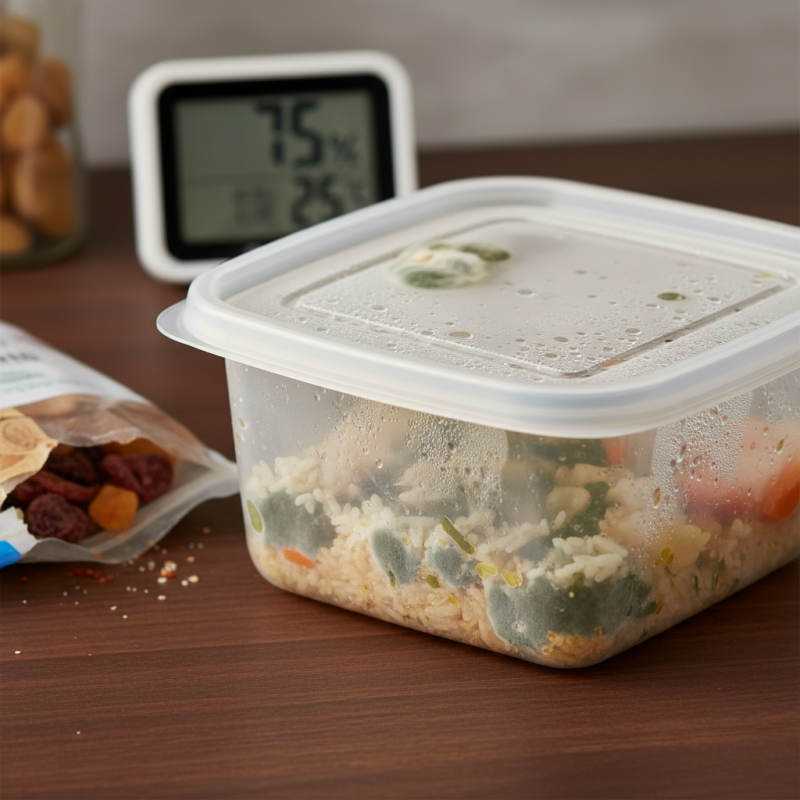
Understanding Mold and Its Causes in Disposable Food Containers
Mold in disposable food containers can be a frustrating issue. Understanding how and why it develops is key to prevention. Moisture is the main culprit. When food residues remain in containers, they create a perfect breeding ground for mold. Even subtle humidity in the air can contribute to this.
To prevent mold, clean containers immediately after use. Rinse them thoroughly. Even a small amount of leftover food can lead to mold growth. Store containers in a dry place. Avoid stacking them while they are still wet. This can trap moisture.
Here are a few quick tips: check frequently for any signs of mold. If you see any, clean with vinegar or hot, soapy water. Also, consider using containers that are designed to be air-tight. They can help minimize moisture. Be mindful that despite precautions, mold can still appear. Regularly inspect and replace old containers to maintain a safe food storage environment.

Understanding Mold Growth in Disposable Food Containers
Tips for Proper Cleaning of Disposable Food Containers
Cleaning disposable food containers properly is crucial to prevent mold growth. These containers often trap moisture, which creates a perfect environment for mold. To avoid this, rinse the containers immediately after use. A quick rinse can prevent food residue from hardening.
Using warm soapy water can help break down grease and grime. Make sure to scrub the surfaces well. Pay special attention to corners and crevices. A brush can be useful here. Not all food particles are visible, so thorough cleaning is essential.
After washing, air-drying is important. Don’t stack wet containers directly. They need air circulation to dry completely. Mold loves damp spaces. If you notice any signs of mold, dispose of the container immediately. Mold can spread quickly and may not be safe. A simple habit of proper cleaning can keep your kitchen safe from mold growth.
Best Storage Practices to Prevent Mold Growth
When it comes to storing food, mold can be a frustrating issue. To keep your disposable food containers mold-free, adopting the right practices is crucial. Proper storage plays a significant role in preventing mold growth. Store containers in a dry, cool place away from direct sunlight. High humidity can encourage mold, so choosing a suitable environment is paramount.
Tips for effective storage include ensuring that containers are completely dry before sealing. Any leftover moisture can lead to mold development. Moreover, use airtight lids if available. This helps in keeping air and moisture out. Don’t forget to check the containers regularly. If you notice any signs of mold, discard them immediately.
Another critical consideration is the type of food you store. Some foods are more prone to mold than others. For example, leftovers should ideally be consumed within a few days. If you can’t eat them, freeze them. Mold can thrive on expired or stale food. So, ensure you label your containers with dates. Remember, even the best storage practices might not fully eliminate all risks of mold.
Choosing the Right Type of Disposable Containers
Choosing the right type of disposable containers is essential for preventing mold. Many options exist. Made from materials like plastic, paper, or biodegradable substances, each has its pros and cons. Plastic containers can seal tightly but may trap moisture inside. This moisture contributes to mold growth. Paper containers are more breathable, which can help. However, they aren't always as strong.
While selecting containers, pay attention to the design. Look for airtight seals in plastic options. For paper, choose those with moisture-resistant coatings. These features help keep your food fresh longer. Cheap containers can lead to spills and leaks. This creates a breeding ground for mold.
Avoid stacking containers without proper ventilation. Airflow is crucial in maintaining freshness. Consider labeling your containers with dates. This will remind you to use food promptly. Mold can develop quickly under the right conditions. So, a proactive approach is better than dealing with a cleanup later.
How to Prevent Disposable Food Container Mold Tips and Tricks?
| Container Type | Mold Resistance | Material | Best Use Cases |
|---|---|---|---|
| Plastic Containers | Moderate | Polypropylene (PP) | Takeout food, salads |
| Foil Containers | High | Aluminum | Baked goods, casseroles |
| Biodegradable Containers | Low | PLA, kraft | Fresh produce, deli items |
| Cardboard Containers | Moderate | Paper, wax-coated | Sandwiches, burgers |
| Glass Containers | Very High | Glass | Leftovers, meal preps |
Using Natural Mold Inhibitors in Food Storage
When it comes to food storage, using natural mold inhibitors can make a big difference. Essential oils like tea tree and lavender have antifungal properties. A few drops in your food container can help ward off unwanted mold. Vinegar is another powerful ally. Rinse your containers with a diluted mixture before use. It creates an environment that discourages mold growth.
Tips for keeping your food fresh include ensuring proper airflow in containers. Tight seals trap moisture, inviting mold. Use breathable materials, like cloth covers, for short-term storage. Additionally, always let leftovers cool before sealing them away. It’s a simple step that can prevent condensation, a key contributor to mold.
Do routinely check your stored food for signs of spoilage. Sometimes, we overlook the small details. A quick visual inspection can save you from potential health risks. Being mindful about how food is stored can make a significant impact. Experimenting with these natural solutions may take time, but it’s worth the effort.