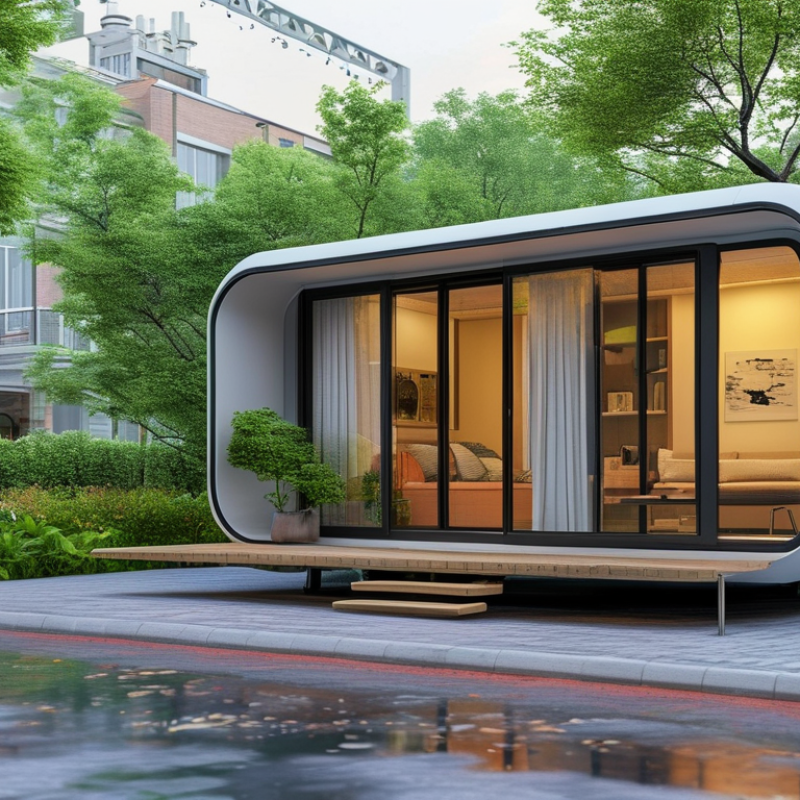
What is Pre Built Tiny Homes and Why Are They Popular?
The growing trend of Pre Built Tiny Homes reflects a significant shift in lifestyle choices. These compact living spaces are designed for efficiency and sustainability. Many people are drawn to their affordability compared to traditional housing.
In urban areas, where space is limited, Pre Built Tiny Homes offer a practical solution. They require less land and can be placed in various locations. This flexibility allows individuals to adopt a simpler lifestyle. However, the downsizing can be challenging for some.
Despite the many advantages, living in a tiny home requires careful planning. Buyers must consider their personal belongings and space usage. The minimalist approach can lead to a more organized life, yet it demands reflection on what truly matters. As with any housing choice, Pre Built Tiny Homes come with both joys and challenges, inviting individuals to reassess their needs.
Definition of Pre Built Tiny Homes and Their Unique Features
Pre-built tiny homes are compact living spaces that offer efficiency and comfort. They are built off-site and delivered to your chosen location. This method of construction speeds up the home-buying process. Many designs maximize every square foot. Features often include lofted beds, multifunctional furniture, and eco-friendly materials.
For those looking to live simply, tiny homes promote minimalism. They encourage owners to downsize their possessions. By embracing limited space, residents often find peace of mind. However, transitioning to a tiny home is not without challenges. You may need to let go of sentimental items or create a new storage system.
When selecting a pre-built tiny home, consider your lifestyle. Think about your daily needs and how much space you truly require. It's essential to plan for future changes. Reflect on whether you might need extra room or flexibility down the line. Living in a tiny home can be liberating, but it's crucial to ensure it fits your long-term vision.
The Rise of Pre Built Tiny Homes: Trends and Statistics
The concept of pre-built tiny homes has soared in popularity in recent years. Many people are drawn to the minimalist lifestyle these homes offer. Statistics indicate that the market for tiny homes is growing rapidly, with a significant increase in sales over the last few years. This trend reflects a shift in values, where simpler living is becoming more desirable.
For many, the appeal lies in the affordability and reduced environmental impact. Tiny homes often require less land, making them a viable option in urban areas. However, some still question the long-term viability of this lifestyle. Can it truly fulfill the needs of families? Designing these spaces requires creativity, especially when accommodating necessities.
Despite their benefits, challenges persist. Space constraints can lead to clutter, and not all tiny homes are built with durable materials. It’s vital for potential buyers to explore their options thoroughly. Balancing cost, quality, and design is crucial. As this trend continues, ongoing reflection and adaptation will be necessary to address the diverse needs of tiny home dwellers.
Trends in Pre Built Tiny Homes (2020-2023)
The bar chart above illustrates the increasing sales trends of pre built tiny homes from 2020 to 2023. The data shows a significant growth in interest and sales over these years, reflecting a rising trend in the popularity of tiny living.
Advantages of Living in Pre Built Tiny Homes
Pre-built tiny homes are a growing trend in the housing market. They offer a unique alternative to traditional housing, appealing to diverse demographics. Reports indicate that the tiny home industry is expected to grow by 6.25% annually between 2021 and 2028. This growth reflects a shift toward minimalism and sustainability.
Living in a pre-built tiny home provides numerous advantages. Many homeowners experience significant cost savings. For example, the average tiny home costs about $23,000 to $65,000. A smaller footprint leads to lower utility bills and maintenance costs. According to a study by the National Association of Realtors, tiny homeowners report feeling more financially stable.
Another significant benefit is the environmental impact. Tiny homes require fewer resources to build and maintain. They are often designed to be eco-friendly, using renewable energy sources and efficient insulation. However, some challenges exist. Limited space can lead to feelings of confinement. It may require a reevaluation of personal belongings and lifestyle which isn’t easy for everyone. Yet, many find this process liberating, simplifying their lives while promoting sustainability.
Key Considerations When Choosing Pre Built Tiny Homes
Choosing pre-built tiny homes requires careful consideration. First, assess your lifestyle needs. The average size of a tiny home is around 400 square feet, making efficient use of space crucial. Research shows that minimalist living can lead to reduced stress and increased happiness, aligning with data from the American Psychological Association. These homes encourage a simpler life with less clutter.
Another important factor is the design and construction quality. According to the National Association of Home Builders, sturdy materials contribute to longevity. Look for energy-efficient features. Energy Star-certified homes can save homeowners on utility costs. Despite the benefits, many buyers overlook potential zoning challenges. Regulations can hinder placement options, leading to frustration later. Choosing your location wisely avoids complications and ensures satisfaction.
Cost is another major consideration. Pre-built tiny homes vary in price, typically ranging from $30,000 to $100,000. Budgeting becomes essential. Understand long-term ownership costs, including maintenance and land fees. While some may view these homes as overly simplistic, many find them liberating. Embracing minimalism can bring unforeseen joy and financial freedom.
Sustainability and Environmental Impact of Tiny Living
The rise of pre-built tiny homes is closely tied to growing awareness about sustainability. According to the Tiny House Association, tiny homes use 45% less energy than traditional houses. Their small footprints mean fewer resources are needed for construction and maintenance. This aligns with the practices of living minimally and living green.
Tiny living encourages reduced consumption. Many occupants downsize their belongings, leading to less waste overall. A 2021 report by the National Resources Defense Council shows that small homes produce 80% less carbon dioxide throughout their lifetime. However, living in a tiny home isn't without challenges. Space constraints can make it difficult to store essentials, pushing residents to constantly evaluate their needs.
Environmental impact differs based on location and building materials. While some tiny homes utilize sustainable resources, others may resort to conventional methods, which can negate their eco-friendly appeal. According to the U.S. Green Building Council, homes with poor design can lead to higher energy usage. Each decision in tiny living must be considered for its broader ecological effects. The popularity of tiny homes reflects a shift towards more mindful living, yet critical reflection is necessary for meaningful progress.