What is Packaging Paper and How to Choose the Best Options?
Packaging paper plays a crucial role in the global marketplace. According to a report by Smithers, the global packaging paper market is projected to reach $300 billion by 2025. This growth underscores its significance in various industries. Professionals in the field emphasize the need for sustainable options. As expert John Anderson states, "Choosing the right packaging paper can reduce environmental impact while enhancing brand image."
Selecting the best packaging paper involves more than just aesthetics. It requires understanding material properties and application needs. Various types of packaging paper are designed for specific uses, from food packaging to shipping. Inadequate choices can lead to product damage and increased costs. Many companies overlook testing and certification processes. Neglecting these steps may result in subpar protection and waste.
As businesses seek to improve their packaging methodologies, the importance of informed decisions becomes evident. The right packaging paper contributes not only to product safety but also to environmental goals. Industry data shows that recycled paper options are gaining traction. Still, challenges remain in balancing cost with quality. This ongoing dilemma highlights the need for careful evaluation when choosing packaging solutions.
What is Packaging Paper?
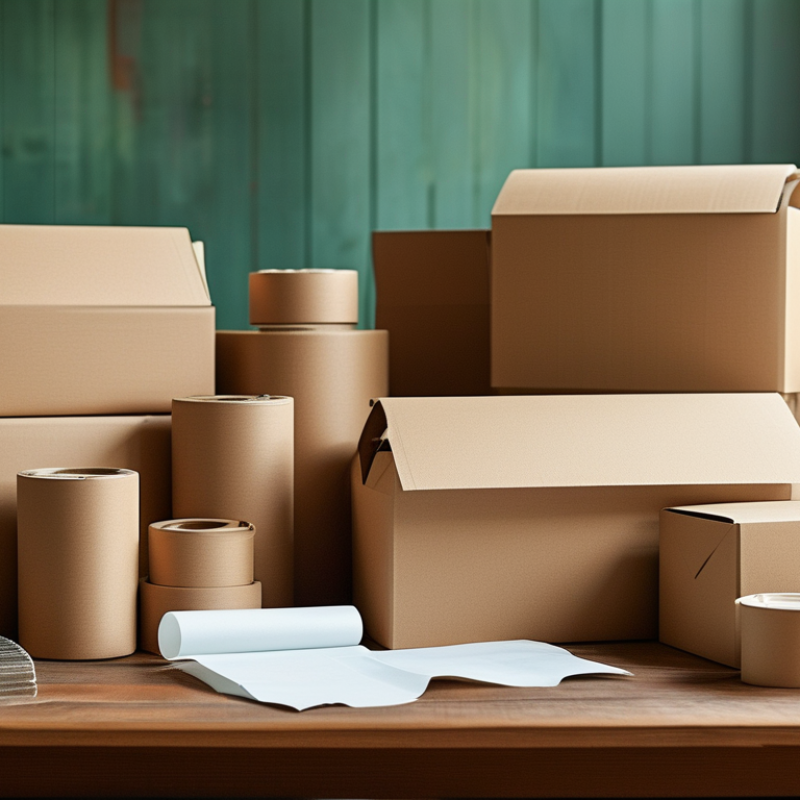
Packaging paper plays a crucial role in various industries. It protects products during transport and storage. This type of paper is available in many forms, such as corrugated cardboard, kraft paper, and tissue paper. According to the Smithers Pira report, the global demand for packaging paper is expected to reach 400 million tons by 2024. This growth indicates its importance in the supply chain.
When selecting packaging paper, consider its properties. For example, water resistance is key for products exposed to moisture. Similarly, strength matters for heavier items. Choose materials based on the specific needs of your product. A study from the Paper and Packaging Board highlights that 72% of consumers prefer packaging that is easy to open and recycle. This emphasizes the need for eco-friendly solutions without compromising protection.
Some options may seem ideal but can fall short in performance. For instance, while lightweight paper may reduce shipping costs, it might not provide sufficient protection. Therefore, assess all factors carefully. Sustainable practices are gaining traction. But finding the right balance between cost and functionality remains a challenge for many businesses.
Types of Packaging Paper Available in the Market
When selecting packaging paper, understanding the various types available is crucial. According to the Smithers Pira report, the global demand for packaging materials is projected to reach $500 billion by 2025. This growth highlights the need for effective packaging solutions.
Kraft paper is one popular option. It’s strong and can handle rough handling, making it ideal for shipping. Recycled paper is also gaining traction, as sustainability becomes a priority. Studies show that 70% of consumers prefer products with eco-friendly packaging. These papers are often more affordable and reduce waste.
Furthermore, tissue paper and parchment paper serve specialized needs. Tissue paper creates an appealing unboxing experience while protecting delicate items. Parchment paper is heat-resistant, perfect for food packaging. However, not all options suit every product. Evaluating the specific requirements of your items is essential. Failure to do so may lead to damaged goods and dissatisfied customers.
Factors to Consider When Choosing Packaging Paper
When selecting packaging paper, consider several factors to make the right choice. The weight and thickness of the paper affect durability and protection. Heavier paper holds up better during transit, shielding items from damage. However, using excessively thick paper can increase shipping costs and waste.
Another crucial factor is the type of paper. Recycled paper is eco-friendly and often more affordable. Despite its benefits, it may not provide the same sturdiness as virgin paper. Evaluate your products; fragile items need stronger packaging.
Tips for choosing packaging paper: always test paper samples for performance. This helps you gauge how it will hold up under stress. Consider the aesthetic as well; your packaging reflects your brand. Sometimes, higher-quality paper offers a better unboxing experience. It invites customers to return, fostering loyalty.
Benefits of Using High-Quality Packaging Paper
When it comes to packaging products, high-quality packaging paper offers significant advantages. It protects items during transit, reducing damage risk. Strong and durable paper retains shape and prevents tearing. This reliability enhances customer satisfaction and boosts brand reputation.
Choosing the right packaging paper is essential. Consider the product's weight and fragility. Heavier items require sturdier options, while fragile items benefit from cushioned papers. Look for eco-friendly materials. Sustainable choices appeal to conscious consumers and improve brand image.
Tips: Always test samples before making bulk purchases. This ensures the paper meets your needs. Pay attention to the texture and finish; these details can affect presentation. Evaluate the cost against potential quality issues. A few cents saved can lead to larger losses if products are damaged. Investing in good packaging is often a reflection of your brand’s values.
Sustainable Options for Environmentally Friendly Packaging Paper
Sustainable packaging is gaining importance in today’s economy. According to a report by Smithers Pira, the global market for sustainable packaging is expected to reach $500 billion by 2027. With consumers increasingly demanding eco-friendly options, businesses must adapt their practices.
Recycled paper products have emerged as prime candidates for sustainable packaging solutions. They significantly reduce carbon footprints and energy usage. Studies show that using recycled paper can save up to 60% of the energy used to produce virgin paper. These figures highlight the environmental benefits of selecting recycled materials.
Tips for choosing sustainable packaging paper include looking for certification labels. These labels indicate compliance with environmental standards. Use papers that are biodegradable or compostable. Another effective strategy is to assess the paper’s life cycle. Understanding how the material is sourced, used, and disposed of is essential.
Consider also the weight of the paper. Lighter paper can reduce shipping costs and lower emissions. However, it must provide adequate protection for the product. Therefore, balancing weight with strength is crucial for successful packaging design. Sustainable options may not always meet needs without compromise. Each choice should be carefully evaluated for both performance and environmental impact.
What is Packaging Paper and How to Choose the Best Options? - Sustainable Options for Environmentally Friendly Packaging Paper
| Type of Packaging Paper | Material Composition | Recyclability | Sustainability Rating | Best Use Cases |
| Kraft Paper | Recycled fibers | Yes | A | Shipping, wrapping |
| Tissue Paper | Wood pulp | Yes | B | Gift wrapping, cushioning |
| Newsprint | Recycled newspaper | Yes | B | Packaging, cushioning |
| Multi-wall Paper Bags | Polypropylene and kraft | Yes | A | Bulk shipping, agricultural products |
| Brown Paper | Unbleached pulp | Yes | A | Crafts, light packaging |