Top Mixing Tanks with Agitators for Effective Processing Solutions?
Mixing tanks with agitators play a critical role in various industries. They are essential for effective processing solutions in manufacturing, food, and chemical sectors. These tanks ensure uniformity and consistency in product quality. The combination of a mixing tank and an agitator creates optimal blending conditions.
Choosing the right mixing tank with agitator can be challenging. Factors such as tank size and agitator speed must be evaluated. Each application demands a tailored approach to meet specific mixing needs. This highlights the need for expertise in selecting suitable equipment. A one-size-fits-all approach may lead to inefficiencies.
Market options are vast, and not all are reliable. Thus, buyers must research and consult experts. The right choice can streamline production processes and enhance product quality. Reflecting on previous selections may uncover areas for improvement. The journey to finding the perfect mixing tank with agitator is often complex but rewarding.
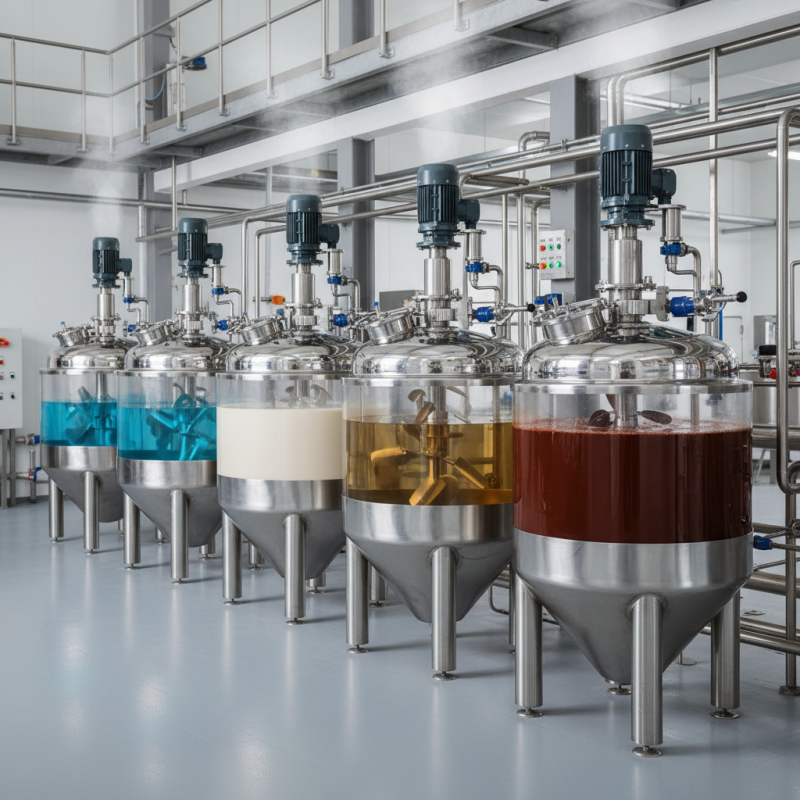
Top Features to Look for in Mixing Tanks with Agitators
When selecting mixing tanks with agitators, several key features are paramount for effective processing. Agitation speed is crucial, as it directly affects the homogeneity of mixtures. Research indicates that improper mixing can lead to product inconsistencies, impacting quality by up to 25%. Flexible speed controls enable operators to adjust the agitation based on specific materials and desired outcomes.
Tank design is another essential feature. A conical bottom can facilitate complete material discharge, while a vertical cylindrical shape promotes even mixing. According to industry reports, tanks with proper geometry can improve efficiency by nearly 30%. Additionally, the material of the tank itself should be considered. Stainless steel offers durability and resistance to corrosion, which is vital for maintaining product integrity over time.
Another factor worth reflecting on is the level of automation. Automated systems can reduce human error, but they may also complicate operations. Some operators find it challenging to adapt to new technologies, leading to potential inefficiencies. Therefore, a balance between automation and manual oversight is necessary for optimal performance.
Keeping these features in mind will guide users toward making informed decisions when investing in mixing tanks with agitators.
Types of Agitators Used in Mixing Tanks and Their Applications
Mixing tanks with agitators play a vital role in various industries. Different types of agitators are designed to meet specific processing needs. For instance, a turbine agitator works efficiently for liquids with low viscosity. It generates a strong flow pattern, ensuring uniform mixing of ingredients. This is particularly useful in food and beverage production, where consistency is key.
On the other hand, paddle agitators are commonly used for thicker mixtures. They create a gentle flow that prevents damage to delicate components. This type is often found in the pharmaceutical industry, where precision is crucial. However, not all processes require high-speed mixing. Some applications may benefit from slower agitation, allowing for controlled reactions.
It's essential to evaluate the specific requirements of each application. Not every agitator fits every scenario. Sometimes, facilities may face challenges in achieving desired outcomes. Understanding the limitations of various agitators can guide improvements. Testing different configurations and observing results is necessary for optimal performance. Re-evaluating the agitator type can lead to better efficiency and effectiveness in processing solutions.
Benefits of Using Mixing Tanks with Agitators in Processing
Mixing tanks with agitators play a vital role in various industries. They are essential for effective mixing, blending, and processing. According to a recent market report, the global mixing tank market is expected to grow by 5.4% over the next five years. This growth emphasizes the increasing demand for efficient processing solutions.
The primary benefit of using mixing tanks with agitators is consistency. Effective mixing leads to uniform product quality. A report by Industry Research found that 70% of manufacturers noted improved product stability when using these tanks. Furthermore, they enhance operational efficiency. Tanks with proper agitator designs reduce processing time by an average of 20%.
However, not all mixing processes are flawless. Some agitator designs can lead to dead zones, causing uneven blending. This issue can result in product wastage and increased costs. Continuous improvement in design and technology is necessary to overcome these challenges. Investing in well-designed mixing tanks can minimize errors and enhance production outcomes.
Maintenance Tips for Optimal Performance of Mixing Tanks
Ensuring the optimal performance of mixing tanks with agitators requires regular maintenance. A well-maintained tank can enhance productivity and product quality. Start by inspecting the agitator. Check for wear and tear. Replace bearings and seals as needed. This simple task can prevent larger failures.
Another critical area is the tank's interior. Regular cleaning prevents buildup. Residues can affect the mixing process. Make sure to use the appropriate cleaning solutions. Ensure that all components are free from corrosion or damage. If you notice a problem, address it immediately. Ignoring it could lead to significant downtime.
Operating parameters should be monitored consistently. Temperature and pressure must stay within recommended ranges. Deviations can disrupt mixing efficiency. Listening to the agitator can also offer clues. Unusual noises may indicate that parts need attention. Regular maintenance fosters reliability and longevity for mixing tanks.
Top Mixing Tanks with Agitators for Effective Processing Solutions
| Tank Type | Agitator Type | Working Capacity (Liters) | Material | Maintenance Frequency (Months) | Optimal Operating Temperature (°C) |
| Stainless Steel Tank | High Viscosity Agitator | 2000 | Stainless Steel | 6 | 20-50 |
| Polypropylene Tank | Magnetic Drive Agitator | 1500 | Polypropylene | 12 | 15-45 |
| Glass Lined Tank | Dual Shaft Agitator | 3000 | Glass Lined Steel | 9 | 10-40 |
| Carbon Steel Tank | Anchor Agitator | 2500 | Carbon Steel | 10 | 5-35 |
| PVC Tank | Propeller Agitator | 1000 | PVC | 8 | 10-30 |
Comparative Analysis of Popular Mixing Tank Brands and Models
When evaluating various mixing tanks with agitators, there are several pivotal aspects to consider. Different applications require specific tank designs to ensure optimal performance. For instance, viscosity of the material plays a crucial role in selecting a tank. A high-viscosity fluid demands a powerful agitator to ensure proper mixing. This specificity often leads to varying outcomes in production efficiency.
Examining popular brands reveals a diverse range of features. Some models emphasize energy efficiency, reducing operational costs. Others focus on user-friendly interfaces, which enhance usability. However, not all features are necessary for every application. This can lead to excessive spending on unneeded functionalities. Effectiveness should be the primary concern, not just the brand reputation.
User feedback is invaluable in understanding these mixers. Some users report issues with maintenance and parts replacement. Frequent downtime for repairs can negate the benefits of a high-performance agitator. These considerations highlight the importance of thorough research before making an investment. Selecting a mixing tank shouldn't solely be about brand prestige; **efficacy is key** to successful processing solutions.