What is a Laser Cutting Tool and How Does it Work?
Laser cutting technology has transformed various industries, offering precision and efficiency. A Laser Cutting Tool employs focused light energy to slice through materials with high accuracy. According to recent market research, the global laser cutting machine market is projected to reach $5.5 billion by 2026, reflecting its growing importance in manufacturing and design.
This tool provides benefits like minimal waste and intricate designs. Its applications span from automotive to aerospace. However, challenges remain, such as the high initial investment and a need for skilled operators. Organizations must weigh these factors against the performance benefits.
The rise of automation and advancements in laser technology allow for faster processing times and better quality. As the industry evolves, stakeholders must adapt to stay competitive. Ultimately, understanding the complexities of a Laser Cutting Tool is crucial for making informed decisions.
What is a Laser Cutting Tool?
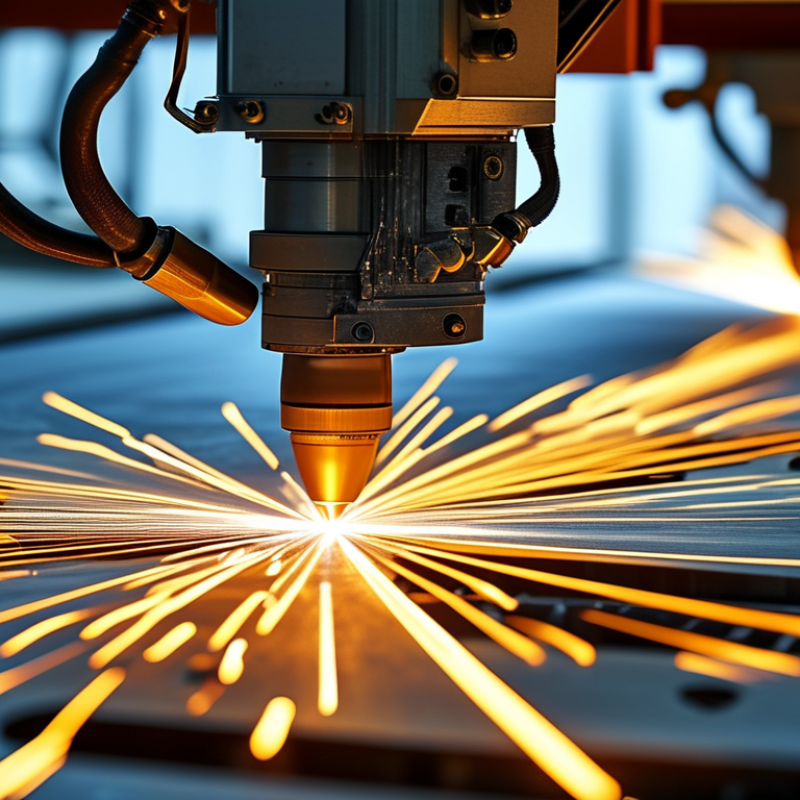
A laser cutting tool is a state-of-the-art device that utilizes focused light beams to cut through various materials. It works by directing a high-intensity laser beam onto the surface of the material. This concentrated energy heats the material to its melting point, allowing it to be cut with precision. The process is often used in industries such as manufacturing, automotive, and aerospace due to its accuracy and efficiency.
Laser cutting tools can handle a variety of materials, including metals, plastics, and wood. The versatility is a major advantage, but it also requires careful calibration. If not properly adjusted, the laser can damage the material or produce uneven cuts. Additionally, the equipment necessitates regular maintenance to keep it functioning optimally. Users must be trained to operate the machines safely. Improper use can lead to accidents or defects in the final product.
The technology behind laser cutting is fascinating, bringing both benefits and challenges. The potential for error emphasizes the importance of skill and experience in operating these tools. As industries evolve, understanding these nuances becomes increasingly vital for achieving high-quality results. Effective training and ongoing education can bridge the gap between expertise and the complexities of this technology.
What is a Laser Cutting Tool and How Does it Work?
| Dimension | Description |
| Type of Laser | CO2 Laser, Fiber Laser, YAG Laser |
| Material Compatibility | Metals, Plastics, Wood, Glass, Leather |
| Cutting Thickness Range | 0.1 mm to 25 mm |
| Applications | Manufacturing, Prototyping, Art, Signage |
| Operating Principle | Focuses laser light to melt, burn or vaporize materials. |
| Advantages | High Precision, Clean Cuts, Versatility, Minimal Waste |
| Safety Considerations | Protective eyewear, Ventilation, Safety interlocks |
The Basic Principles Behind Laser Cutting Technology
Laser cutting technology operates on basic principles that utilize focused beams of light to materialize precise cuts. A laser generates an intense light beam that is directed through optics. This beam, when concentrated, creates extreme heat, effectively melting or vaporizing the materials it contacts. Commonly used materials include metals, plastics, and fabrics, making laser cutting versatile across industries.
Tips: When considering laser cutting, assess the thickness of the material. Different materials require varying power levels. Always verify the specifications of your laser cutter, as they can significantly influence the result.
The laser beam moves with high-speed precision. This allows for intricate designs and patterns that would be challenging with traditional cutting methods. However, reflections from shiny surfaces can lead to cutting errors. It’s essential to test your settings on scrap material before working on the final product.
Tips: Keep your workspace clean. Dust and debris can affect the quality of cuts. Regular maintenance of the laser cutting machine is also crucial for optimal performance.
Types of Laser Cutting Tools and Their Applications
Laser cutting tools have become essential in various industries. They offer precision and versatility that traditional cutting methods often lack. According to a recent industry report, the global laser cutting market is expected to grow by 5.6% annually, reaching $5 billion by 2027.
Different types of laser cutting tools cater to specific needs. CO2 lasers are widely used for cutting non-metal materials like wood, paper, and acrylic. Fiber lasers excel in cutting metals, including stainless steel and aluminum. These tools operate with varying wattage, which influences cutting speed and depth. A tool with higher wattage cuts more efficiently, but operators must be cautious to avoid material distortion.
Applications of laser cutting tools span across industries. In the automotive sector, they are vital for manufacturing precise components. The aerospace industry uses them for lightweight materials that require intricate designs. However, there are challenges. Not all materials respond well to laser cutting. For instance, reflective metals can cause issues during the cutting process, leading to potential setbacks. As technology advances, ongoing innovation in laser cutting tools aims to address these limitations.
How Laser Cutting Machines Operate: A Step-by-Step Process
Laser cutting machines are integral in various industries, offering precision and speed in the manufacturing process. The operation of these machines involves several key steps. Initially, a computer-aided design (CAD) file guides the laser cutter. The file details the design specifications, including measurements and contours. This digital instruction ensures accuracy from the onset, minimizing errors that might arise from manual handling.
Once the CAD is ready, the machine focuses a high-powered laser onto the material. The laser beam can reach temperatures exceeding 6,000 degrees Fahrenheit. This intense heat melts or vaporizes the material, creating a clean cut. According to a 2022 industry report by Market Research Future, the global laser cutting market is expected to grow by 5.7% annually, highlighting the technology's increasing adoption.
After cutting, the machine often employs an assist gas, such as oxygen or nitrogen, to blow away the molten material. This enhances the cut's quality and facilitates faster operations. However, not all materials respond equally to laser cutting; reflective or thicker materials may pose challenges. These imperfections remind engineers to continuously improve techniques and material choices. Continuous advancements in laser technology are vital for overcoming these obstacles and enhancing efficiency in various applications.
Advantages and Limitations of Using Laser Cutting Tools
Laser cutting tools are becoming popular in various industries due to their precision and efficiency. One primary advantage is their ability to cut through materials with high accuracy. This makes them ideal for intricate designs and delicate tasks. The cutting process generates minimal waste, preserving material and reducing costs.
However, there are limitations to laser cutting. The initial investment in advanced equipment can be substantial. Additionally, certain materials, such as reflective metals, can pose challenges. Operators need proper training to manage these specific cases effectively. Maintenance of laser systems can also be demanding, requiring regular checks to ensure optimal performance.
While laser cutting enhances production, it is not without drawbacks. Some pieces may warp due to heat exposure. This potential for distortion requires careful handling and quality control measures. The technology also might not be suitable for very thick materials. Understanding these advantages and limitations can help businesses make informed decisions about laser cutting tools.