How to Integrate a Robot with an Injection Molding Machine?
Integrating a Robot with an Injection Molding Machine is a game changer in manufacturing. According to Dr. Lisa Tran, an industry expert, "The synergy between these technologies can streamline production." The blend of Injection Molding Machine With Robot increases efficiency, reduces human error, and enhances precision.
This integration involves careful planning. Robots must be programmed to interact seamlessly with the molding machines. Issues often arise with synchronization. Misalignment in timing can lead to defects in molded parts. Every component must work in harmony to achieve optimal results.
Furthermore, operators must be trained to handle this advanced setup. Not every factory has the infrastructure to support this technology immediately. Budget constraints can slow down implementation. Yet, understanding these challenges is crucial for successful adoption. Embracing this automation in processes can drive improvements, despite the hurdles faced.
Understanding the Basics of Injection Molding Machines and Robotics
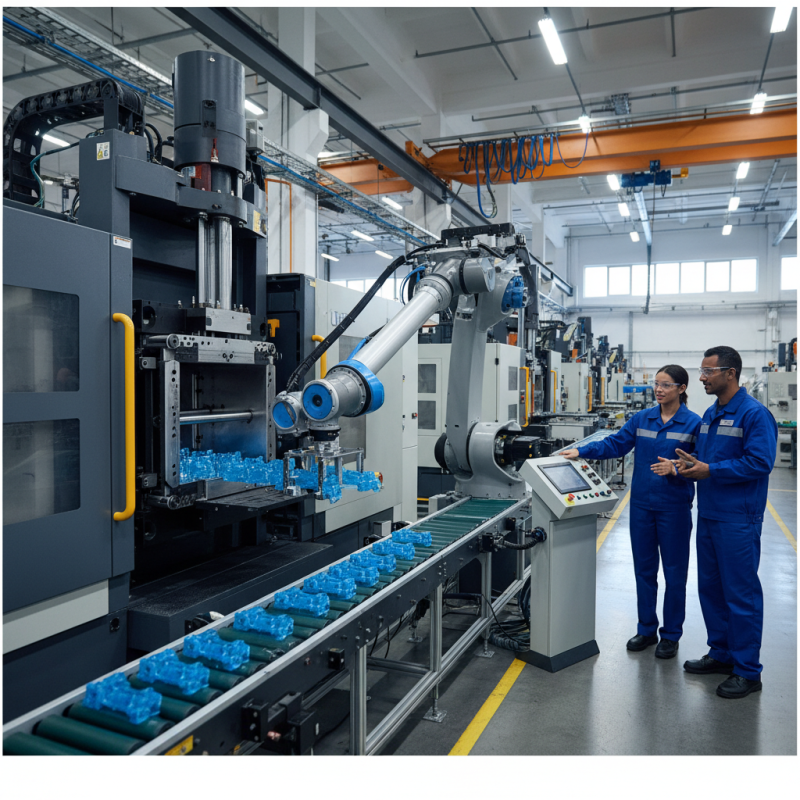
Injection molding machines play a crucial role in modern manufacturing. They shape plastic materials into precise parts. These machines can produce thousands of units per hour, achieving high efficiency. According to recent industry reports, the global injection molding market is expected to reach $375 billion by 2025.
Integrating robotics into this process enhances productivity. Robots can handle repetitive tasks like loading and unloading parts. This reduces human error and improves safety. A study found that robotics can increase production rates by up to 30%. However, this integration is not without challenges. The initial setup cost can be significant. Additionally, staff training is essential for seamless operation. Effective collaboration between humans and robots requires time and effort.
Despite these drawbacks, the benefits are noteworthy. Automation allows for greater consistency in product quality. Moreover, robots can operate in environments that may be unsafe for human workers. However, the transition to robotics must be carefully managed. Organizations must evaluate their specific needs and capabilities. Balancing investment with operational efficiency is key to successful integration.
Choosing the Right Robot for Injection Molding Applications
Choosing the right robot for injection molding applications is crucial for efficiency. Start by assessing the specific tasks the robot must perform. Consider load capacity, speed, and precision. Different robots serve different functions. For instance, a lightweight robot might be ideal for simple pick-and-place jobs. However, heavy-duty applications require robust automation.
Focus on the robot's compatibility with your injection molding machine. These machines have specific needs, and not every robot can seamlessly integrate. It’s important to evaluate the robot’s motion range. A robot with a limited reach may struggle in larger production setups. Also, think about the software needed for integration. Complex systems can lead to confusion and downtime.
Keep in mind the training and support required for staff. Integrating new technology often requires a learning curve. Employees might feel overwhelmed initially. It’s vital to provide hands-on training and resources. Reflection on past implementations can guide decisions. Some businesses face challenges with robot malfunctions, leading to unexpected costs. A thoughtful approach to integrating robots can help avoid these pitfalls.
Steps to Connect a Robot to an Injection Molding Machine
Integrating a robot with an injection molding machine involves careful planning. Begin by assessing the layout of your workspace. Ensure that both the robot and the machine can fit comfortably. This is crucial for safe operation.
Next, focus on the mechanical connections. Securely mount the robot in a position that allows it to access the injection molding machine easily. Pay attention to reach. The robot must handle materials and finished products without obstruction. Adjust settings for optimal performance. Minor adjustments can lead to significant improvements.
Lastly, consider the programming aspect. The robot needs to communicate with the injection molding machine. This often involves setting up a control interface. It can be a challenging process. Errors in programming may cause delays or malfunctions. Testing the setup thoroughly is essential. Make sure to observe the entire process. Each integration can teach us something new, highlighting areas for improvement.
Programming the Robot for Efficient Operation with the Molding Machine
When integrating a robot with an injection molding machine, programming is crucial. The robot must perform specific tasks efficiently. It can often easily handle part removal and placement. However, programming may require iterations. There might be errors in positioning or timing initially.
Set up the robot’s control system to sync with the molding machine. Use simple commands and ensure the robot correctly identifies the cycle time. This ensures smooth operation. Adjustments may be necessary as the robot learns. Sometimes, the settings do not match production goals.
Testing the robot’s routines is essential. Watch its movements closely during operation. Are the cycles too slow or too fast? Keep recalibrating until the workflow improves. Even small tweaks can lead to significant efficiency gains. It's an ongoing process. Recognizing these needs can help streamline efforts over time.
Integration Efficiency of Robots with Injection Molding Machines
This chart compares the operational efficiency of injection molding processes with and without robotic integration. It highlights key metrics including Cycle Time, Setup Time, Defect Rate, and Operator Hours, demonstrating the potential benefits of automation in manufacturing settings.
Troubleshooting Common Integration Issues Between Robot and Machine
Integrating a robot with an injection molding machine can be challenging. Common issues often arise during this process. One frequent problem is communication failure between the two systems. It's vital to ensure that both the robot and the machine can share data seamlessly. Missing or incorrect signals can lead to malfunctions.
Another common integration issue is the mechanical misalignment of parts. This can cause uneven force distribution and hinder proper operation. Regular checks and adjustments are necessary to ensure optimum alignment. In some cases, parts may need replacing if they are too worn.
Tips: Always double-check wiring connections. Ensure that sensors are correctly positioned. Perform routine maintenance on both machines for smoother integration. Take note of any discrepancies during test runs, as they can provide valuable insights. Addressing these issues promptly is essential for a successful integration. Robot integration requires patience and ongoing adjustments.