Top HVLS Fan TM Series Gear Drive Motor Benefits Explained?
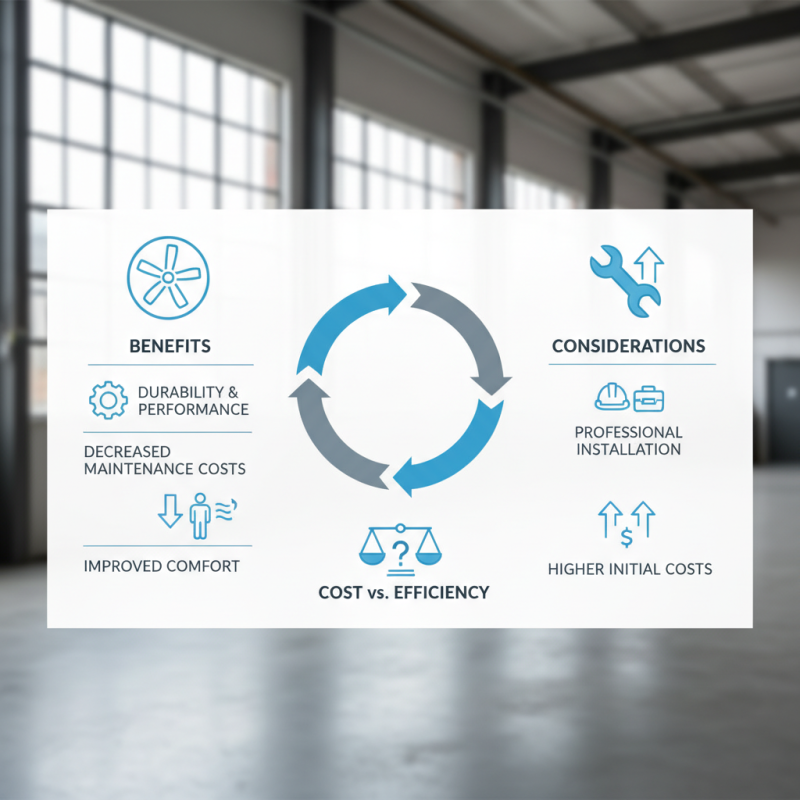
When it comes to effective air circulation, the HVLS Fan – TM Series with Gear Drive Motor offers significant benefits. These fans are designed to move large volumes of air efficiently, making them ideal for various commercial and industrial settings. The gear drive motor enhances durability and performance, ensuring long-lasting operation. This is crucial for optimizing energy usage, especially in larger spaces.
Reliability is a key feature of the HVLS Fan – TM Series. With robust construction, these fans withstand demanding environments. Businesses can expect decreased maintenance costs, which is a critical factor in budget management. Additionally, the fan’s ability to maintain consistent airflow contributes to improved comfort levels for employees and customers alike.
Moreover, while the gear drive motor provides numerous advantages, it's essential to consider potential limitations. For example, installation may require professional assistance, and initial costs can be higher than traditional fans. These factors should be weighed against the long-term benefits. Understanding the balance between cost and efficiency is critical for informed decision-making in fan selection.
Benefits of HVLS Fans in Large Spaces: An Overview
In large spaces, HVLS fans play a crucial role in maintaining comfort. These fans generate a gentle airflow that helps regulate temperature. This is especially useful in warehouses, gymnasiums, and industrial facilities. The even distribution of air ensures that no area feels stagnant or overheated. This creates a more pleasant environment for both workers and visitors alike.
The efficiency of HVLS fans can significantly reduce energy costs. By using these fans, facilities can lower their reliance on traditional HVAC systems. This not only saves money but also decreases the overall carbon footprint. In addition, these fans operate quietly, which is essential in environments requiring minimal noise disruption. However, it’s important to conduct regular maintenance to ensure they work at peak efficiency.
While the benefits of HVLS fans are clear, some users might overlook their installation needs. Proper placement can affect performance. Users often find they need to adjust the height or positioning over time. Monitoring the effectiveness is key to maximizing their potential benefits. Adapting to the specific layout of the space can require some trial and error before achieving optimal airflow.
Benefits of HVLS Fans in Large Spaces
Understanding Gear Drive Motors in HVLS Fans
Gear drive motors play a crucial role in HVLS (High-Volume Low-Speed) fans, providing numerous benefits that enhance performance and reliability. These motors are designed to operate efficiently in large spaces, delivering a consistent airflow that effectively circulates air. Unlike traditional motors, gear drive motors have a reduced speed and increased torque, making them ideal for heavy-duty applications. Their ability to run quietly is another significant advantage, ensuring minimal noise disruption in workplaces or other environments.
Tips: When selecting an HVLS fan with a gear drive motor, consider factors like the size of your space and desired airflow. Match the fan size to your room dimensions for optimal performance. Regular maintenance of gear drive motors can prolong their lifespan and maintain efficiency.
Moreover, gear drive motors help reduce energy consumption, which is beneficial for cost savings. Investors often overlook the long-term savings that accompany using efficient, high-quality motors. Assessing energy efficiency is essential when making decisions. Keep in mind that over time, the initial investment in better technology often leads to noticeable savings.
While gear drive motors have many advantages, it's important to evaluate their limitations as well. For instance, installation may require professional expertise. A poorly installed unit could lead to performance issues. Always consider potential future maintenance challenges. This ensures that your investment in HVLS fans remains sound in the long run.
Energy Efficiency Metrics of HVLS Fans Compared to Traditional Fans
When comparing the energy efficiency of HVLS fans to traditional fans, several factors emerge. HVLS fans operate more effectively in larger spaces. They use less energy to move more air. This is due to their unique design, which rotates slowly and covers a wider area. Traditional fans, on the other hand, often require higher speeds to achieve the same airflow. This inefficiency leads to higher energy consumption over time.
The energy metrics reveal that HVLS fans can reduce energy costs significantly. They can potentially save up to 30% more energy. This statistic is compelling for businesses aiming to lower operational expenses. However, energy efficiency can vary based on installation and usage. Proper placement and maintenance are crucial for optimal performance. Some users may overlook these aspects, affecting overall efficiency. Evaluating these factors helps in understanding the complete picture of energy savings.
In the realm of commercial use, HVLS fans are gaining traction. They not only promote energy efficiency but also improve comfort levels. Still, businesses must remain cautious. Not every location may benefit equally. Conducting a thorough assessment before installation is vital. Balancing energy efficiency with practical application is essential for achieving real savings.
Impact of HVLS Fans on Indoor Air Quality and Comfort
HVLS (High-Volume Low-Speed) fans significantly enhance indoor air quality and comfort in large spaces. These fans move large volumes of air slowly, creating a gentle breeze that can help equalize temperature across areas. According to the U.S. Department of Energy, effective air circulation can reduce perceived temperature by up to 7°F. This is crucial in settings like warehouses or manufacturing facilities. Improved air movement means less reliance on heating or cooling, potentially lowering energy costs.
The impact on indoor air quality is observable as well. HVLS fans help disperse pollutants and odors. A study by the American Society of Heating, Refrigerating, and Air-Conditioning Engineers (ASHRAE) highlights how proper air circulation can improve ventilation rates, thereby decreasing the risk of air contaminants. Regular maintenance and positioning of these fans are necessary for optimal performance. Neglecting these factors can limit their effectiveness and lead to stagnant air pockets.
Comfort in indoor environments relies heavily on airflow. If HVLS fans are improperly installed or maintained, they may not function efficiently. Building managers must consider the specific needs of their spaces. On the other hand, when used correctly, these fans can create a more pleasant and healthier atmosphere for employees and customers alike.
Cost-Benefit Analysis of Installing HVLS Fans in Commercial Environments
Installing HVLS fans in commercial environments can lead to significant savings over time. These fans move large volumes of air, providing consistent temperature control and improving comfort. In warehouses or factories, effective ventilation reduces strain on HVAC systems. This results in lower energy costs, making it a smart choice for businesses.
However, it’s crucial to consider the initial investment. The upfront cost of installing HVLS fans might seem high. Yet, many businesses find the long-term savings outweigh this. By analyzing energy bills over time, you can see the real benefits. Improved air circulation can also enhance productivity, as employees are more comfortable in well-ventilated spaces.
Some businesses may hesitate, fearing maintenance issues. While HVLS fans generally require minimal upkeep, it is important to have a regular check-up schedule. This helps ensure optimal performance and extends the lifespan of the equipment. Balancing these factors is key for commercial spaces considering HVLS fans.
Top HVLS Fan TM Series Gear Drive Motor Benefits Explained? - Cost-Benefit Analysis of Installing HVLS Fans in Commercial Environments
| Benefit | Description | Estimated Cost Savings (%) | Payback Period (Months) |
| Energy Efficiency | Significant reduction in energy consumption compared to traditional fans. | 30% | 12 |
| Improved Air Quality | Enhanced air circulation leading to better indoor air quality. | N/A | N/A |
| Noise Reduction | Quieter operation compared to high-speed fans. | N/A | N/A |
| Increased Productivity | Enhanced comfort leads to improved worker productivity. | 15% | 10 |
| Lower Maintenance Costs | Durable design requires less frequent service and repairs. | 20% | 6 |