2026 How to Source Precision Hot Forging Parts Effectively?
In the ever-evolving world of manufacturing, sourcing Precision Hot Forging Parts is critical for success. Industry expert John Smith, a leader in hot forging technologies, emphasizes, “Quality sourcing determines the efficacy of production.” His words resonate deeply in a sector where precision and reliability are paramount. Companies face challenges in selecting the right suppliers.
Precision Hot Forging Parts require meticulous attention to detail. Ensuring dimensions and material properties align with specifications is non-negotiable. Yet, many manufacturers struggle with inconsistent quality and delivery issues. A careful evaluation of potential suppliers is essential. Effective sourcing involves understanding the technology and processes that govern precision forging.
The market is filled with options, making choices overwhelming. Companies must weigh factors like cost, quality, and supplier reliability. A hasty decision could lead to production delays or costly mistakes. It’s important to strike a balance between cost-effectiveness and quality assurance. This reflective approach to sourcing is vital for achieving optimal results in Precision Hot Forging Parts.
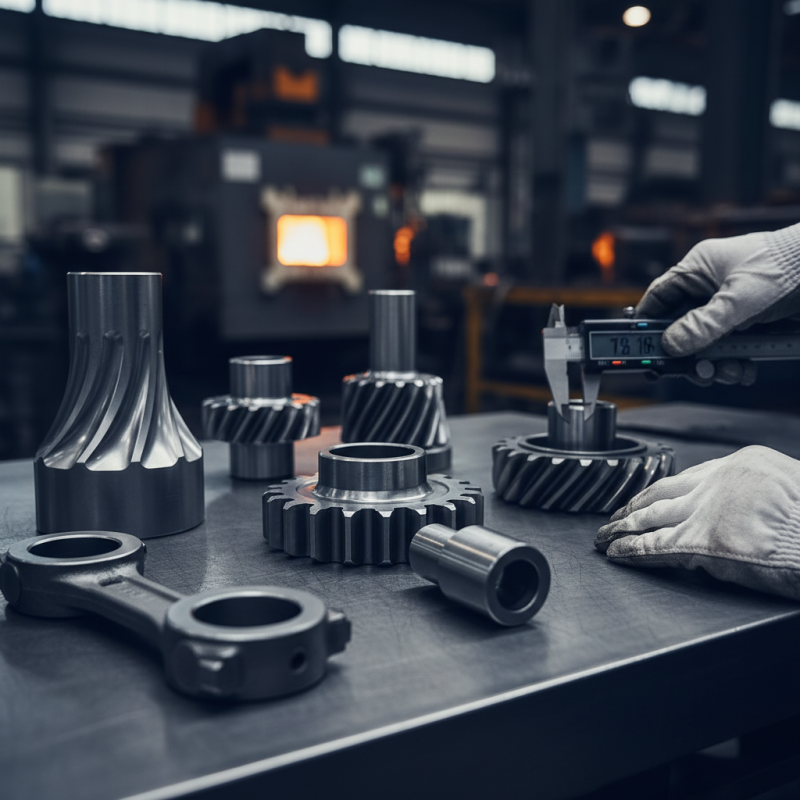
Understanding Precision Hot Forging: Definition and Importance
Precision hot forging is a crucial manufacturing process. It involves shaping metal at high temperatures to enhance its properties. This technique improves strength and reduces brittleness. As a result, forged components often have better performance compared to those made through other methods.
Understanding precision hot forging requires recognition of its importance in various industries. Aerospace, automotive, and energy sectors rely on these parts for safety and reliability. Precision hot forging parts deliver higher density and finer grain structure. This translates to better mechanical properties and durability.
However, sourcing these components effectively can be challenging. It's vital to assess manufacturers based on their capabilities. Not every company can provide the same level of precision. Evaluating their experience and technical expertise is essential. Poor quality parts can lead to severe failures. Maintaining a checklist for evaluating suppliers may help. Look for certifications, past projects, and production methods used. These steps can guide you in making informed decisions.
2026 How to Source Precision Hot Forging Parts Effectively?
| Attribute | Details |
| Definition | Precision hot forging is a manufacturing process that shapes metal parts through high-temperature deformation, achieving tight tolerances and high-quality surface finishes. |
| Importance | It ensures structural integrity, improved mechanical properties, and reduced need for secondary machining processes. |
| Key Materials | Common materials used include steel, aluminum, and titanium alloys. |
| Critical Parameters | Temperature, pressure, and die geometry are crucial for achieving desired results in precision forging. |
| Sourcing Tips | Evaluate supplier capabilities, request samples, and ensure adherence to quality standards. |
| Applications | Used in aerospace, automotive, and industrial applications where precision and durability are critical. |
Key Factors in Sourcing Precision Hot Forging Parts Effectively
Sourcing precision hot forging parts effectively requires careful consideration of several key factors. One critical aspect is supplier selection. Not all suppliers offer the same level of expertise or quality assurance. Look for suppliers with a proven track record in precision hot forging. Check their certifications and previous work examples. This ensures you're making an informed decision.
Another essential factor is the communication process. Clear communication can prevent misunderstandings and mistakes. It is important to articulate specifications and expectations upfront. Regular updates on production status are vital to keeping projects on track. Engaging in open dialogue with suppliers can reveal issues early on.
**Tip**: Always ask for samples. This will help evaluate the quality of their work before placing large orders.
Quality control is equally important. Ensure your supplier has a robust quality assurance program. Regular inspections can help maintain production standards. However, don't hesitate to address problems as they arise. This approach helps build a stronger partnership.
**Tip**: Document all agreements. This can protect both parties and serve as a reference point in case of disputes.
Finally, consider the technology used by your supplier. Advanced machinery can lead to better precision. However, some suppliers might not invest in the latest technology. Assessing their equipment capabilities can reveal potential risks in the sourcing process.
Key Factors in Sourcing Precision Hot Forging Parts Effectively
Industry Trends: Market Demand and Growth Statistics for Forging Parts
Precision hot forging is experiencing significant market demand. According to a recent industry report, the global forging market is projected to reach $139 billion by 2027, growing at a CAGR of 5.5%. This growth is largely driven by the automotive and aerospace sectors. These industries require high-strength components that are precisely engineered. The need for lightweight yet durable parts continues to rise, reflecting a shift towards fuel efficiency and performance.
In the realm of sourcing hot forging parts, implementing effective strategies is crucial. Companies must adapt to evolving technology. Advanced manufacturing processes are reshaping the quality standards of forged parts. 60% of manufacturers report an increasing focus on automation to enhance precision. However, reliance on new technologies can introduce challenges. Not all suppliers maintain consistent quality amidst such rapid changes. A rigorous supplier evaluation process becomes even more vital.
Data shows that 70% of manufacturers believe that effective communication with suppliers significantly impacts supply chain efficiency. Yet, managing these relationships can prove difficult. Miscommunication may arise, leading to delays and quality issues. Continuous feedback and collaboration can help mitigate these pitfalls. Developing a sustainable partnership is essential for long-term success in this competitive landscape.
Evaluating Suppliers: Quality Standards and Certifications in Forging
When sourcing precision hot forging parts, evaluating suppliers is essential. Quality standards and certifications are key indicators of a supplier's reliability. Many suppliers claim to adhere to high standards, but verification is crucial. Look for certifications such as ISO 9001, which ensure a systematic approach to quality management. Suppliers with these certifications often have well-documented processes.
Beyond certifications, assess a supplier’s experience in the industry. A supplier with a strong history of producing precision parts may have a better grasp of specific requirements. Request samples of their forged parts to evaluate their craftsmanship. Pay attention to details such as finish quality and dimensional accuracy. If these samples fall short of expectations, it is a sign to reconsider your choice.
Continuously monitor supplier performance over time. Regular audits can reveal consistency in quality and adherence to standards. It’s worth noting that reliance on a single supplier might limit your options. A diversified list of suppliers can mitigate risks and offer more solutions. While perfection is the goal, being aware of potential flaws in any supplier's operations can enhance your sourcing strategy.
Cost Analysis: Balancing Price and Quality in Precision Forging Sourcing
When sourcing precision hot forging parts, balancing cost and quality is crucial. Many companies face challenges in ensuring that they source parts that meet their specifications while staying within budget. Analyzing costs involves understanding the entire production process. Each step can affect the final price. Materials, labor, and overhead must be considered. Cutting corners on any of these factors may save money initially but can lead to costly defects later.
Quality assurance plays a vital role in this balance. Investing in reliable suppliers can prevent future issues. Many times, businesses overlook the importance of supplier credentials and past performance. Verification of their experience in producing similar parts is necessary. Additionally, attempting to negotiate lower prices can lead to sourcing subpar materials or limited oversight in production.
Reflect on your long-term priorities. Lower upfront costs might seem appealing, but prioritizing quality leads to superior products. It’s critical to continually assess supplier relationships and the impact on overall project costs. A focus on quality not only enhances product performance but also builds customer trust. In the end, the right sourcing strategy should align with your company's goals for quality and sustainability.