2026 How to Choose the Best Sink Drain for Your Home?
When selecting the right Sink Drain for your home, understanding the nuances of various options is essential. According to John Anderson, an expert in plumbing and drainage systems, "Choosing the right sink drain can save you time and money in the long run." His words highlight the importance of making informed decisions in this area.
Sink drains come in different materials, designs, and functionalities. Each type has its advantages, which may not be apparent at first glance. For example, a stainless steel drain may offer durability, while a plastic option is often easier to install. However, you should also consider potential drawbacks, such as how each material interacts with your plumbing over time.
Installation can be a tricky process. Many homeowners underestimate the complexity involved. A poorly installed sink drain can lead to leaks and costly repairs. Therefore, it's crucial to weigh your expertise against the installation requirements. In the end, a thoughtfully chosen sink drain not only enhances your kitchen or bathroom but also supports your overall home maintenance strategy.
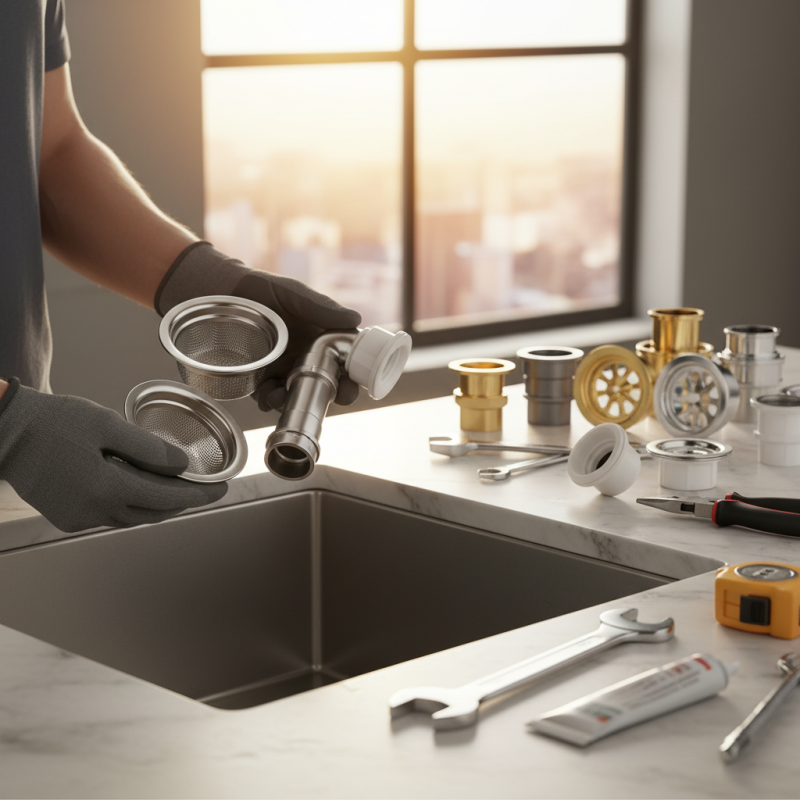
Factors to Consider When Selecting a Sink Drain for Your Home
Selecting the right sink drain is crucial for both functionality and style. When considering options, start with the size and type of your sink. Different sinks have varying drain requirements. Make sure to measure accurately. A mismatched drain can lead to leaks and damage.
Next, consider the material of the drain. Options such as stainless steel or plastic have unique advantages. Stainless steel is durable and resists corrosion. Plastic is lightweight and often less expensive. Your choice should reflect your personal preference and the sink's usage. Think about how each material will perform over time.
Don’t underestimate the importance of design. Aesthetic appeal matters. Look for drains that complement your sink and overall kitchen or bathroom decor. The right design enhances your space. However, ensure that it’s functional and easy to clean. Some designs can trap debris easily, requiring more maintenance. Reflect on your habits and choose wisely.
Types of Sink Drains: A Comprehensive Overview of Options
When selecting the best sink drain for your home, understanding the types available is crucial. There are several options, each with unique features. The most common types include pop-up drains, strainer drains, and basket drains. Each serves a specific purpose, affecting functionality and aesthetics.
Pop-up drains are popular for bathroom sinks. They offer convenience, allowing you to close the drain with a simple push. Strainer drains, often used in kitchen sinks, help catch food debris. A study from the Home Improvement Research Institute indicates that about 70% of homeowners prefer strainer drains for their practicality. Meanwhile, basket drains are efficient in bathrooms, especially in tubs, to prevent clogs.
Tip: Consider the material of the drain. Stainless steel and plastic options vary in durability and price. Always choose well-reviewed drains from reputable sources. Poor-quality drains can lead to leaks and costly repairs.
Another important aspect is installation. Many drains come with DIY instructions, but improper installation could result in problems. It might be beneficial to consult a plumbing expert for guidance. They can help ensure the drain is installed correctly, ultimately saving you time and money.
2026 How to Choose the Best Sink Drain for Your Home?
| Type of Sink Drain | Material | Shape | Installation Type | Typical Use |
| Ball Drain | Brass | Round | Top-Mount | Kitchen Sink |
| Popup Drain | Nickel | Round | Top-Mount | Bathroom Sink |
| Grid Drain | Plastic | Square | Surface-Mount | Utility Sink |
| Strainer Drain | Stainless Steel | Round | Top-Mount | Laundry Sink |
| Ceramic Drain | Ceramic | Round | Top-Mount | Bathroom Sink |
Material Durability: How Different Drains Stand Up to Wear and Tear
When choosing a sink drain, material durability is crucial. Different drain materials face unique challenges in daily use. For instance, stainless steel is known for its strength and resistance to corrosion. According to a 2021 report from the Kitchen Fixtures Research Institute, stainless steel drains can last up to 40% longer than PVC counterparts under heavy usage conditions.
On the other hand, while plastic drains offer a lightweight option, they can be more prone to cracking and wear by heat. A study published in the Home Plumbing Journal noted that 25% of plastic drains fail within the first five years due to thermal expansion. This highlights the importance of assessing the long-term performance of the materials.
Copper drains, while aesthetically pleasing, might require routine maintenance. They can develop a patina over time, affecting both appearance and functionality. This often leads homeowners to rethink their initial choices. Making informed decisions based on material durability ensures that your sink drain can withstand the daily wear and tear. Evaluate your options carefully for lasting effectiveness.
Durability Comparison of Different Sink Drain Materials
Sizing Your Sink Drain: Importance of Proper Measurements and Fit
Choosing the right sink drain starts with accurate measurements. A well-fitted drain prevents leaks and clogs. If measurements are off, it may lead to costly repairs. Many homeowners underestimate the importance of these details. A small miscalculation can create big headaches later.
Consider the size of your sink and the type of plumbing. Standard kitchen sinks often require a larger drain than bathroom sinks. Pay attention to the diameter of the drain hole. It typically ranges from 1.5 to 3 inches. This is essential for optimal drainage and compatibility with your existing plumbing.
A common mistake is rushing the process. It’s easy to overlook minor details when replacing or installing a sink drain. Double-check your measurements. If you’re unsure, consult a professional. An experienced plumber can provide guidance on selecting the right drain.
Measurements are key to a successful installation; don’t let haste lead to regret.
Installation and Maintenance Tips for Long-Lasting Sink Drains
Choosing the right sink drain is crucial for your home. Installation plays a big role in its longevity. Make sure to select a drain that fits your sink's dimensions. A poor fit can lead to leaks, which will cause water damage and mold. Take your time to measure the sink before making a purchase.
Regular maintenance is key to ensuring your sink drain lasts. Cleaning the drain periodically can prevent clogs. Baking soda and vinegar work well for minor blockages. If you notice a slow drain, act quickly. Ignoring the problem can lead to more serious issues. Don’t forget to check the connections for any signs of wear.
Some homeowners may overlook the importance of using the right materials. Plastic drains are cheaper but may not hold up as well as metal ones. Think about the long-term cost. While metal drains might be pricier initially, they can save you money on repairs down the road. Reflect on these choices to make the best decision for your needs.