
How to Choose the Best Safety Padlock?

Choosing a Safety Padlock starts with understanding where and how it will be used. A lock on an outdoor gate faces rain, dust, and temperature changes. One used on equipment may need a different body shape or shackle clearance. Small details matter. Check the lock’s dimensions against the hasp or locking point before comparing features. A sturdy model is not useful if it cannot close properly.

Look closely at the body material, shackle design, key options, and the manufacturer’s stated environmental ratings. Corrosion-resistant materials can help in damp settings, while a covered or shielded shackle may reduce exposure to cutting tools. These features do not make a lock impossible to defeat. They help match its design to a particular level of risk. Fit comes first. Also consider whether several locks need to share a key, or whether separate keys provide better control for your workplace. Confirm those options with the manufacturer rather than relying on appearance alone.

For dependable selection, compare product specifications, installation requirements, and care instructions from reputable suppliers. Inspect the finished lock regularly for corrosion, sticking, or damage, and replace it when its condition affects operation. A product label can be reassuring, but the details behind it deserve attention. Even a well-specified padlock can be the wrong choice for a poorly matched hasp. That part is easy to overlook, and worth checking twice. This guide explains the practical questions to ask before buying, so the Safety Padlock you choose suits the equipment, environment, and people who will use it.
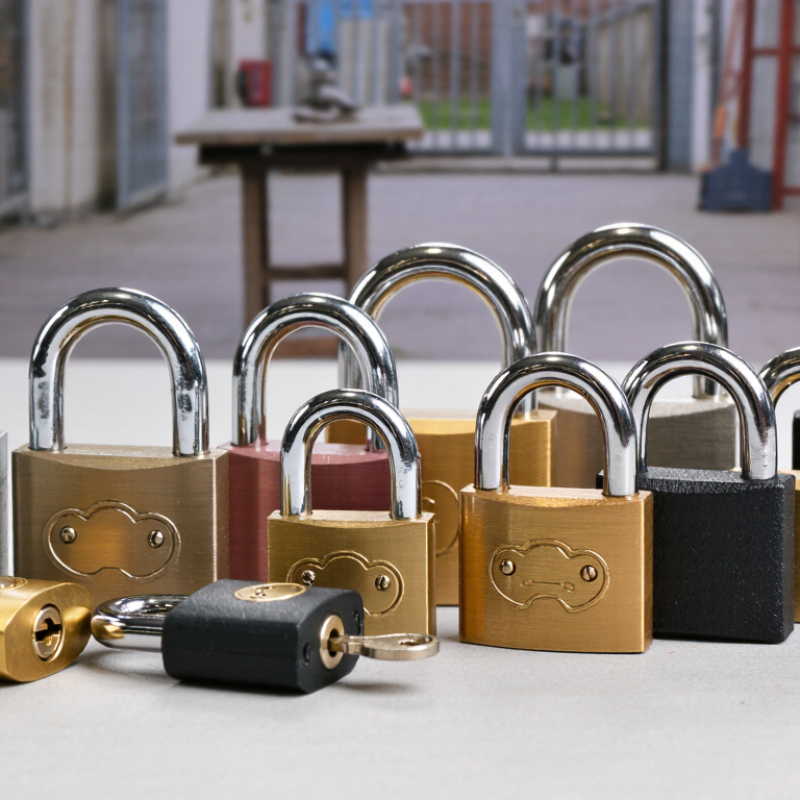
How to Choose the Best Safety Padlock?

Understanding the Security Needs of Your Application

How to Choose the Best Safety Padlock?

Understanding the Security Needs of Your Application

A safety padlock should match the hazard, not just the toolbox. Start by mapping every energy source: electrical panels, compressed-air lines, hydraulic valves, and gravity-loaded parts. Identify who will apply the lock, whether several workers need separate locks, and how the device will withstand oil, moisture, dust, or temperature swings. Fit matters. A shackle that cannot pass through the isolation point is useless, even if its material is durable.

OSHA’s Control of Hazardous Energy standard requires lockout devices to be durable, standardized, substantial, and identifiable. OSHA has estimated that effective lockout/tagout practices prevent about 120 fatalities and 50,000 injuries each year. These figures underline why selection is a safety decision, not a color preference.

Consider nonconductive materials near electrical hazards, corrosion resistance in wet areas, and key control that prevents casual sharing. Choose a lock workers can recognize and use with gloves, too.

The right choice depends on the actual isolation point. Check clearance around valve handles and panel hasps; a bulky body can obstruct access. Test the lock during a planned shutdown, and confirm each authorized worker can apply and remove their own device. Small details get missed. A site’s needs may change after equipment upgrades, so review the selection when procedures or hazards change. No padlock fixes a weak isolation plan.

Source: OSHA, 29 CFR 1910.147 and OSHA’s lockout/tagout guidance.

Evaluating the Locking Environment and Exposure Risks

How to Choose the Best Safety Padlock?

Evaluating the Locking Environment and Exposure Risks

Start with the place where the lock will live, not just its price or color. A lock used beside a damp wash area faces different conditions from one kept in a dry electrical cabinet. Note moisture, dust, cleaning chemicals, salt air, and daily temperature changes. Even fine grit can make a keyway stiff over time. Check the shackle clearance against the actual hasp; a lock that almost fits may be awkward to secure with gloves. For outdoor or corrosive settings, compare the lock’s material and stated environmental limits with the exposure. A protective cover can help, but it is not a substitute for a suitable lock.

Tips: Photograph the installation area, then record likely splashes, debris, and temperature swings. Check the lock after a trial period. Small changes matter.

Exposure is often uneven. One side of a cabinet may stay dry while another sits under a leaking pipe. Consider how often workers handle the lock, whether gloves are used, and whether dirt could transfer from equipment to the keyway. Ask the supplier for documented material and operating-condition details rather than relying on appearance alone. No assessment is perfect; conditions can change after maintenance or seasonal weather. Recheck the site periodically, and replace a lock if corrosion, sticking, or physical damage affects reliable operation.

Comparing Padlock Materials, Shackle Types, and Mechanisms

Choosing a safety padlock starts with the environment. A nylon or other nonconductive body can suit electrical isolation procedures, while a metal body may better tolerate knocks. Stainless steel resists corrosion in damp areas; brass can also resist rust, but may wear differently. Check the product’s rated use rather than judging by appearance. Fit matters.

Shackle shape affects access and exposure. A standard shackle suits many hasps, while a long shackle reaches wider fixtures but leaves more metal exposed. A fully or partially shrouded shackle can reduce access to the shackle, though it may not fit every hasp. Measure the opening before ordering.

Mechanisms matter, too: keyed-different locks limit shared-key access, while keyed-alike sets simplify use across several points. Key-retaining designs help keep a key with an unlocked padlock; confirm how they operate. Combination mechanisms avoid keys, but depend on users remembering and protecting the code.

Tips: Test the lock on the actual hasp, wearing the gloves used at work. Check that the key turns smoothly and the label remains readable. I would not assume one model fits every task; site procedures and equipment can vary.

Checking Safety Standards, Keying Options, and Compatibility

A safety padlock should match the hazards and procedures at the worksite, not just look sturdy. Check the applicable workplace requirements and the lock’s technical documentation. Standards and rules vary by location and task, so confirm details with a qualified safety professional. Look for clear information on body material, shackle dimensions, corrosion resistance, and electrical suitability. If workers may encounter moisture or dust, check whether the stated protection rating fits those conditions. A coated shackle may resist corrosion, but coatings can wear. Inspect it regularly.

Keying affects both control and convenience. A keyed-different system gives each worker a separate key, while keyed-alike locks can reduce key handling for a defined group. Master-key arrangements require careful control and must fit site procedures. Keep spare keys secured and document who can access them. Fit matters. Measure the lockout hasp, breaker opening, or valve device before ordering; a shackle that is too thick or short may not pass through. Check the details. A small on-site fit check can reveal what a product sheet misses. I would not assume that one padlock works for every isolation point, even when the locks appear identical.

Selecting the Right Padlock and Planning Its Maintenance

Selecting a safety padlock means matching it to the energy-isolation point and the working conditions. Check that its shackle fits the hasp without forcing, and that the body resists moisture, dust, or chemicals present on site. Choose a keyed or combination system that supports controlled access. For shared work areas, clearly identify each lock’s owner. A bright color helps, but color alone is not identification.

OSHA’s Control of Hazardous Energy (Lockout/Tagout) guidance cites estimates that effective lockout/tagout can prevent about 120 fatalities and 50,000 injuries each year. Those figures concern the broader procedure, not padlocks alone. Still, they show why lock selection and reliable upkeep matter. A lock that sticks or fails to secure a device can undermine a carefully planned isolation process.

Plan maintenance around actual use and site conditions. Before each use, inspect the body, shackle, keyway, and labels for cracks, corrosion, or unreadable details. Test the key, and remove damaged locks from service. Keep a simple log of inspections and replacements. Follow the manufacturer’s cleaning guidance; unsuitable lubricant can attract grit or affect the mechanism. It is tempting to treat the lock as a one-time purchase. That assumption deserves a second look, especially in wet or dusty areas.

How to Choose the Best Safety Padlock? - Selecting the Right Padlock and Planning Its Maintenance
Area Factor or Task Options or Recommended Practice What to Consider
Selection Intended use Identify whether the lock is for personal security, facility access control, or an energy-isolation procedure. For hazardous-energy control, select a lock that meets the applicable site procedure and regulatory requirements. A general-purpose security padlock may not be suitable for lockout/tagout.
Selection Body material Common choices include nonconductive polymer, aluminum, brass, and stainless steel. Match the material to the environment, chemical exposure, corrosion risk, and any electrical-safety requirements. Check product specifications for verified properties.
Selection Shackle material and dimensions Compare shackle material, diameter, usable clearance, and length with the point being secured. Choose a shackle that fits without forcing or obstructing the device. Consider whether a nonconductive or corrosion-resistant shackle is needed.
Selection Keying arrangement Possible arrangements include keyed different, keyed alike, and master-key systems. Choose an arrangement that supports the access policy. For personal lockout, each worker should retain control of their assigned key; follow the applicable site procedure.
Selection Operating environment Assess outdoor exposure, moisture, dust, temperature variation, and contact with chemicals. Use the manufacturer’s environmental ratings and compatibility information. No padlock should be assumed suitable for every weather or chemical condition.
Selection Identification and visibility Consider a clearly distinguishable color, durable label, or space for an identification tag. Use a consistent site color and labeling system where one exists. Do not rely on color alone to identify the owner or purpose of a lock.
Selection Standards and documentation Review applicable regulations, site rules, and the manufacturer’s product documentation. Requirements vary by location and application. Confirm suitability with the responsible safety professional rather than relying on a generic product description.
Maintenance Routine visual inspection Inspect before use and periodically according to the site’s risk-based maintenance plan. Check for cracks, corrosion, deformation, missing labels, loose components, or other damage that could affect operation or identification.
Maintenance Functional check Confirm that the key operates smoothly and the shackle opens, closes, and locks securely. Do not force a jammed lock. Remove a damaged or unreliable lock from service and follow the site’s replacement and reporting procedure.
Maintenance Cleaning and lubrication Keep the keyway and moving parts free of dirt; use only cleaning or lubrication methods approved by the manufacturer. Incompatible oils or solvents can attract debris or damage lock materials. Follow the product instructions, especially in dusty or corrosive environments.
Maintenance Recordkeeping and replacement Track inspections, reported faults, and replacements where required by the site program. Replace locks when damaged, unreliable, or no longer appropriate for the application. Never modify a safety lock in a way that compromises its intended function.
Optimized by Optimole