2026 How to Choose the Best 12v Battery Ups for Your Needs?
In today's fast-paced world, selecting the right power backup solution is critical. The demand for reliable energy sources is evident, as reports indicate a 25% increase in uninterruptible power supply (UPS) systems usage over the last five years. For many, a 12v Battery Ups is an ideal choice, combining efficiency with compact design. This battery type offers flexibility in powering various devices, from home electronics to critical business equipment.
The capability of a 12v Battery UPS to provide seamless power during outages is significant. Studies show that power interruptions cost businesses millions annually. Furthermore, households depend on these systems to ensure essential devices remain operational. When choosing a 12v Battery UPS, factors like battery life, load capacity, and recharge time become crucial. Each user’s needs differ, making personalized guidance essential.
Navigating the vast array of choices can be overwhelming. Many options promise reliability but may not meet specific requirements. This brings about the need for careful research and consideration. Understanding the strengths and weaknesses of each option can lead to better decision-making. Ultimately, selecting the best 12v Battery UPS can safeguard against uncertainty in power availability.
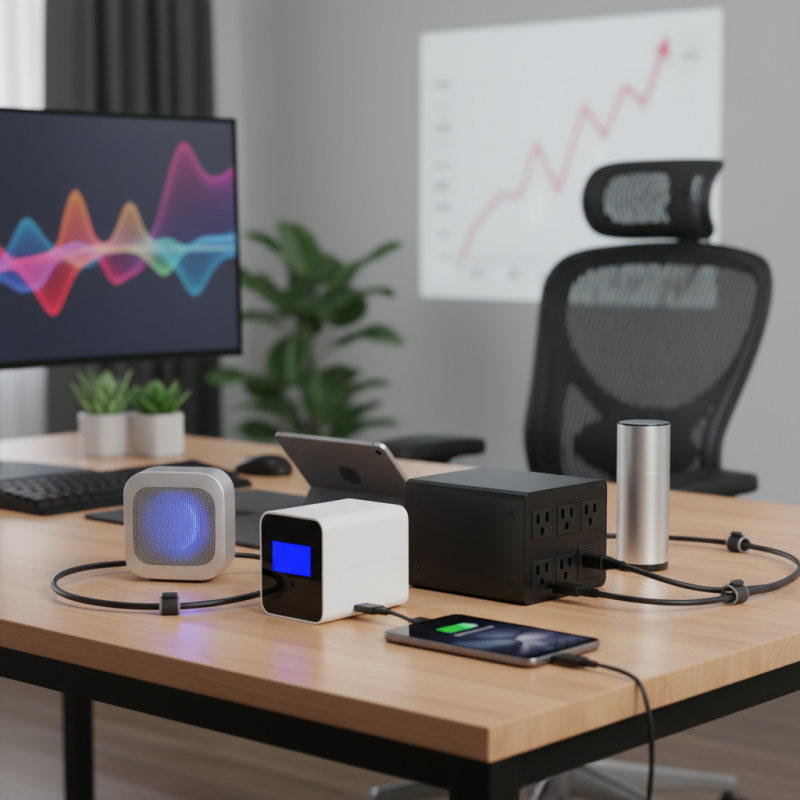
Understanding 12v Battery UPS: An Overview of Types and Features
When choosing a 12v battery UPS, understanding its types and features is vital. There are several UPS types available. A standby UPS is common for basic protection. It switches to battery power during outages. An online UPS is more advanced. It provides continuous power without interruption. This type is ideal for sensitive equipment.
Consider battery capacity carefully. The capacity determines the runtime of your UPS. A larger capacity allows for extended use during outages. However, larger batteries can be bulkier and more expensive. Be sure to assess your actual power needs. This calculation can help you avoid overpaying for unnecessary features.
**Tips for selection:** Evaluate how much power you need for your devices. List them out. Check the wattage and total voltage requirements. Make sure the UPS you choose can handle it. Additionally, think about the environment where it will be used. A cooling space can prolong battery life. Finally, regular maintenance plays a key role in the UPS’s reliability. Battery health degrades over time. Always monitor battery performance for optimal functioning.
Assessing Your Power Needs: Calculating Load Requirements for UPS
When selecting a 12V battery UPS, understanding your power needs is crucial. Assessing load requirements starts with identifying the devices you plan to connect. For example, a modem and router might require 30 watts, while a gaming console could need up to 300 watts. Tally these figures to determine your total power consumption.
Next, consider the duration you want your UPS to support these devices. If you need coverage for two hours during an outage, a UPS must supply enough energy. This means multiplying your load by the desired runtime. However, battery efficiency varies. So, it's wise to add a buffer to your calculations.
Many users overlook peak power needs. Some devices, like printers or refrigerators, draw more power at startup. This spike can strain your UPS if not accounted for. In these cases, it’s essential to choose a UPS that supports higher initial loads. Paying attention to these details can prevent costly errors and ensure reliable backup power.
Key Factors to Consider: Size, Capacity, and Runtime of UPS Systems
When selecting a 12v battery UPS, size is a crucial factor. It determines where you can place the unit. A compact unit might fit better in tight spaces. However, a larger system can provide more capacity. Balancing size and capacity can be challenging. For small devices, a smaller UPS might suffice. But for larger systems, consider a robust option.
Capacity directly affects runtime. A UPS with higher capacity can support more devices or provide power longer during outages. It’s essential to calculate the power requirements of your devices. This ensures the UPS can handle the load efficiently. Many users underestimate their needs. This often leads to frustration when devices shut down unexpectedly.
Runtime is another vital factor. It varies based on the load placed on the UPS. A lightweight setup may run longer than a heavily loaded one. Understanding your essential devices helps pinpoint the right runtime. Some users struggle with this aspect. Without careful planning, they may end up with inadequate backup power. Always evaluate your actual needs before making a decision.
Battery Capacity and Runtime Comparison for 12V UPS Systems
Evaluating Brand Reliability: Trusted Manufacturers in the UPS Market
When selecting a 12v UPS system, brand reliability is crucial. A dependable manufacturer often indicates quality and performance. Look for companies with a strong track record in the UPS market. Research their history and customer feedback. This can reveal a lot about their products' durability and effectiveness.
Many users prioritize features like surge protection and battery lifespan. However, performance data over time can be more telling. Seek brands that have a consistent reputation for reliability across various models. Review independent assessments and industry ratings. These can help paint a clearer picture of what to expect.
It's essential to understand that not all brands are created equal. Some may promise high performance but fail to deliver. Knowing this can save you time and money. Consider both technical specifications and user reports. This helps in making an informed choice that truly meets your needs.
Cost vs. Value: Choosing the Right UPS Within Your Budget
When choosing a 12v battery UPS, the balance between cost and value is crucial. A budget-friendly unit may save money upfront but might not deliver the performance needed. According to recent industry reports, up to 30% of low-cost UPS systems fail to provide adequate backup during power outages. This is an important consideration.
Customers often overlook the importance of runtime and capacity. A UPS that is too small may die quickly, leaving devices unprotected. Data shows that a UPS with at least 30 minutes of runtime can be vital for critical equipment. However, such models can come with a higher price tag. For many, it's a dilemma between affordability and reliability.
Evaluating warranty and support is also essential. Cheaper models often come with limited warranty terms. In some cases, they only cover the device for one year. The right investment should provide peace of mind. It’s wise to take time and analyze long-term benefits versus short-term savings.