What is a Heavy Duty Slurry Pump and How Does It Work?
A heavy duty slurry pump is essential in various industrial operations. It is designed to handle abrasive, viscous materials efficiently. According to John Williams, a leading expert in pump technology, "A heavy duty slurry pump must withstand harsh conditions while maintaining high performance." This statement highlights the importance of durability and reliability in these machines.
In many mining and construction applications, these pumps are crucial. They transfer mixtures of water and solid particles effectively. However, choosing the right heavy duty slurry pump can be challenging. Factors such as material compatibility and efficiency must be considered carefully. Many users overlook these details and face operational issues later.
The technology behind a heavy duty slurry pump is impressive but often misunderstood. These pumps use centrifugal force to move slurry. Understanding their construction and operation can prevent costly mistakes. As industries evolve, the demands on these pumps continue to increase. Reflecting on their importance is necessary for successful operations.
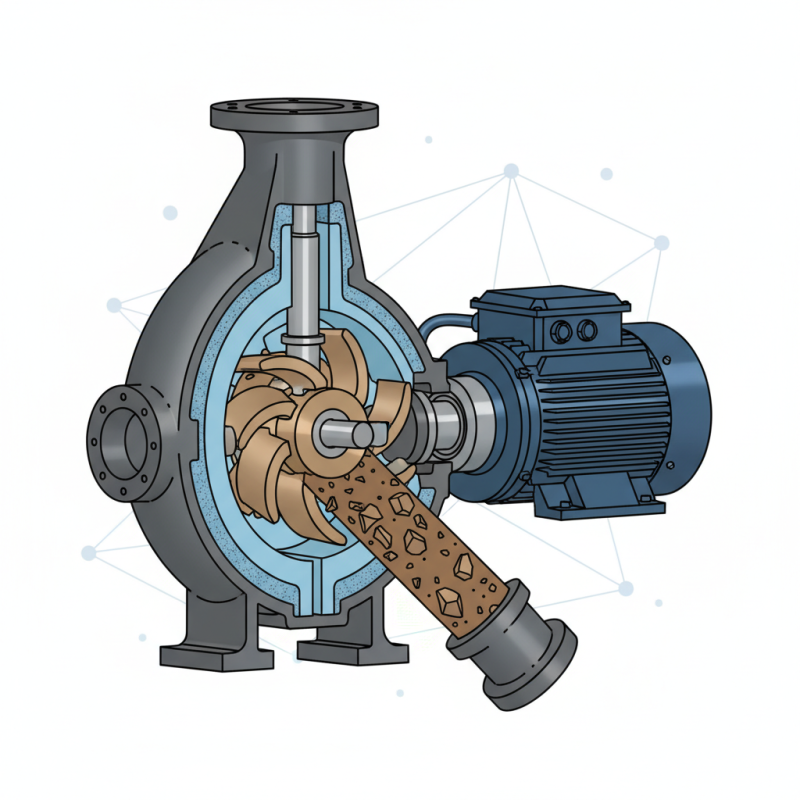
What is a Heavy Duty Slurry Pump?
A heavy-duty slurry pump is a specialized device designed to handle abrasive and viscous materials. These pumps are crucial in industries like mining, construction, and wastewater management. They are built to withstand harsh conditions and transport materials containing solids, slurries, or mixtures effectively.
According to a recent industry report, heavy-duty slurry pumps can manage solid concentrations of up to 70% in some cases. They typically feature robust components made from wear-resistant materials, such as rubber or metal alloys. Their design often includes a wide inlet that minimizes blockages and enhances the flow of thick mixtures. However, not all slurry pumps are equal; some may struggle with high viscosity or large particle sizes.
Understanding how these pumps function is important. They often use centrifugal force to move slurry materials. This action generates pressure, enabling the pump to convey mixtures over considerable distances. Maintenance can sometimes be overlooked, which may lead to decreased efficiency over time. Regular inspections are essential to ensure optimal performance and address wear and tear before it becomes problematic.
Heavy Duty Slurry Pump Performance Comparison
This chart compares the flow rates of different heavy-duty slurry pump models. Each model is designed to handle various slurry types and applications, showcasing their performance in terms of flow rate measured in cubic meters per hour (m³/h).
Key Components of a Heavy Duty Slurry Pump
A heavy duty slurry pump is designed for challenging environments. It handles abrasive liquids and slurries effectively. The key components of these pumps play a crucial role in their performance.
One important component is the impeller. The impeller is responsible for generating flow. It must be robust to resist wear from abrasive materials. The volute casing is another vital part. It helps convert kinetic energy into pressure energy. The design of the casing affects efficiency significantly. A well-designed casing leads to better flow rates.
Tips: Regular maintenance is essential. Check the seals for any leaks. Inspect the impeller for signs of wear. This can prevent costly failures. The pump should also operate at the right speed. Over-speeding can lead to damage over time.
Another critical feature is the shaft. The shaft transmits power from the motor to the impeller. It should be sturdy and resistant to bending. The bearings support the shaft and reduce friction. Choosing high-quality bearings can extend pump life. High wear rates can occur if they are not suitable.
Tips: Monitor the temperature of the bearings. An increase may indicate a problem. Also, ensure that the alignment of the pump is correct. Misalignment can lead to early wear. Always consult manuals for best practices.
How Heavy Duty Slurry Pumps Operate Mechanically
Heavy-duty slurry pumps play a crucial role in various industries. They are designed to move thick, abrasive slurries that could damage regular pumps. Understanding their operation can reveal interesting insights into their mechanical design.
These pumps use a rotating impeller to create suction. When the impeller spins, it draws the slurry into the pump. The design of the impeller is critical. It needs to handle particles of different sizes without clogging. The pump casing must also be robust. It usually features heavy-duty materials to withstand wear.
One key aspect is the seal system. Seals prevent leakage, but they can wear out over time. Regular maintenance is necessary to avoid failures. The motor drives the impeller, and its power affects the pump's efficiency. Some operators overlook energy consumption, which can lead to increased costs. Monitoring these facets can lead to better performance and longevity.
Applications of Heavy Duty Slurry Pumps in Various Industries
Heavy duty slurry pumps are essential in various industries. They handle materials like sand, coal, and minerals. These pumps are designed to manage thick mixtures. They are effective in transporting abrasive slurries. Their robust construction allows for durability in harsh conditions.
In mining, these pumps play a crucial role. They transport slurry from mines to processing plants. This process can be highly demanding. A failure in the pump can disrupt operations. In the construction sector, they help manage muddy water at construction sites. This function is vital during heavy rain.
Wastewater treatment plants also rely on these pumps. They move sludge efficiently, ensuring proper treatment. However, maintaining heavy duty slurry pumps can be challenging. Regular checks are needed to avoid wear and tear. Overhauls may be required more frequently than expected, which can be costly. It's essential for operators to stay vigilant.
What is a Heavy Duty Slurry Pump and How Does It Work? - Applications of Heavy Duty Slurry Pumps in Various Industries
| Industry | Application | Pump Type | Head (m) | Flow Rate (m³/h) |
| Mining | Transporting slurry of minerals and tailings | Centrifugal Slurry Pump | 20 | 300 |
| Construction | Removing dug-out mud and water | Submersible Slurry Pump | 15 | 200 |
| Wastewater Treatment | Pumping of activated sludge and biowastes | Vertical Slurry Pump | 25 | 150 |
| Chemical Processing | Handling aggressive and corrosive slurry | Lined Slurry Pump | 30 | 250 |
| Oil & Gas | Transporting drilling mud and slurries | Heavy Duty Slurry Pump | 40 | 350 |
Maintenance Tips for Ensuring Optimal Performance of Slurry Pumps
Slurry pumps play a crucial role in many industrial applications, handling thick, often abrasive mixtures. Regular maintenance ensures they operate efficiently. Wear and tear can lead to costly breakdowns and unplanned downtime. Data shows that poorly maintained pumps can suffer a performance drop of up to 30%.
One key tip is to regularly inspect seals and bearings. Over time, these components wear out, causing leaks and inefficiencies. A small leak can mean big problems.
Moreover, monitoring the pump's temperature is essential. If it exceeds typical levels, it may indicate an underlying issue.
Cleaning out the pump regularly is vital. Slurry buildup can hinder performance and increase wear. This simple action can extend the pump’s lifespan significantly. Additionally, always check for any unusual vibrations. They might signal misalignment or wear on internal parts. Regular checks and timely intervention can prevent bigger headaches down the road.