Essential Tips for Your Cabin Filter Maintenance What You Need to Know?
Maintaining your car's Cabin Filter is crucial for a comfortable driving experience. The cabin filter plays a vital role in ensuring clean air circulation inside your vehicle. It traps dust, pollen, and other pollutants, safeguarding your health during your travels. Neglecting this small component can lead to poor air quality and a stale environment.
Cabin filter maintenance is often overlooked. Many drivers are unaware of how regularly they should replace it. A clogged filter can restrict airflow, reducing the efficiency of your air conditioning. This can lead to unpleasant odors and even increased fuel consumption. Check your owner's manual for the recommended replacement interval.
Remember, a clean cabin filter can significantly enhance your driving comfort. However, some may find it challenging to check or replace it themselves. Fear of breaking something can hold you back. It’s okay to admit that not everyone is handy with car maintenance. Seeking professional help can ensure that your filter is in optimal condition, making your journeys more enjoyable.
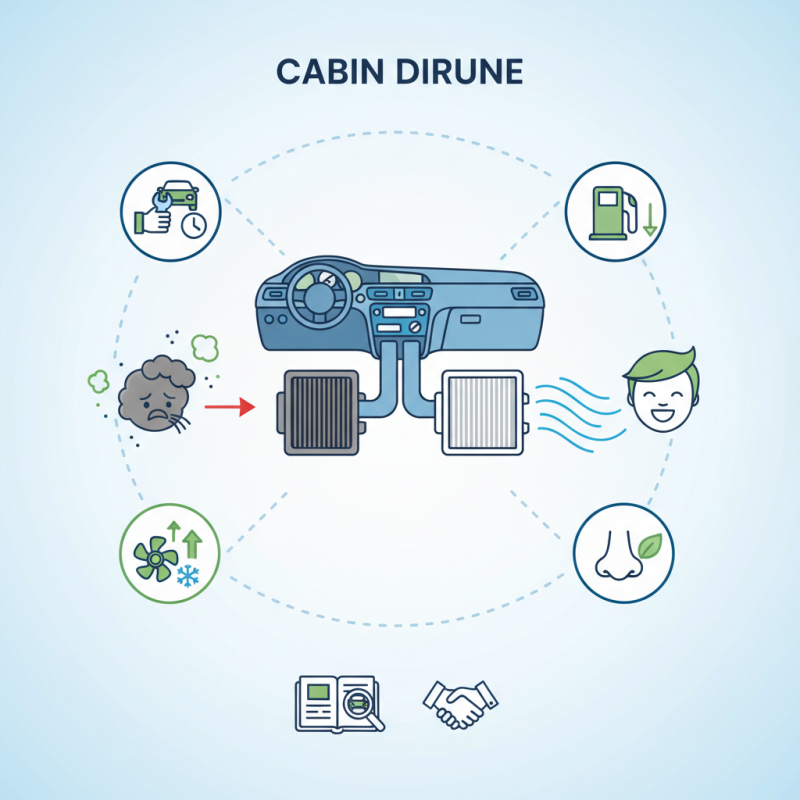
Understanding the Role of Cabin Filters in Vehicle Maintenance
Cabin filters play a crucial role in vehicle maintenance. They trap pollutants, dust, and allergens, ensuring clean air for passengers. A clean cabin filter can improve air quality significantly. According to the Car Care Council, about 80% of drivers neglect filter maintenance. This oversight can lead to reduced passenger comfort and even respiratory issues.
Tips: Regular checks are essential. A good rule is to inspect your filter every 12,000 miles. If you drive in heavy traffic or dusty areas, consider checking more often.
Besides ensuring comfort, cabin filters influence your vehicle's air conditioning efficiency. A clogged filter can strain the system, causing higher fuel consumption. The Department of Energy states that proper vehicle maintenance can improve fuel efficiency by up to 15%. It's clear that neglecting this small component can lead to bigger problems down the road.
Tips: Changing the cabin filter is a simple task. Most filters slide out easily. Regular replacement can save money in the long run. Always refer to your vehicle’s manual for specific recommendations.
Signs Your Cabin Filter Needs Replacement
Cabin filters play a crucial role in your vehicle's air quality. When they become clogged, they can significantly affect your driving experience. There are clear signs that suggest your cabin filter may need replacement. If you notice a decline in air flow from your vents or strange odors while the air is on, these are red flags. According to industry data, nearly 15% of drivers ignore warning signs until significant issues arise.
It’s essential to check your cabin filter regularly. A good rule of thumb is to inspect it every 12,000 miles or once a year, especially if you often drive in dusty or polluted environments. Remember, a clean filter can enhance your vehicle’s efficiency by up to 10%.
Look out for other symptoms, too. Increased dust inside your car or foggy windows may signal a failing cabin filter. If passengers complain about allergies, the filter could be to blame. Address these issues promptly. Timely maintenance keeps your air clean and your travels comfortable.
Step-by-Step Guide to Cabin Filter Inspection
Maintaining your cabin filter is crucial for a comfortable driving experience. An inspection is straightforward but often overlooked. Start by locating the cabin filter, usually found behind the glove compartment or under the dashboard. Open the compartment carefully. Check for any visible debris or damage. Dust and allergens can build up quickly.
Next, remove the filter and examine it closely. Look for dirt or blockages. If the filter is excessively dirty, it’s time for a change. Sometimes, you might notice an unpleasant odor. That’s a sign your filter needs attention. Keep a flashlight handy for better visibility.
After inspection, it’s vital to reinstall or replace the filter carefully. Misalignment can lead to airflow issues. Follow your vehicle's manual for specifics. If unsure, consult with a professional. Regular checks are essential, even if you think it looks fine. It’s easy to forget, but neglecting it can lead to problems down the road. Each step might seem minor, yet they collectively enhance your driving comfort.
Tips for Choosing the Right Cabin Filter
Choosing the right cabin filter is crucial for your vehicle’s air quality. A clean cabin filter traps dust, pollen, and other pollutants. According to the Environmental Protection Agency (EPA), indoor air can be more polluted than outdoor air. Thus, the cabin air quality should not be overlooked.
When selecting a cabin filter, consider the filtration material. Particulate filters capture larger particles, while activated carbon filters reduce odors. A study by the International Journal of Environmental Research found that multi-layered filters effectively reduce harmful particles by over 90%. This is important for those with allergies or respiratory issues.
Another factor is compatibility with your vehicle. Not all filters fit every car. Verify specifications before purchase. Many consumers choose filters based on price, but a lower price can mean lower quality. It’s important to balance cost with performance. Regular maintenance is also key. Change your filter every 12,000 to 15,000 miles or as per your vehicle’s manual. Not doing so may lead to a decrease in air quality and efficiency.
Essential Tips for Your Cabin Filter Maintenance What You Need to Know? - Tips for Choosing the Right Cabin Filter
| Tip Number | Maintenance Tip | Recommended Frequency | Signs of a Dirty Filter | Choosing the Right Filter Type |
| 1 | Inspect the cabin filter regularly. | Every 6 months | Reduced airflow, musty odors | Check specifications for your vehicle. |
| 2 | Replace filter with a high-efficiency type. | Once a year | Dust accumulation on dashboard | Consider HEPA filters for better air quality. |
| 3 | Clean the filter if reusable. | Every 3 months | Increased allergens in cabin air | Opt for activated carbon filters for odor removal. |
| 4 | Check for damage or tears. | At each oil change | Strange noises while driving | Verify filter fitment and compatibility. |
| 5 | Keep HVAC system clean. | Annually | Unpleasant smells, poor air quality | Research on filter material for efficiency. |
Best Practices for Regular Cabin Filter Maintenance
Maintaining your cabin filter is essential for clean air quality in your vehicle. According to the Environmental Protection Agency, indoor air can be two to five times more polluted than outdoor air. A clean cabin filter helps to reduce allergens, dust, and pollutants.
Tip: Check your cabin filter every 15,000 to 20,000 miles. If you live in a dusty area, do it more often. Dirty filters can restrict airflow, leading to a decrease in comfort and efficiency.
Many drivers ignore this simple task. A recent study suggested that over 40% of vehicles on the road have clogged cabin filters. This can contribute to headaches and respiratory issues. Remember, a small effort can lead to significant health benefits.
Tip: Replace the cabin filter as recommended. This is usually every 12 months. An old filter can't trap particles effectively, letting harmful dust circulate inside your car. Ensure you are aware of your vehicle’s specific requirements, as this can vary significantly.
Essential Tips for Your Cabin Filter Maintenance
This chart illustrates the frequency of cabin filter replacement recommended for various driving conditions. Regular maintenance ensures optimal air quality inside the vehicle.