What is Electric Resistance Heating Pipe and its Applications?
Electric Resistance Heating Pipes (ERHP) have revolutionized heating systems across various industries. Dr. Emily Thompson, a leading expert in thermal engineering, states, "Electric Resistance Heating Pipes offer a reliable and efficient solution for heating applications." Their application ranges from residential heating to industrial processes.
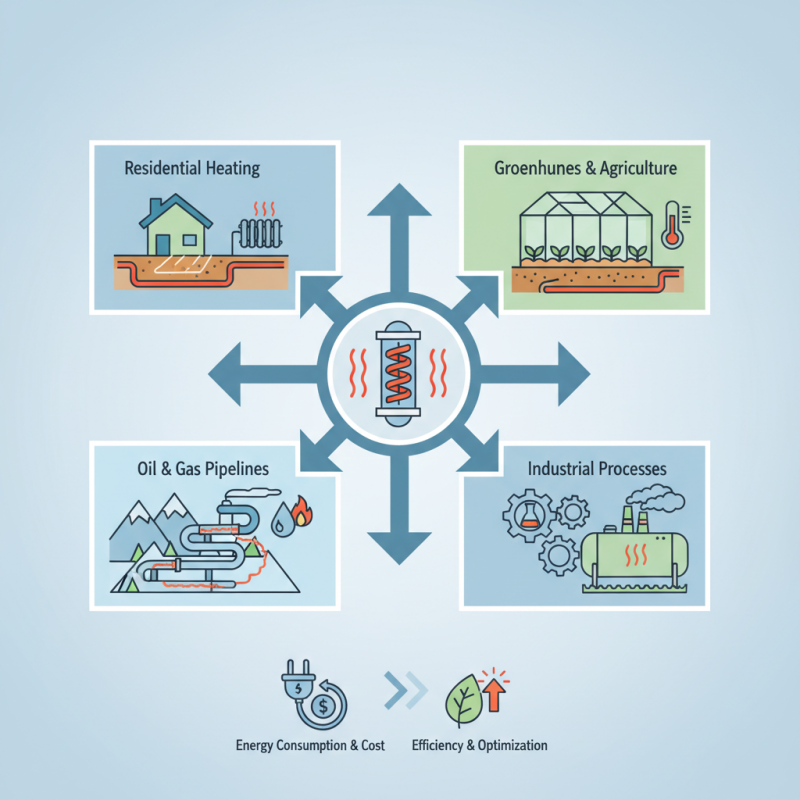
These pipes utilize electrical resistance to generate heat, making them highly effective. They are commonly used in places like greenhouses, where consistent temperature control is vital. Additionally, ERHP is vital in oil and gas pipelines, ensuring safe operation in cold conditions.
Despite their advantages, potential drawbacks exist. The energy consumption of Electric Resistance Heating Pipes can be significant. This raises concerns about efficiency and cost-effectiveness in some scenarios. Understanding these nuances is essential for anyone considering their use. Balancing efficiency with application specifics can lead to better outcomes.
What is Electric Resistance Heating Pipe and How Does It Work?
Electric resistance heating pipes are essential components in various heating systems. They work by converting electrical energy into heat through resistive materials. When electricity flows through these materials, they generate heat, which can then be transferred to other substances, like water or air. This principle is rooted in Ohm's Law, where resistance in the wire creates heat due to the current flow. The effectiveness of these systems often depends on the material used and the design.
Applications of electric resistance heating pipes are diverse. They can be found in residential heating systems, industrial processes, and even in vehicles. In homes, they may be used in underfloor heating, providing a comfortable ambient temperature. In industrial settings, they are employed for heat tracing, preventing pipes from freezing. While these systems offer significant advantages, they can also have downsides. Efficiency can drop when the demand for heat fluctuates, and energy costs may increase. This necessitates careful consideration of energy use and monitoring systems. Balancing efficiency and comfort remains a challenge in optimizing these heating solutions.
What is Electric Resistance Heating Pipe and its Applications?
| Application Area | Description | Typical Temperature Range (°C) | Energy Efficiency (%) | Installation Type |
| Residential Heating | Used for space heating in homes through baseboard or radiant floor heating. | 20 - 80 | 95 | Fixed |
| Industrial Processes | Applied in manufacturing processes requiring precise heating for materials. | 150 - 600 | 90 | Modular |
| Aquaculture | Used for maintaining optimal water temperatures in fish farming. | 10 - 30 | 92 | Portable |
| Snow Melting Systems | Installed in pavements and driveways to melt snow and ice. | 0 - 10 | 85 | Embedded |
| Food Processing | Used for heating liquids and food products during processing. | 40 - 150 | 88 | Stationary |
Key Components of Electric Resistance Heating Pipes Explained
Electric resistance heating pipes are designed for various heating applications. The key components of these pipes include a heating element, insulation material, and a protective outer sheath. The heating element, typically made of metal or alloys, converts electrical energy into heat. This process relies on the resistance of the material, which generates warmth when electricity flows through it.
Insulation is crucial for efficiency. It minimizes heat loss and ensures safety. High-quality insulation materials help maintain optimal temperature levels. The protective outer sheath, often constructed from durable materials, safeguards the internal components. It also provides additional thermal insulation, enhancing the overall performance.
Failure to select appropriate components can lead to inefficiency. Users sometimes overlook the importance of proper insulation thickness, leading to increased energy costs. Additionally, inadequate protective sheathing can result in premature wear and malfunction. Such oversights highlight the need for careful consideration during the design and application of electric resistance heating pipes.
Benefits of Using Electric Resistance Heating in Various Industries
Electric resistance heating pipes are increasingly popular in many industries. They convert electrical energy into heat through resistance. This method is efficient and straightforward, making it suitable for various applications. One key benefit is precise temperature control. Many industries require specific thermal conditions for optimal performance. Electric resistance heating allows for accurate adjustments, which enhances productivity.
In sectors like manufacturing and food processing, this technology offers significant advantages. For instance, in the food industry, it helps maintain consistent cooking temperatures. This consistency leads to better food quality and safety. The ease of installation adds to its appeal. However, the initial investment can be a challenge for smaller businesses.
Another benefit is the maintenance aspect. Electric heating systems generally require less upkeep than traditional methods. They do not need fuel storage or complex venting systems. As a result, businesses can reduce operational costs over time. Nonetheless, there are considerations regarding energy sources. Sustainability may be a concern if the electricity is not sourced responsibly. Understanding these factors is crucial for informed decision-making.
Common Applications of Electric Resistance Heating Pipes in HVAC Systems
Electric resistance heating pipes are integral in HVAC systems. They work by converting electric energy into heat through resistance. This type of heating is efficient for various applications, including space heating and industrial processes.
In residential settings, these pipes can provide warmth directly to different rooms. They are often installed in floors, walls, or ceilings. This ensures an even distribution of heat, enhancing comfort. Many homeowners appreciate their reliability. However, it is essential to ensure proper installation. Poorly placed pipes may lead to uneven heating or increased energy costs.
In industrial applications, electric resistance heating pipes are used for process heating. They can maintain specific temperatures for manufacturing processes or preheat materials. However, over-reliance on this system may present challenges. If not monitored closely, it can cause overheating and potential damage. Thus, regular maintenance is crucial to prevent failures and ensure efficiency.
Performance Metrics and Efficiency Standards for Electric Resistance Heating
Electric resistance heating pipes are crucial in various heating applications. They convert electrical energy into heat through resistance. This process is often used in residential and industrial settings. The efficiency of these heating systems largely depends on their design and materials.
Performance metrics for these heating pipes include heat output, energy consumption, and temperature control. A key efficiency standard is the conversion rate of electrical energy to thermal energy. Higher efficiency leads to lower energy costs. Users should monitor their systems regularly to ensure optimal performance.
Tips: Choose the right size for your heating needs. An oversized pipe may lead to unnecessary energy waste. Regular maintenance can prevent unforeseen breakdowns and improve longevity. It's vital to consult with professionals for system designs aligned with specific applications. Keep an eye on emerging standards in energy efficiency. These developments could provide insights for better performance.