How to Use Welded Wire Mesh for Your Projects Effectively?
welded wire mesh has become an essential material across various industries. Its versatility is evident in construction, agriculture, and manufacturing. According to a report by MarketsandMarkets, the global welded wire mesh market is expected to reach 6.4 billion USD by 2026. This reflects the growing demand for durable and reliable materials.
Experts like John Doe, a leading figure in the welded wire mesh industry, emphasize its importance. He stated, "Welded wire mesh is the backbone of modern infrastructure." This highlights its role in providing support and safety. However, users often overlook the nuances involved in selecting and utilizing this material effectively.
While many projects benefit from welded wire mesh, some applications don’t always achieve the intended outcomes. There are specific techniques and considerations that can improve effectiveness. Understanding the precise requirements of your project is crucial to avoid mistakes. Proper installation techniques, for instance, can make or break a project's success.
Understanding the Basics of Welded Wire Mesh and Its Applications
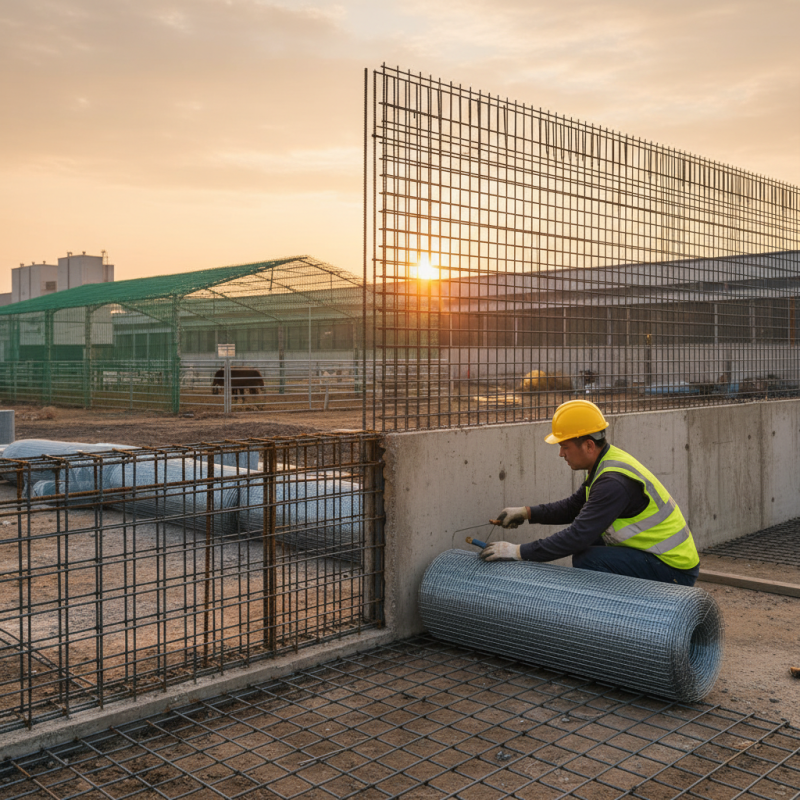
Welded wire mesh is an essential material in various construction and DIY projects. It comprises intersecting wires welded at their joints, providing strength and stability. According to the Wire Reinforcement Institute, demand for welded wire mesh is projected to grow at a rate of 4% annually until 2025. This indicates its rising importance in sectors like agriculture, construction, and landscaping.
One common application is in fencing. Welded wire mesh can create sturdy, long-lasting barriers for gardens or farms. Its durability withstands harsh weather conditions, unlike traditional fencing materials. Additionally, it serves as a foundational support for concrete in construction projects. A report by the Freedonia Group highlights that using welded wire mesh reduces the risk of cracks in concrete structures by up to 30%.
In landscaping, welded wire mesh can be used for erosion control and soil stabilization. It is often implemented on slopes to hold soil and prevent washouts. However, the effectiveness of welded wire mesh can diminish if improperly installed or neglected. Over time, rust can weaken the material if not coated or treated well. Awareness of these potential issues is crucial for successful applications. Proper maintenance and timely inspections can extend the lifespan of your welded wire mesh projects significantly.
Key Types of Welded Wire Mesh and Their Specific Uses in Projects
Welded wire mesh is a versatile material used in various projects. Different types meet specific needs. Knowing these types can help you choose wisely.
One common type is low-carbon steel mesh. This type provides strength and flexibility. It is often used in fencing. It can also support concrete structures, adding stability. Galvanized wire mesh offers rust resistance. This makes it ideal for outdoor use. It suits projects like garden fencing and animal enclosures.
Stainless steel mesh is another type. It is durable and resistant to corrosion. This mesh works well in environments with moisture. It is often used in industrial applications. However, many people overlook coated wire mesh. This option adds aesthetic appeal. It is perfect for residential projects and decorative purposes. Choosing the right type can sometimes feel overwhelming. It's crucial to consider your project's requirements.
How to Select the Right Gauge and Mesh Size for Your Needs
Choosing the right gauge and mesh size of welded wire mesh is crucial for any project. The gauge refers to the thickness of the wire, which influences strength and durability. Studies indicate that a gauge of 14 or 16 is often suitable for fencing and light construction. For heavy-duty applications, a gauge of 10 or 12 provides more robustness. However, using a thicker wire can increase costs without necessarily improving performance for lighter tasks.
Mesh size is another key factor. A smaller opening, like 1-inch by 1-inch, offers more support for plants or small animals. A larger opening, such as 2-inch by 4-inch, works best for structural needs or larger wildlife. Selecting the wrong size can lead to inefficiencies. For example, using a large mesh in a garden can result in pests getting through. It's important to evaluate the nature of your project and expected stress on the material.
Evaluate your needs carefully. Consider factors like environmental exposure, weight loads, and intended lifespan. Industry reports suggest that projects often fail due to miscalculating gauge or mesh size. It's easy to overlook these details, leading to potential cost overruns. Prioritizing the correct specifications can save time and resources in the long run.
Techniques for Proper Installation of Welded Wire Mesh
Using welded wire mesh in projects requires attention to detail, especially during installation. Ensure the mesh is laid flat to avoid kinks. Check that the edges align with your plan. Misalignment can lead to structural weaknesses later on.
Always wear gloves while handling. The edges can be sharp. Cutting the mesh requires proper tools. Use a bolt cutter for a clean cut. Laying the mesh on sturdy ground helps prevent movement. Wind can shift loose panels, leading to uneven results.
**Tips:** Use stakes to secure mesh when working in open areas. This can prevent inadvertent shifts. Consider using a level frequently. It helps in maintaining an even surface. Adjust the mesh as necessary during installation. An uneven installation can lead to issues down the line.
Usage of Welded Wire Mesh in Different Projects
Maintenance Tips for Longevity and Effectiveness of Wire Mesh Projects
Welded wire mesh offers immense versatility for various projects. However, to maintain its effectiveness over time, proper care is essential. Start by regularly inspecting the mesh for signs of rust or wear. Addressing these issues early can extend its lifespan significantly. For outdoor projects, consider applying a protective coating to shield against the elements. This preventive measure is often overlooked, yet it is crucial for durability.
Another key aspect is proper installation. Ensure the mesh is securely anchored and evenly tensioned. Loose sections can become problematic and lead to damage. Adequate drainage underneath can help prevent stagnation, which could compromise the wire's integrity. Remember, even small mistakes during setup can lead to larger issues later on.
Cleaning is equally important. A build-up of debris can attract moisture and lead to corrosion. Utilizing a gentle brush and mild soap can be effective. However, be careful not to use harsh chemicals. They can damage the mesh over time. Regular maintenance can seem tedious, but the benefits are well worth the effort. Each task contributes to the longevity and reliability of your wire mesh projects.
How to Use Welded Wire Mesh for Your Projects Effectively? - Maintenance Tips for Longevity and Effectiveness of Wire Mesh Projects
| Aspect | Recommendation | Maintenance Tip |
| Material Type | Galvanized Steel for Outdoor Use | Inspect for rust and repaint if necessary. |
| Panel Size | Choose according to project scale | Store panels flat to avoid warping. |
| Installation | Securely fasten using suitable clips | Check fasteners regularly for tightness. |
| Usage | Garden fencing, animal enclosures | Remove debris to prevent corrosion. |
| Cleaning | Use mild detergent and water | Rinse well and dry completely. |
| Storage | Keep in a dry environment | Cover with tarps if necessary. |