What is a Double Ended Dowel Pin and How to Choose One?
In the world of woodworking and metalworking, the Double-Ended Dowel Pin is quite essential. This versatile fastener is used widely due to its unique design with tapered ends. These pins provide stability and alignment, making them invaluable in various applications. Choosing the right Double-Ended Dowel Pin can significantly impact the quality and durability of a project.
Understanding the factors influencing selection is crucial. Material, size, and application make a difference in performance. A mismatch can lead to failure, which is a mistake that should be avoided. Considering these aspects can enhance construction quality.
While many believe selecting a Double-Ended Dowel Pin is straightforward, it often requires thoughtful consideration. Overlooking details can result in unsatisfactory outcomes. Thus, gaining insights into how to choose the right pin is key to success in joining components. The right choice can elevate a project, while the wrong one can diminish its integrity.
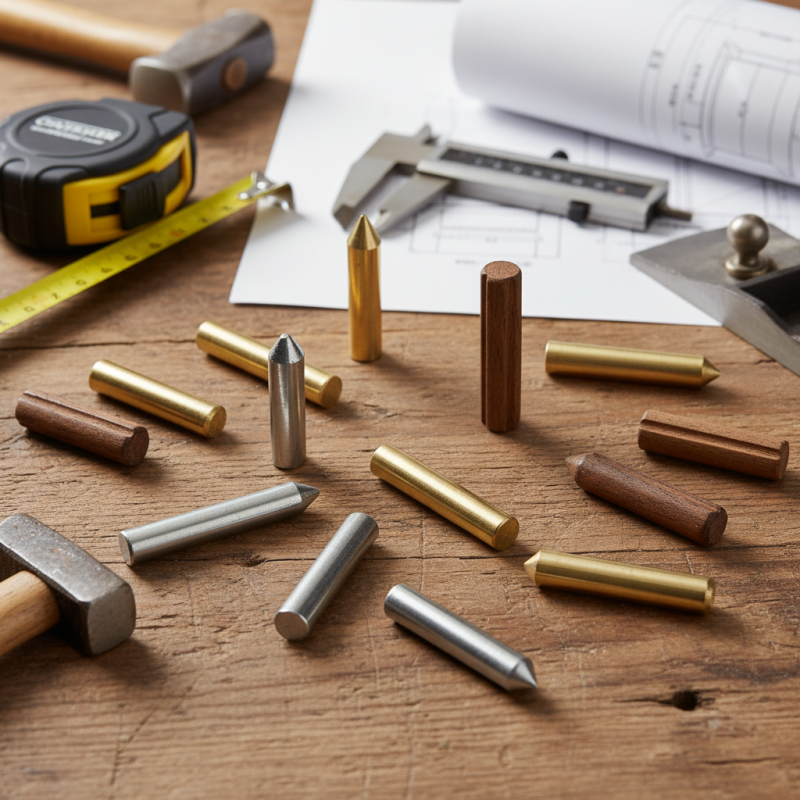
What is a Double Ended Dowel Pin and Its Uses in Manufacturing?
Double-ended dowel pins are essential fasteners in manufacturing. They consist of a cylindrical body with a pin at each end. These pins provide precise alignment for components during assembly. Their dual ends allow for versatile applications, making them ideal for various projects.
In manufacturing, these dowel pins are often used to join two parts together. Their accuracy delivers consistent results. They help in maintaining a tight fit between components, which is crucial for stability. However, the effectiveness of dowel pins can vary based on the materials used. It's important to select the right type for the task at hand.
Choosing the appropriate dowel pin involves considering several factors. The diameter and length must match your project's specifications. Material also plays a role; steel is strong, while plastic is lightweight. There is no one-size-fits-all solution. Some applications might require a more flexible option. Proper assessment of your needs ensures better results in assembly.
Key Features and Specifications of Double Ended Dowel Pins
Double ended dowel pins are essential components in various assembly and alignment applications. They consist of two ends that are threaded or smooth, allowing for secure fastening. The material choice is crucial; most pins are made from stainless steel, ensuring resistance to corrosion and wear. Notably, the tensile strength of stainless steel dowel pins ranges from 170,000 to 200,000 PSI, making them robust for high-stress environments.
When selecting a double ended dowel pin, consider key specifications such as diameter, length, and tolerance. Standard lengths often range from 1 inch to 5 inches, with diameters typically between 1/8 inch and 1 inch. The tolerance levels determine how closely the pin fits into the drilled holes. For instance, a tight fit usually requires a tolerance of +/- 0.005 inches. A loose fit, on the other hand, may leave room for misalignment, reducing overall effectiveness.
Industry reports indicate a growing demand for high-precision dowel pins, particularly in automotive and aerospace sectors. These industries prefer dowel pins with higher dimensional accuracy, as even minor deviations can lead to significant issues in assembly. However, not all manufacturers meet these high standards, leading to varying quality in the market. Selecting a reliable supplier will ensure the integrity and longevity of the dowel pins used in critical applications.
What is a Double Ended Dowel Pin and How to Choose One? - Key Features and Specifications of Double Ended Dowel Pins
| Feature | Specification |
| Material | Steel, Stainless Steel, Brass |
| Size Range | 3mm to 20mm in diameter |
| Length Options | 10mm to 100mm |
| Tolerances | +/- 0.02mm |
| Finish Options | Zinc Plated, Nickel Plated, Black Oxide |
| Application | Furniture Assembly, Machinery Alignment, Structural Applications |
| Load Capacity | Varies by size and material |
| Industry Standards | ISO, ANSI, DIN |
Common Materials Used for Double Ended Dowel Pins in Industry
When considering double-ended dowel pins, material choice is crucial. Common options include steel, stainless steel, plastic, and aluminum. Each material presents unique benefits and limitations. For instance, steel pins offer strength and durability, making them suitable for heavy-load applications. However, they may not be ideal in corrosive environments. In contrast, stainless steel is resistant to rust and corrosion, which is essential in food and medical industries.
Plastic dowel pins are lighter and often used in applications requiring non-conductive properties. ANCA, a leader in manufacturing, notes that the demand for plastic components has increased by 12% in recent years. Aluminum pins combine lightweight properties with decent strength levels. They are ideal for applications where weight reduction is a priority.
Selecting the right material also depends on the operating conditions. Temperature fluctuations can affect material performance. Each material has specific temperature tolerances, which may not be widely publicized. The final choice should consider not only the environment but also the design requirements. Mistakes in material selection can lead to product failure. Understanding the implications of each choice is vital in achieving reliable results.
How to Select the Right Size and Tolerance for Your Application
When choosing a double ended dowel pin, size and tolerance are crucial. The correct dimensions ensure a snug fit in your application. Measure the hole diameter precisely. For standard applications, common sizes include 1/8 inch and 1/4 inch. However, specific projects may require custom sizes. A small mistake in measurement can lead to improper fitting or structural weaknesses.
Tolerance is equally important. It dictates how much deviation is acceptable in the dowel pin's dimensions. Tight tolerances create a perfect fit, while looser tolerances may allow for easier installation but can compromise strength. The optimal tolerance depends on the application type. For high-stress environments, tighter tolerances are recommended. On the flip side, if your components can accommodate variability, then you could opt for looser specifications.
Pay attention to materials as well. Different materials can behave differently under stress and temperature. Steel pins are strong but may corrode. Stainless steel or plastic may be preferred for other environments. Consider the application’s demands. The right choice enhances durability and performance. Mistakes in selection may lead to rework or failure. Dedication to detail during selection pays off in the long run. Choose wisely, and always re-evaluate your options.
Industry Applications: Where Double Ended Dowel Pins Are Most Effective
Double ended dowel pins are versatile fasteners commonly used in various industries. Their structure allows for easy alignment and stability in assemblies. These pins are particularly effective in woodworking, metalworking, and machinery. In woodworking, they create strong joints between two pieces without visible fasteners. This results in smoother finishes and more aesthetically pleasing designs.
In manufacturing, double ended dowel pins promote accuracy. They can align parts for machining or assembly, ensuring precise fitment. For instance, in the automotive industry, reliable alignment is crucial for components like engines and frames. However, precision depends on choosing the right size and material. Not every application requires the same specifications. Understanding your project is vital.
Construction also benefits from these fasteners. They provide support in load-bearing structures, offering stability and strength. Yet, they may not be suitable for every material. Depending on the environment, corrosion-resistant options may be required. Consideration of the project’s demands allows for informed decisions. Balancing strength and flexibility should be a key part of your approach.